
Political Assemblies in the Earlier Middle Ages
Edited by Paul S Barnwell Edited by Marco Mostert

Assembly is a central feature of the European political process between the demise of the Roman Empire and the rise of the bureaucratic state in the twelfth and thirteenth centuries. Historians have often neglected the crucial rule of political assemblies in their own right, concentrating instead on exceptional or extraordinary attention-catching events which occurred at assemblies. Earlier generations of scholars tried to discern in such assemblies the forerunners of later medieval parliaments and other forms of representative government. By contrast, the contributors to this volume present medieval assemblies in their own terms. Were political assemblies in the earlier Middle Ages convened to confirm decisions already taken elsewhere or were they genuinely deliberative? How, if at all, did political assemblies create consensus? At what level(s) of the political and administrative hierarchy were assemblies held, who attended such gatherings, how were they conducted, and where were they held? The main focus is on assemblies of emperors, kings, and princes, and on those of townsfolk, those some more local assemblies are also discussed. The over-arching thematic structure relates to the purposes of assemblies and how they worked, their practical and ritual or symbolic aspects, and the degree to which they were stage-managed, and by whom. The contributors bring archaeological, as well as historical, evidence to bear and present a range of geographical, political and historiographical approaches and traditions. The papers offer a coherent thread of analysis running from the immediate successor states of the Roman Empire to the High Middle Ages and range in geographic coverage from Scandinavia to Catalonia, and from Ireland to Russia.
Assembly is a central feature of the European political process between the demise of the Roman Empire and the rise of the bureaucratic state in the twelfth and thirteenth centuries. Historians have often neglected the crucial rule of political assemblies in their own right, concentrating instead on exceptional or extraordinary attention-catching events which occurred at assemblies. Earlier generations of scholars tried to discern in such assemblies the forerunners of later medieval parliaments and other forms of representative government. By contrast, the contributors to this volume present medieval assemblies in their own terms. Were political assemblies in the earlier Middle Ages convened to confirm decisions already taken elsewhere or were they genuinely deliberative? How, if at all, did political assemblies create consensus? At what level(s) of the political and administrative hierarchy were assemblies held, who attended such gatherings, how were they conducted, and where were they held? The main focus is on assemblies of emperors, kings, and princes, and on those of townsfolk, those some more local assemblies are also discussed. The over-arching thematic structure relates to the purposes of assemblies and how they worked, their practical and ritual or symbolic aspects, and the degree to which they were stage-managed, and by whom. The contributors bring archaeological, as well as historical, evidence to bear and present a range of geographical, political and historiographical approaches and traditions. The papers offer a coherent thread of analysis running from the immediate successor states of the Roman Empire to the High Middle Ages and range in geographic coverage from Scandinavia to Catalonia, and from Ireland to Russia.
- Edited by Paul S Barnwell
- Edited by Marco Mostert
Other Titles in this Series


 The Beginning of Scandinavian Settlement in England
The Viking 'Great Army' and Early Settlers, c. 865-900
Volume 29


 The Crisis of the Oikoumene
The Three Chapters and the Failed Quest for Unity in the Sixth-Century Mediterranean
Volume 14

 Settlements and Strongholds in Early Medieval England
Texts, Landscapes, and Material Culture
Volume 45

 Churches and Social Power in Early Medieval Europe
Integrating Archaeological and Historical Approaches
Volume 42
 Text, Image, Interpretation
Studies in Anglo-Saxon Literature and its Insular Context in Honour of Eamonn O Carragain
Volume 18

 Duelling with the Past
Medieval Authors and the Problem of the Christian Era (c. 990-1135)
Volume 21


 England and the Continent in the Tenth Century
Studies in Honour of Wilhelm Levison (1876-1947)
Volume 37
 Language and History in Viking Age England
Linguistic Relations between Speakers of Old Norse and Old English
Volume 6
 Mosaics of Time, The Latin Chronicle Traditions from the First Century BC to the Sixth Century AD
Volume I, A Historical Introduction to the Chronicle Genre from its Origins to the High Middle Ages
Volume 33


Similar Books
 «Solazoxa festa, stradolze e stracomplia»
Festschrift für Raymund Wilhelm zum 65. Geburtstag mit Beiträgen zu Diskurstraditionen und mittelalterlicher Philologie
Volume 249
 A Collaborative Tapestry in Honour of Shirley Ann Brown / Une fresque brodée en l’honneur de Shirley Ann Brown
The Bayeux Tapestry Seen by her Colleagues and Friends / La Tapisserie de Bayeux vue par ses collègues et amis

 Behind the Scenes of Medieval Roofs
An Overview of the Roofing Systems of Italian Churches
Volume 90

 Cahiers de recherches médiévales et humanistes – Journal of Medieval and Humanistic Studies
Volume 51








 Innovation and Medieval Communities
The Circulation of Ideas and Practices in and out of the Town (1200-1500)
Volume 63
 John Dunstaple Reading Boethius
John Dunstaple’s Annotations to Boethius’s “De institutione musica” in the Manuscript Oxford, Corpus Christi College Library, MS 118

 Medieval Debates on Foreknowledge: Future Contingents, Prophecy, and Divination
Acts of the XXVII Annual Colloquium of the SIEPM, Trento 12-15 September 2023
Volume 31

 Medieval Yeghegis, Armenia
History, Archaeology, Society. Local Multiplicities and Global Connections of a Rural Centre on the Silk Road(s)
 Nicholas of Lyra’s Commentaries on the Gospels of Matthew and Luke
Franciscan Exegesis in a Time of Crisis



 Power and Women in Southeast and Central Europe in Late Medieval and Early Modern Period (1300-1600)
Volume 10

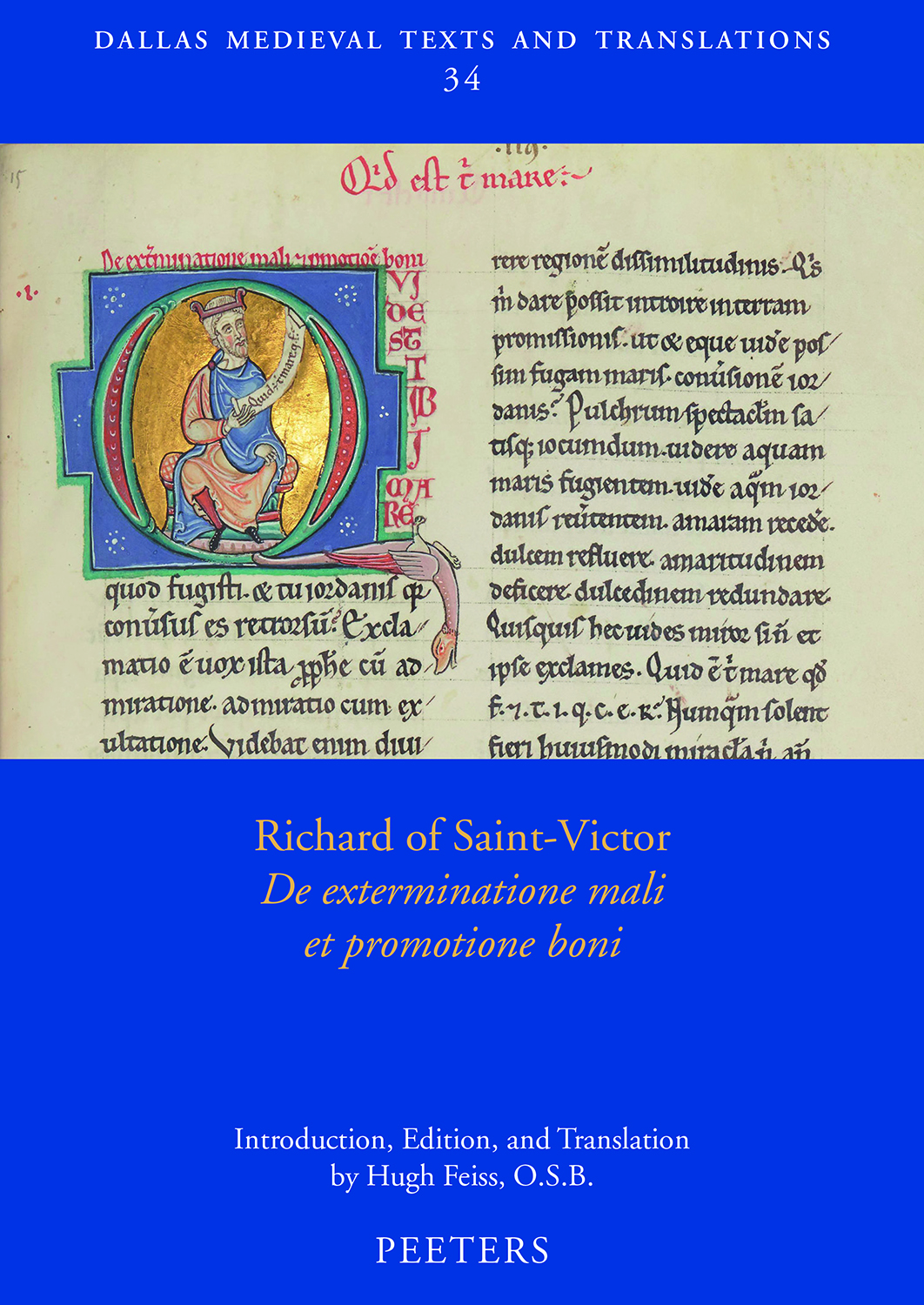

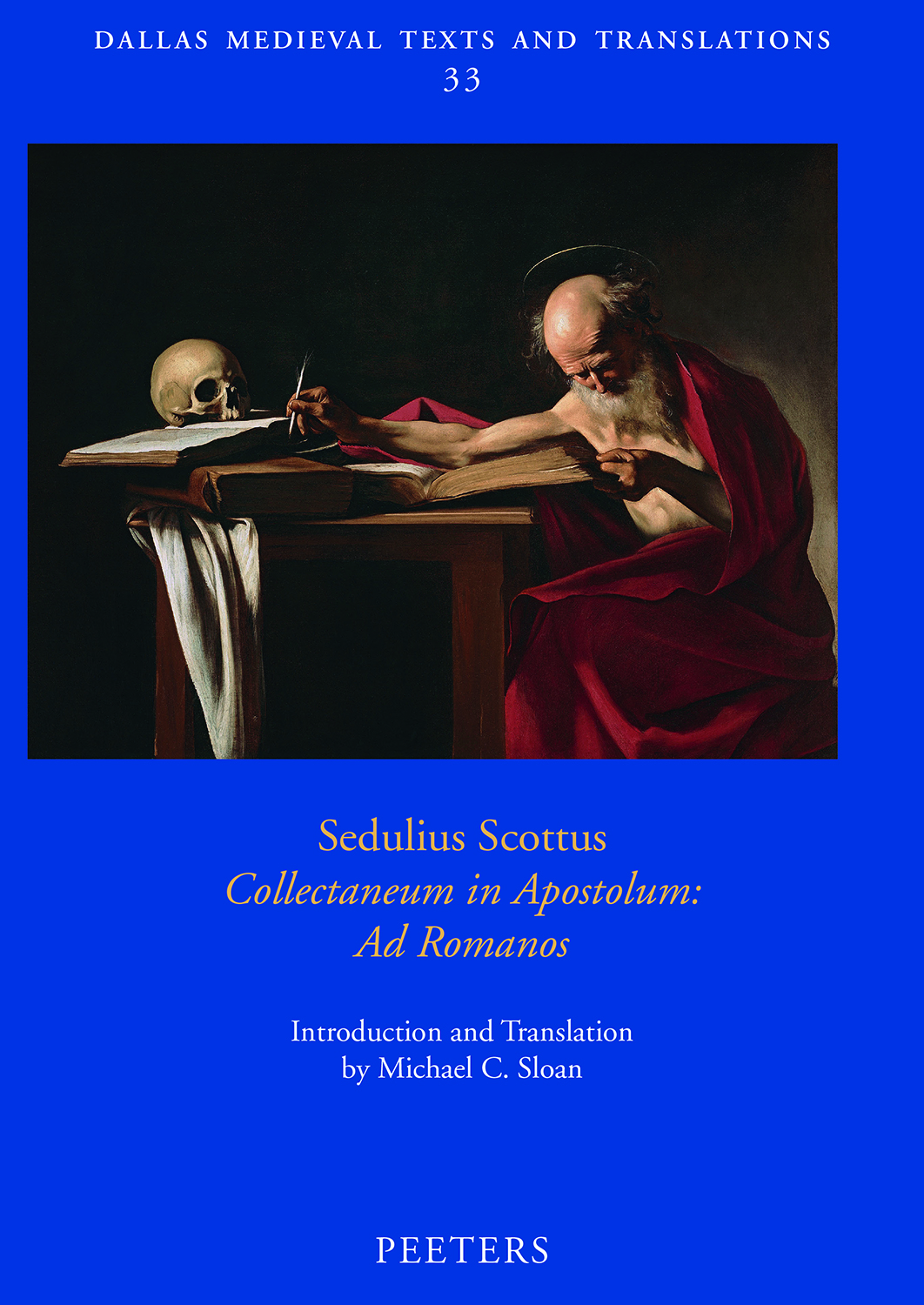


 The Anglo-Norman Bible’s Books of Kings, a Critical Edition
(BL Royal 1 C III, fols 234r-274v)
Volume 37
