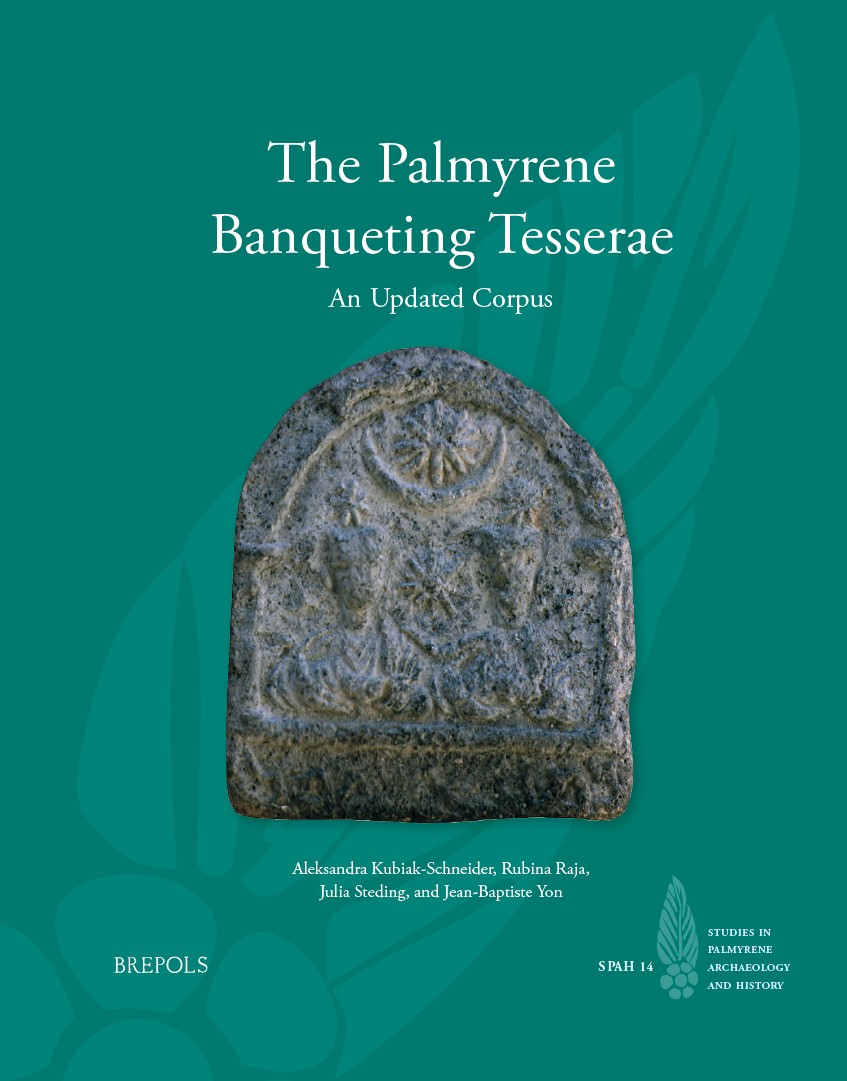
Parasites of the God
Accountants, Financiers and Traders on Hellenistic Delos
By (author) V. Chankowski

Freed from Athenian tutelage in 314 BC, at a time of geopolitical changes that marked the beginnings of the Hellenistic period in the Aegean world, Delos gradually consolidated its political and economic independence. During the third and second centuries, the Delian community redefined the central place that the island had continually occupied in the economic, financial and cultural flows of the Mediterranean. This study, mainly based on epigraphic accounting sources, including more than five hundred accounts and engraved inventories that were displayed in the sanctuary of Apollo, but also on numismatic sources and archaeological remains on the seafront, re-considers the question of Delos’ place in the Hellenistic economy. Far from being an exception to be excluded from serialized comparisons, the Delian evidence is indicative of Aegean economic circumstances and demonstrates the capacities of the Greek communities to adapt to change in troubled times. Behind the numbers cut in stone appear human communities and societies whose economic activities shed fresh light on the history of this part of the Mediterranean.
Freed from Athenian tutelage in 314 BC, at a time of geopolitical changes that marked the beginnings of the Hellenistic period in the Aegean world, Delos gradually consolidated its political and economic independence. During the third and second centuries, the Delian community redefined the central place that the island had continually occupied in the economic, financial and cultural flows of the Mediterranean. This study, mainly based on epigraphic accounting sources, including more than five hundred accounts and engraved inventories that were displayed in the sanctuary of Apollo, but also on numismatic sources and archaeological remains on the seafront, re-considers the question of Delos’ place in the Hellenistic economy. Far from being an exception to be excluded from serialized comparisons, the Delian evidence is indicative of Aegean economic circumstances and demonstrates the capacities of the Greek communities to adapt to change in troubled times. Behind the numbers cut in stone appear human communities and societies whose economic activities shed fresh light on the history of this part of the Mediterranean.
- By (author) V. Chankowski
Other Titles in this Series


 La cité des Delphiens
Une communauté politique à l'ombre d'Apollon (VIe-Ier siecle av. J.-C.)
Volume 416
Similar Books


 Caesar’s Visions and Impact on the Roman Empire
Revisiting the Archaeological and Historical Record of the 40s BC
Volume 2



 Construction Processes in Historical Western Societies (5th c. BC – 10th c. AD)
Case Studies on Techniques, Models, and Costs
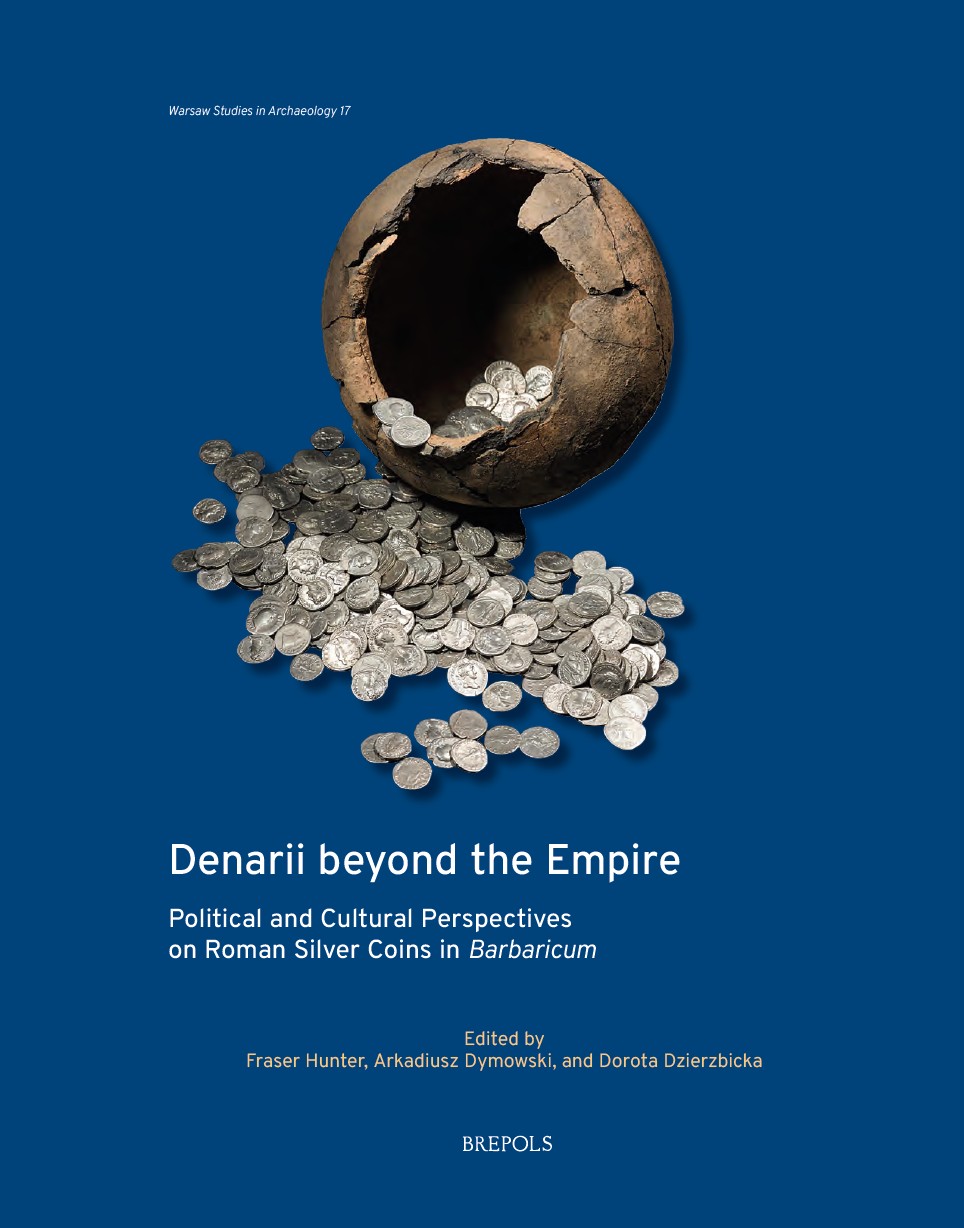 Denarii beyond the Empire
Political and Cultural Perspectives on Roman Silver Coins in Barbaricum
Volume 17


 Etruscan and Roman Hellenistic Anatomical ex votos
Reassessing Popular Religious Expressions in Central Italy
Volume 8




 Invisible Labour in Antiquity
Visualizing Obscure Work in the Ancient Mediterannean and West Asia
Volume 1

 Late Antique villae in the Balkans (3rd–7th c. AD): Current Research Questions and Perspectives
HAEMUS Companion to the Late Antique Balkans 1
Volume 4





 Portraying the Individual in the Roman East
Local–Imperial Entanglements in Sculpture, Mosaics, and Paintings (First–Fourth Centuries AD)
Volume 18


 Roman Copies, Collecting, and Culture in the Bay of Naples and Beyond
Papers in Honor of Eugene J. Dwyer
 Small Worlds and Relational Agencies: Local Societies in Early Medieval Iberia
Pequeños mundos y Agencias relacionales: Sociedades locales altomedievales en la Península Ibérica
 SOMA 2023: Proceedings of the 24th Symposium on Mediterranean Archaeology
Ideas that Travelled by the Sea, Udine, 2-4 February, 2023


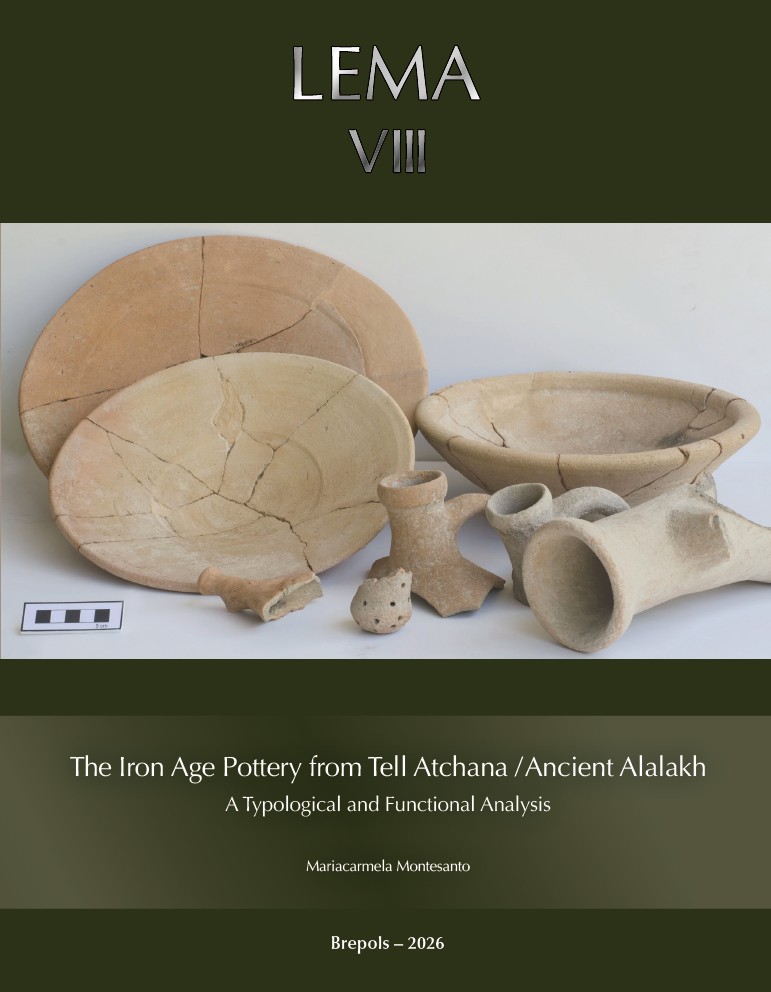 The Iron Age Pottery from Tell Atchana / Ancient Alalakh
A Typological and Functional Analysis
Volume 8