
Nobilities in Europe in the Twentieth Century
Reconversion Strategies, Memory Culture, and Elite Formation
Edited by Y. Kuiper Edited by N. Bijleveld Edited by J. Dronkers

In this volume on the comparative study of nobility, historians, sociologists and anthropologists focus on the different processes of transformation that aristocratic elites in Europe went through during the twentieth century. Readers will learn about nobles in northern Europe (Sweden and Finland), southern Europe (Italy), western Europe (France, Belgium, the Netherlands) and central Europe (Germany, Austria, Poland and Hungary). However, because of the comparative structure of the volume, readers will also sometimes encounter the nobility in Britain, Russia and the Baltic areas. The authors discuss questions like: how did noble men and women cope with the rise of totalitarian regimes and with the dramatic periods of the Second World War and the Cold War? What was the impact of the Fall of the Berlin Wall? And how did nobles react to the loss of political and economic privileges? In spite of all the variety and heterogeneity in wealth, power, prestige, and public visibility of these nobilities, some remarkable general trends and patterns emerge from the articles. The fourteen contributions show how and why relatively many nobles succeeded in staying on top or in transforming political and economic capital into cultural and symbolic capital.
In this volume on the comparative study of nobility, historians, sociologists and anthropologists focus on the different processes of transformation that aristocratic elites in Europe went through during the twentieth century. Readers will learn about nobles in northern Europe (Sweden and Finland), southern Europe (Italy), western Europe (France, Belgium, the Netherlands) and central Europe (Germany, Austria, Poland and Hungary). However, because of the comparative structure of the volume, readers will also sometimes encounter the nobility in Britain, Russia and the Baltic areas. The authors discuss questions like: how did noble men and women cope with the rise of totalitarian regimes and with the dramatic periods of the Second World War and the Cold War? What was the impact of the Fall of the Berlin Wall? And how did nobles react to the loss of political and economic privileges? In spite of all the variety and heterogeneity in wealth, power, prestige, and public visibility of these nobilities, some remarkable general trends and patterns emerge from the articles. The fourteen contributions show how and why relatively many nobles succeeded in staying on top or in transforming political and economic capital into cultural and symbolic capital.
- Edited by Y. Kuiper
- Edited by N. Bijleveld
- Edited by J. Dronkers
Other Titles in this Series
 Cultural Mediators
Artists and Writers at the Crossroads of Tradition, Innovation and Reception in the Low Countries and Italy 1450-1650
Volume 31

 Lady Macbeth’s Sisters
Women's Power in Political Elites in the Transition from Monarchy to Democracy
Volume 43
 Believers in the Nation
European Religious Minorities in the Age of Nationalism (1815-1914)
Volume 52
 The Beloved Mothertongue
Ethnolinguistic Nationalism in Small Nations: Inventories and Reflections
Volume 33

 Understanding Art in Antwerp
Classicising the Popular, Popularising the Classic (1540-1580)
Volume 45


 Language and Cultural Change
Aspects of the Study and Use of Language in the Later Middle Ages and the Renaissance
Volume 24
 Invisible Hands?
The Role and Status of the Painter's Journeyman in the Low Countries c.1450 - c.1650
Volume 23

 Transnationality, Internationalism and Nationhood
European Avant-Garde in the First Half of the Twentieth Century
Volume 48


 Europa: Charming Zeus … and Numerous Others!
International Political Economy of EU Accession
Volume 29


Similar Books



 Between Bones and Beliefs
Human-Bird Relations in Central and Northern Europe in the First Millennium AD
Volume 4


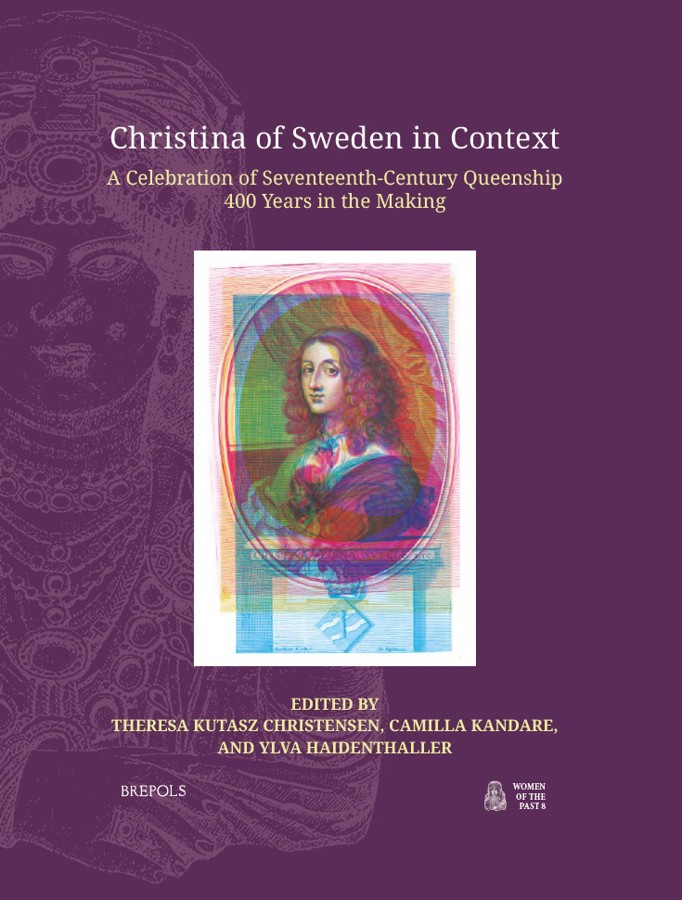 Christina of Sweden in Context
A Celebration of Seventeenth-Century Queenship 400 Years in the Making


 Dis/United States of Vulnerability
Literary and Cultural Transgressions in U.S. Poetry Since the 1960s
Volume 330


 Engaged Languages and Literatures / Langues et Littératures engagées
Critical Views / Regards Critiques

 European Drama and Performance Studies
Dramatisations politiques. Théâtre, politique et idéologie au XIXe siècle (1806-1914)
Volume 27


 Modernization, Crises, Cultural Revolutions
Yugoslavia’s 1960s and 1970s through the amateur film lens



 Visual Memory and Oblivion
Monuments and Conflicts in Urban Spaces in Central and Eastern Europe from the Nineteenth Century to the Present Day

