
Navigation et installations lacustres dans les hautes terres du Mexique: les cas mexica et tarasque
By (author) Alexandra Biar

Paperback (Published)
(July 2018)
ISBN: 9781784919092
7.99 x 10.87 inches
Price: $120.00
In stock
This research focuses on the practice of lake navigation and specific facilities that are associated with it in Late Postclassic Mesoamerica. Due to the need for a wholistic approach, this research is situated in a multidisciplinary framework that combines archaeology, ethnology and ethnohistory.
In a cultural area where geography conspires against ease of exchange, Mesoamerican societies discovered technical answers adapted to their needs. At a time when the exchange of merchandise and goods relied mainly on human transport, some civilizations turned to a mystical aquatic environment: lakes. This research focuses on the practice of lake navigation and specific facilities that are associated with it. Due to the need for a wholistic approach, this research is situated in a multidisciplinary framework that combines archaeology, ethnology and ethnohistory. Its primary objective is to elaborate the framework of a new research field from the analytical and systematic study of a corpus of eclectic data, about the exploitation of water as a means of transport. In Mesoamerica, the greatest concentration of lake systems lies in the Mexican highlands. However, only the Mexico and Patzcuaro Basin were converted into real political economic and cultural centres, with the emergence of the Mexica Empire and Tarascan State in the Late Postclassic period (1350-1521). Why then do archaeologists, ethnologists and historians persist in ignoring the true importance of navigation in their study of the formation and organization of these two civilizations? To what extent can we extract, from the study of boats and lake installations, data that can open new research perspectives?
- By (author) Alexandra Biar
Other Titles in this Series

 Adolescente de Jalpan
Primer estudio iconográfico y esbozo de interpretación iconológica sobre una escultura huasteca en la Sierra Gorda del Noreste de México
 Aportes del enfoque tecnológico a la arqueología precolombina
Pasado y presente de la alfarería en el valle del río Cuyes y su región (Andes sur-orientales del ecuador)


 El renacer de los Reyes
Imagen, contexto y significado del friso de Balamku, Campeche, Mexico
Volume 56
 La industria lítica bifacial del sitio en cantera Chipana-1
Conocimiento y técnica de los grupos humanos del Desierto de Atacama, norte de Chile al final del Pleistoceno


 La fábrica del prestigio en Mesoamérica
Interacciones y alteridad en el Altiplano central durante el período epiclásico (600-900 d.C.)


Similar Books


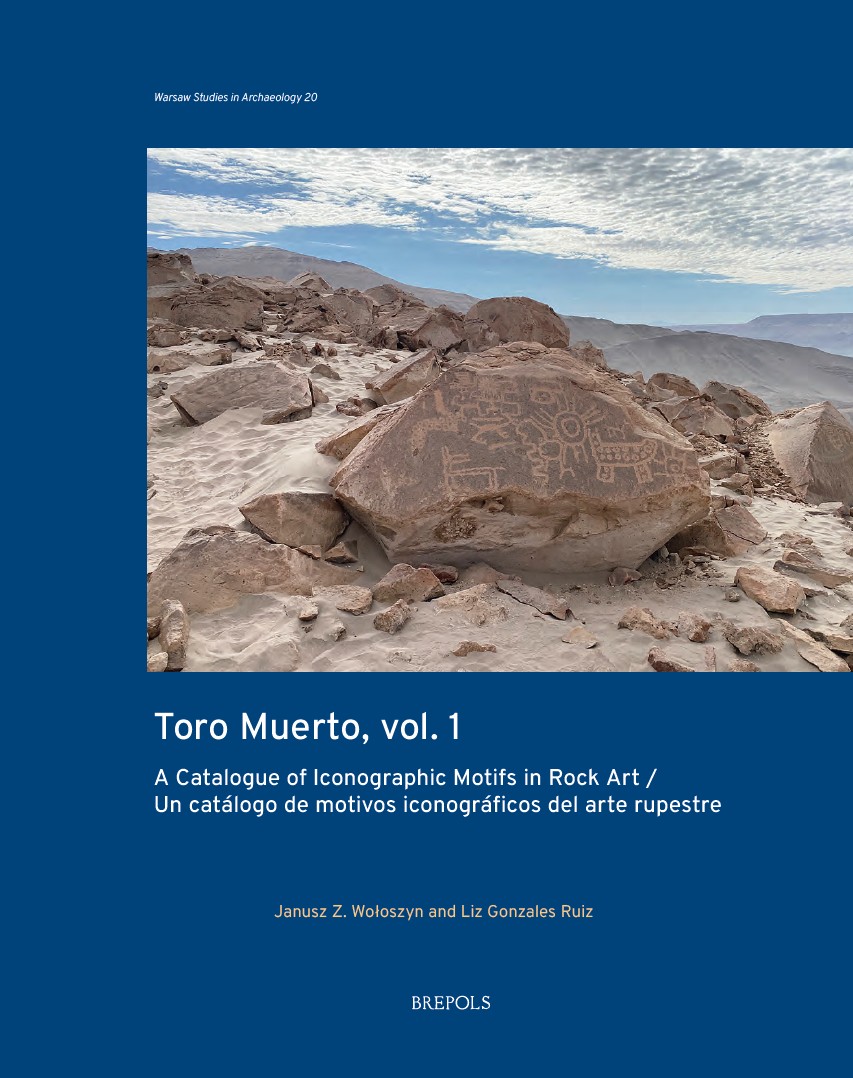 Toro Muerto, vol. I
A Catalogue of Iconographic Motifs in Rock Art / Un catálogo de motivos iconográficos del arte rupestre
Volume 20
 Patrimonio antes del patrimonio
Una genealogía del pensamiento patrimonialista y la arqueología mexicana en un amplio siglo XIX

 From Sedentarisation to the Complex Society
Settlement, Economy, Environment, Cult. Proceedings of the workshops in Lisbon, Tehran and Lima (2016 − 2019)

 Adolescente de Jalpan
Primer estudio iconográfico y esbozo de interpretación iconológica sobre una escultura huasteca en la Sierra Gorda del Noreste de México

 Archaeological Investigations in Guadalupe, Northeast Honduras
Interaction Networks during the Late Pre-Hispanic Period (AD 900-1525)
Volume 19
 Flower World – Mundo Florido
Music Archaeology of the Americas - Arqueomusicologia de las Americas
Volume 7


 Obsidian Across the Americas
Compositional Studies Conducted in the Elemental Analysis Facility at the Field Museum of Natural History


 La fábrica del prestigio en Mesoamérica
Interacciones y alteridad en el Altiplano central durante el período epiclásico (600-900 d.C.)


 El renacer de los Reyes
Imagen, contexto y significado del friso de Balamku, Campeche, Mexico
Volume 56

 El Palacio: Historiography and new perspectives on a pre-Tarascan city of northern Michoacán, Mexico


 Essai bibliographique sur l’archéologie francophone de la Mésoamérique
Bibliographical essay upon the French-speaking contributions to Mesoamerican archaeology; Ensayo bibliográfico sobre la arqueología francófona de Mesoamérica

 Sea Shells in the Mountains and Llamas on the Coast
The Economy of the Paracas Culture (800 to 200 BC) in Southern Peru
Volume 16

 Wari Women from Huarmey
Bioarchaeological Interpretation of Human Remains from the Wari Elite Mausoleum at Castillo de Huarmey, Peru
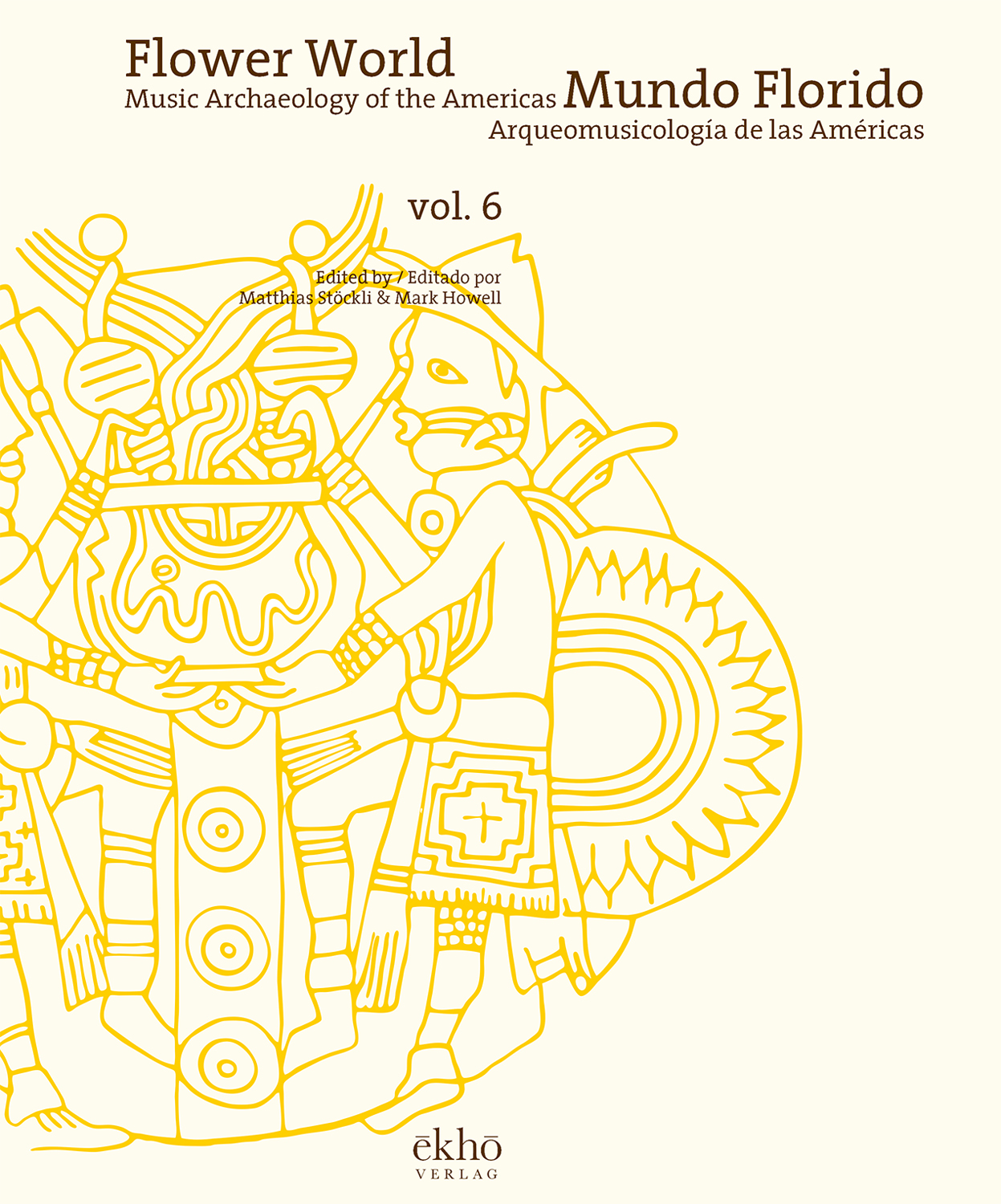 Flower World – Mundo Florido
Music Archaeology of the Americas - Arqueomusicologia de las Americas
Volume 6