Narrative Images

Can single pictures be narrative? Can they tell stories, purely by visual means and without words?
This book offers an extended argument that they can. This goes against the dominant view that either words or several pictures are needed. But if this is so, what makes them narrative? The first part of the book identifies necessary and paradigmatic characteristics, like events or a time sequence. The second part asks how it is possible that a still picture can represent something temporally extended at all, and argues that we can make sense of this via semantic rules. It then develops several such candidate rules and tests them with examples from different picture traditions, from medieval art to contemporary illustrations and much in between. Finally, the book turns to cases where the narrative content is not semantically but pragmatically generated through circumstantial meaning and background knowledge, as with protest pictures.
Similar Books


 Drunk the Potion, No Whit Charmed
The Doctrine of Pure and Perfect Souls from Iamblichus to Damascius
 Éthique, politique, religions
Superstition (XVIIe - XXIe siècles). Sémantique, histoires et cultures


 La Lettre clandestine
La littérature philosophique clandestine, ses éditeurs et ses éditions
Volume 34
 Libertinage et philosophie à l’époque classique (XVIe-XVIIIe siècle)
Athéisme, Modernité et Sécularisation / Atheism, Modernity and Secularization
Volume 23


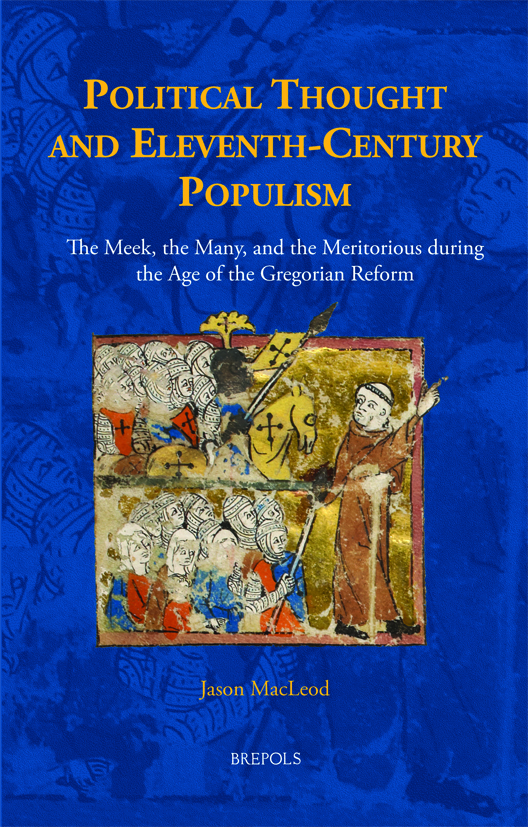 Political Thought and Eleventh-Century Populism
The Meek, the Many, and the Meritorious during the Age of the Gregorian Reform
Volume 38


 The Latin Hermes in Translation
Asclepius, Glosses on Trismegistus, Book of Six Principles of Things, Book of 24 Philosophers
Volume 50



 ‘Emergente Evolution’?
Fallstudien zur philosophischen Rekonstruktion und schopfungstheologischen Rezeption eines naturalistischen Paradigmas
Volume 40
 Al-Ğābirīs Genese und Kritik der Arabischen Vernunft
On Genesis and Critique of Arab Reason by Muḥammed ʿĀbid al-Ğābirī


 Das Dasein und das isolierte Subjekt
Die Frage der philosophischen Selbstinterpretation des Menschen bei Heidegger


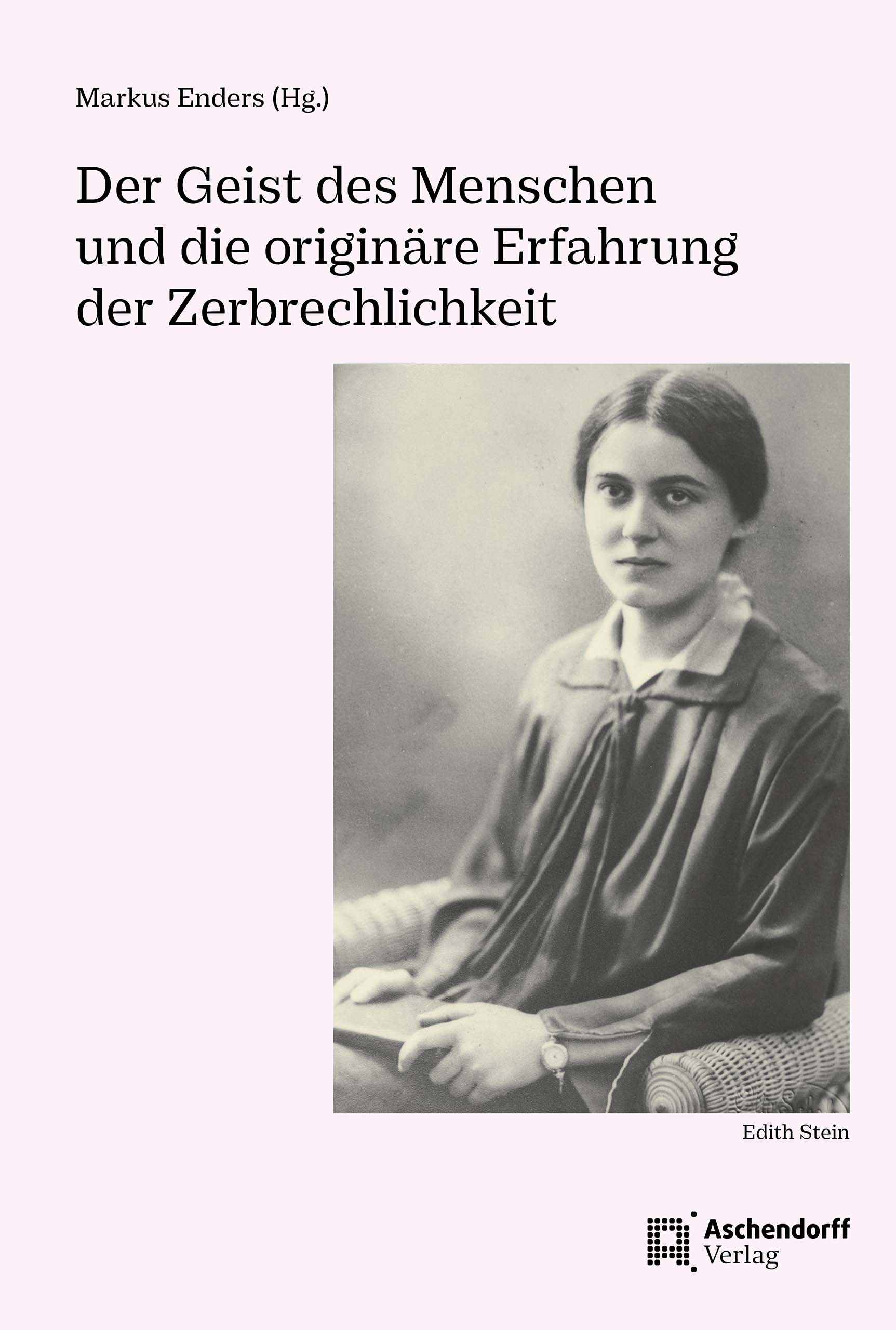 Der Geist des Menschen und die originäre Erfahrung der Zerbrechlichkeit
Eine philosophisch-theologische Grundlegung nach Edith Stein im Dialog mit der medizinischen Anthropologie und der existentiellen Psychologie