
Medieval Rule in Tibet
The Rlangs Clan and the Political and Religious History of the Ruling House of Phag mo gru pa. With a Study of the Monastic Art of Gdan sa mthil
by Olaf Czaja

Paperback (Published)
(January 2014)
ISBN: 9783700172406
8.27 x 11.77 inches
Price: $198.00
On back order
The present work is devoted to a significant period of medieval history of Tibet, during a crucial spell when the noble house of the Phag mo gru pa dominated Central Tibet. On the basis of a great variety of Tibetan sources, this present study investigates the entire period from the mythical beginnings of the Rlangs Phag mo gru pa clan until the end when the noble house played no political role anymore.
The present work is devoted to a significant period of medieval history of Tibet, during a crucial spell when the noble house of the Phag mo gru pa dominated Central Tibet. On the basis of a great variety of Tibetan sources, this present study investigates the entire period from the mythical beginnings of the Rlangs Phag mo gru pa clan until the end when the noble house played no political role anymore. Maintaining a strictly chronological approach, a comprehensive study of the political and historical activity of the noble house from the 12th to the 17th century is offered. A particular focus will be placed on the period of the 14th century which saw the rise of this noble house as ruler of Central Tibet. It can be argued that the Rlangs Phag mo gru pa were a defining factor in Tibetan politics from the middle of the 14th century to the mid-16th century. The second part of this publication is devoted to a detailed study of the architectural history and the religious art of Gdan sa mthil monastery. It was famous for its commemorative stupas that were adorned with a variety of reliefs and statues of which a part has survived. By investigating and evaluating a number of Tibetan inventory texts and a number of historical photographs, an attempt has been made to reconstruct the full range of figures found on these commemorative stupas iconographically. The book is lavishly illustrated with 48 drawings and 415 plates. This study is also of great importance for museums, auction houses and art collectors. The work is finally supplemented with nine appendices on the succession of the abbots and throne holders of the Phag mo gru pa, on further noble houses and so on.
- By (author) Olaf Czaja
Other Titles in this Series
 The Social and the Religious in the Making of Tibetan Societies
New Perspectives on Imperial Tibet
Volume 30
 Material Aspects of Building and Craft Traditions
Spatial Programme - Building Material - Natural Environment. A Himalayan Case Study
Volume 26

 Volkerkunde zur NS-Zeit aus Wien (1938-1945)
Institutionen, Biographien und Praktiken in Netzwerken
Volume 27

 Exploring Himalayan Cultural and Textual Heritage
The Legacy and Impact of René Nebesky-Wojkowitz
Volume 35


Similar Books
 A Collaborative Tapestry in Honour of Shirley Ann Brown / Une fresque brodée en l’honneur de Shirley Ann Brown
The Bayeux Tapestry Seen by her Colleagues and Friends / La Tapisserie de Bayeux vue par ses collègues et amis
 Behind the Scenes of Medieval Roofs
An Overview of the Roofing Systems of Italian Churches
Volume 90






 Innovation and Medieval Communities
The Circulation of Ideas and Practices in and out of the Town (1200-1500)
Volume 63
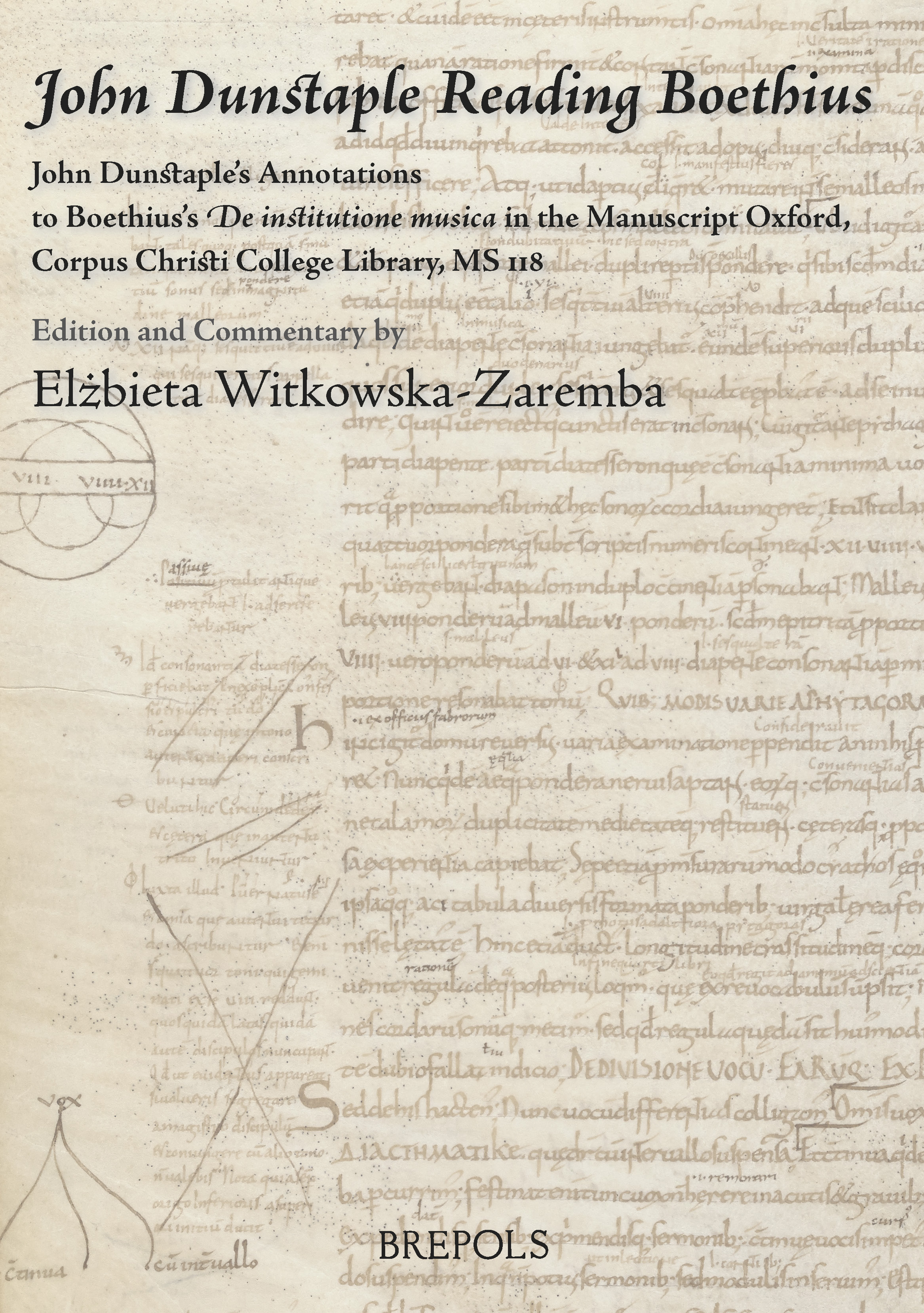 John Dunstaple Reading Boethius
John Dunstaple’s Annotations to Boethius’s “De institutione musica” in the Manuscript Oxford, Corpus Christi College Library, MS 118
 Linguistic and Cultural Dynamics in a Frontier Society
New Perspectives on Northeastern Bavaria and Western Bohemia in the Early Middle Ages
Volume 9
 Medieval Debates on Foreknowledge: Future Contingents, Prophecy, and Divination
Acts of the XXVII Annual Colloquium of the SIEPM, Trento 12-15 September 2023
Volume 31
 Medieval Yeghegis, Armenia
History, Archaeology, Society. Local Multiplicities and Global Connections of a Rural Centre on the Silk Road(s)


 Power and Women in Southeast and Central Europe in Late Medieval and Early Modern Period (1300-1600)
Volume 10



 The Anglo-Norman Bible’s Books of Kings, a Critical Edition
(BL Royal 1 C III, fols 234r-274v)
Volume 37


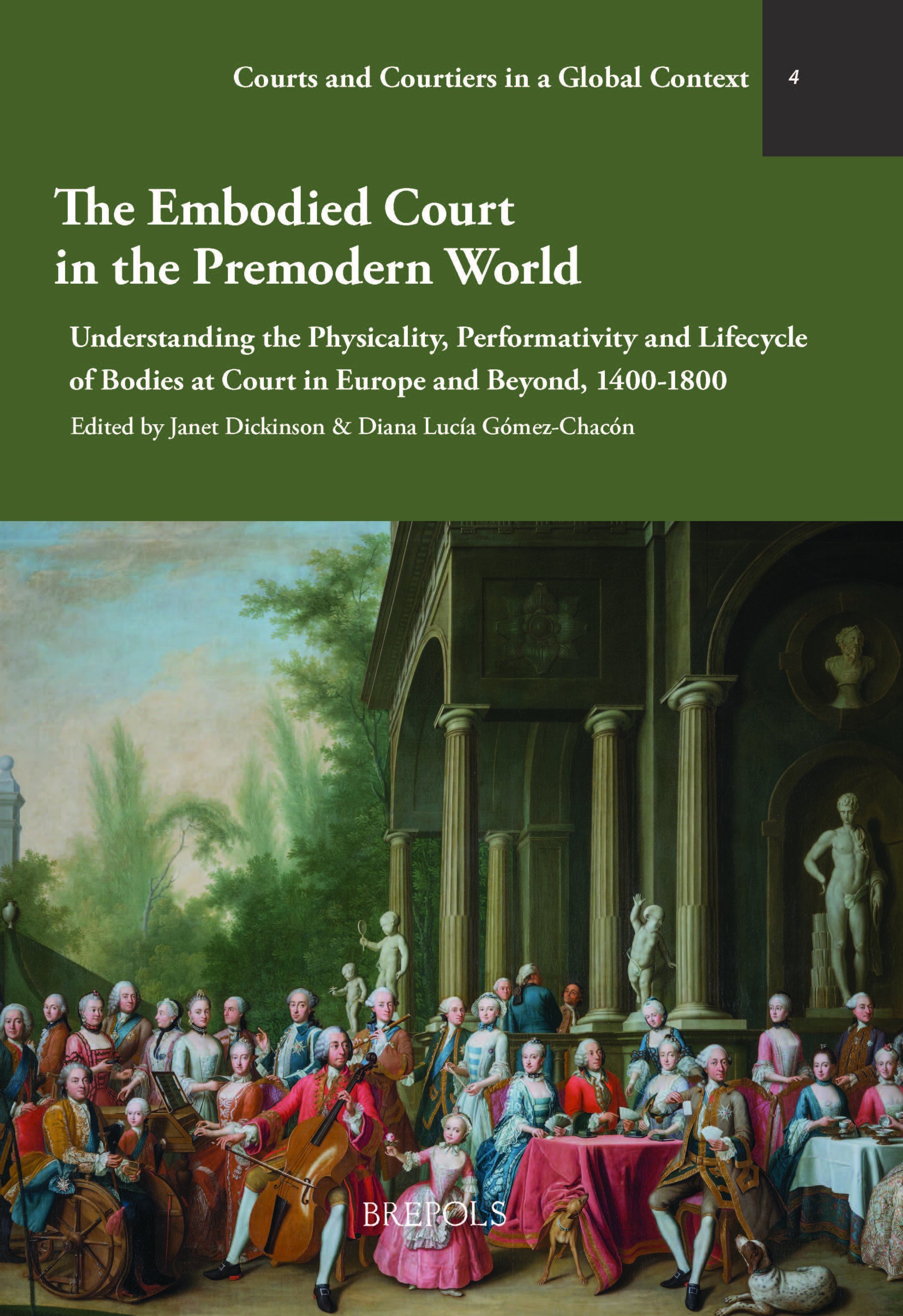 The Embodied Court in the Premodern World
Understanding the Physicality, Performativity and Lifecycle of Bodies at Court in Europe and Beyond, 1400-1800
Volume 4

