
Land Assessment and Lordship in Medieval Northern Scotland
By (author) Alasdair Ross

This book re-examines the ancient landscape divisions of medieval northern Scotland and discusses these in a European context. It demonstrates for the first time that the secular and ecclesiastical units of lordship across more than half of medieval and later Scotland were built out of an earlier Pictish (pre-ad 900) unit of land assessment, the dabhach (plural dabhaichean). It is also demonstrated that these dabhaichean remained in use as viable units of land assessment for many hundreds of years. Some were still being listed in estate rentals in the 1930s, giving them a working lifespan of over 1000 years. Essentially, dabhaichean were the building blocks from which the medieval kingdom of the Scots was largely founded. They formed the basis of larger units of secular and ecclesiastical lordship, parishes, tax assessments, and common services. The latter included bridge service, road service, fighting service, and hunting service. They provided order for society. Importantly, this book also argues that each of these units contained all of the natural resources required to sustain communities from year to year, such as access to fishings, woodland, peat, meadows, arable land, and grazings. In terms of environmental history, the division of the landscape into dabhaichean resulted in the increasingly efficient exploitation (and management) of these resources across time.
This book re-examines the ancient landscape divisions of medieval northern Scotland and discusses these in a European context. It demonstrates for the first time that the secular and ecclesiastical units of lordship across more than half of medieval and later Scotland were built out of an earlier Pictish (pre-ad 900) unit of land assessment, the dabhach (plural dabhaichean). It is also demonstrated that these dabhaichean remained in use as viable units of land assessment for many hundreds of years. Some were still being listed in estate rentals in the 1930s, giving them a working lifespan of over 1000 years. Essentially, dabhaichean were the building blocks from which the medieval kingdom of the Scots was largely founded. They formed the basis of larger units of secular and ecclesiastical lordship, parishes, tax assessments, and common services. The latter included bridge service, road service, fighting service, and hunting service. They provided order for society. Importantly, this book also argues that each of these units contained all of the natural resources required to sustain communities from year to year, such as access to fishings, woodland, peat, meadows, arable land, and grazings. In terms of environmental history, the division of the landscape into dabhaichean resulted in the increasingly efficient exploitation (and management) of these resources across time.
Introduction: The European and Scholarly Contexts Chapter 1. A New Look at an Old Tub: The Historiography of the Dabhach Chapter 2. Moray and the Dabhach Chapter 3. Caithness, Sutherland, Ross, the Northern Hebrides And the Dabhach Chapter 4. The Dabhach In Its European Context Appendices Appendix 1: Moray Parishes and Dabhaichean Appendix 2: 'Lesser' Caithness Parishes and Dabhaichean, Post-C.1239 Appendix 3: Sutherland Parishes and Dabhaichean Appendix 4: Ross Parishes and Dabhaichean Appendix 5 Bibliography
- By (author) Alasdair Ross
Other Titles in this Series


 Scale and Scale Change in the Early Middle Ages
Exploring Landscape, Local Society, and the World Beyond
Volume 6
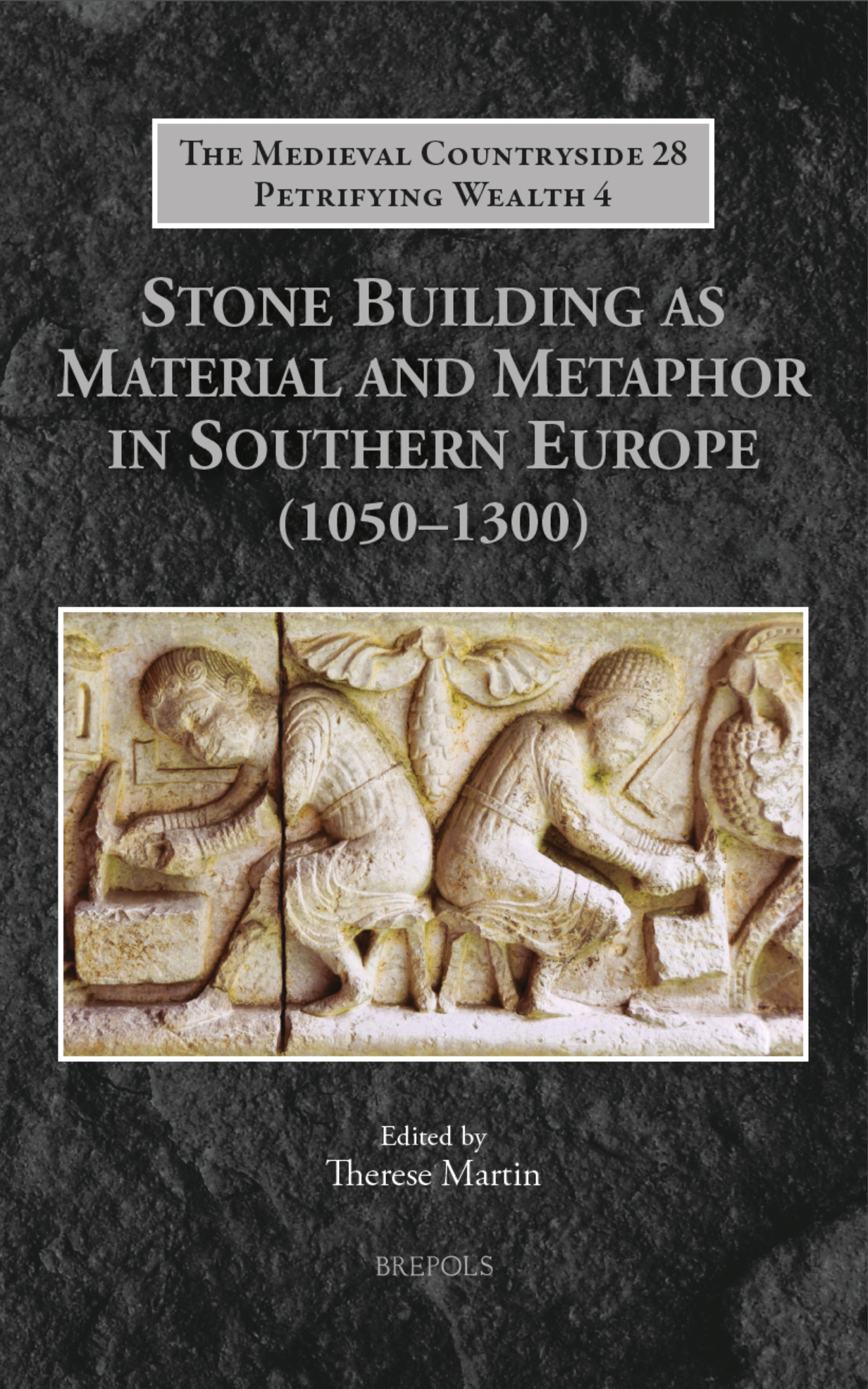


 Conflict, Language, and Social Practice in Medieval Societies
Selected Essays of Isabel Alfonso, with Commentaries
Volume 24


 The Historic Landscape of Catalonia
Landscape History of a Mediterranean Country in the Middle Ages
Volume 23


 Rural Economy and Tribal Society in Islamic Egypt
A Study of al-Nabulusi's 'Villages of the Fayyum'
Volume 19

 The Medieval Household
Daily Life in Castles and Farmsteads: Scandinavian Examples in their European Context
Volume 2


 Peasants and Lords in the Medieval English Economy
Essays in Honour of Bruce M. S. Campbell
Volume 16


Similar Books
 A Collaborative Tapestry in Honour of Shirley Ann Brown / Une fresque brodée en l’honneur de Shirley Ann Brown
The Bayeux Tapestry Seen by her Colleagues and Friends / La Tapisserie de Bayeux vue par ses collègues et amis

 Behind the Scenes of Medieval Roofs
An Overview of the Roofing Systems of Italian Churches
Volume 90








 Innovation and Medieval Communities
The Circulation of Ideas and Practices in and out of the Town (1200-1500)
Volume 63
 John Dunstaple Reading Boethius
John Dunstaple’s Annotations to Boethius’s “De institutione musica” in the Manuscript Oxford, Corpus Christi College Library, MS 118
 Linguistic and Cultural Dynamics in a Frontier Society
New Perspectives on Northeastern Bavaria and Western Bohemia in the Early Middle Ages
Volume 9

 Medieval Debates on Foreknowledge: Future Contingents, Prophecy, and Divination
Acts of the XXVII Annual Colloquium of the SIEPM, Trento 12-15 September 2023
Volume 31
 Medieval Yeghegis, Armenia
History, Archaeology, Society. Local Multiplicities and Global Connections of a Rural Centre on the Silk Road(s)




 Power and Women in Southeast and Central Europe in Late Medieval and Early Modern Period (1300-1600)
Volume 10



 The Anglo-Norman Bible’s Books of Kings, a Critical Edition
(BL Royal 1 C III, fols 234r-274v)
Volume 37


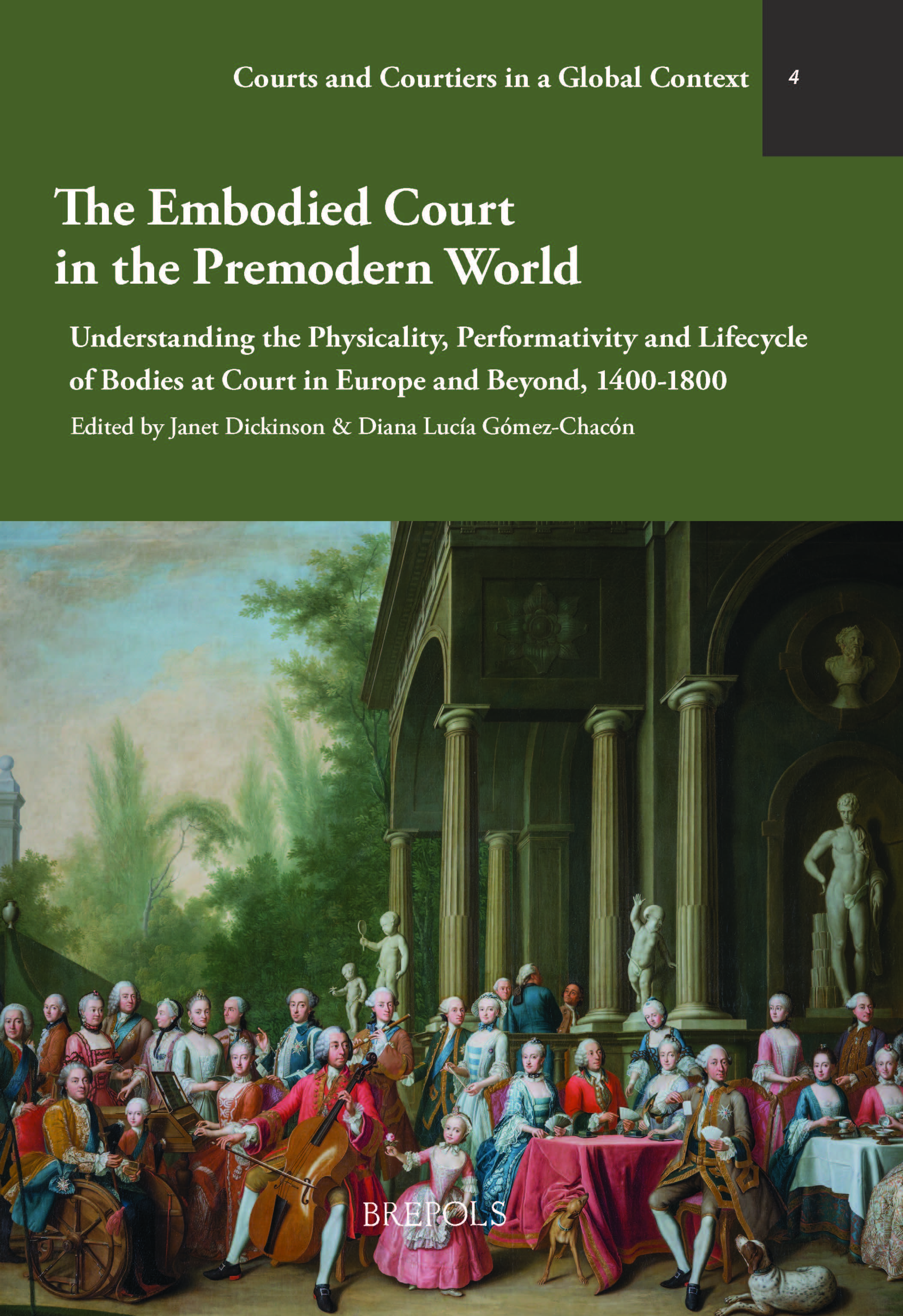 The Embodied Court in the Premodern World
Understanding the Physicality, Performativity and Lifecycle of Bodies at Court in Europe and Beyond, 1400-1800
Volume 4


