
From the Ark to the Pulpit
An Edition and Translation of the Transitional Northumberland Bestiary (13th century)
Edited by C White

Paperback (Published)
(February 2010)
ISBN: 9782960076929
Price: $70.00
On back order
This publication of the thirteenth-century Northumberland Bestiary, formerly the Alnwick Bestiary, provides a complete critical edition of one of the most developed Medieval Latin bestiaries. Even among the few manuscripts in its group, called the transitional family of bestiaries, the Northumberland Bestiary is unique: it crystallizes the fluid combination of narrative, animal lore, and spiritual guidance that characterize the genre. Beginning with creation and covering the gamut of real and imaginary beasts, birds, fish, serpents, worms, man, and trees, this bestiary is a spiritual journey as well as a scientific manual. Under the pretense of zoology, the bestiary is a metaphor for divine creation, a message from the creator through creation. Medieval preachers used the pretense as well as the spiritual allegories that accompany the creatures to instruct their congregations. The Northumberland Bestiary was the last known bestiary in private hands until 2007 when the J. Paul Getty Museum acquired it. Written about 1250, in a small, early gothic book hand, it is one of the richest of all Latin bestiary manuscripts produced in England. There are 112 finely drawn and colored miniatures among its 74 leaves as well as an elegant and discrete Sermon on How a Sinner May Be Pleasing to God (Sermo qualiter peccator Deo placere valeat), which was likely directed to clerics who were training to work as pastors. For a general as well as a scholarly readership, this edition captures the charming essence of the bestiary tradition in a readable Latin-English format.The book comprises a general introduction discussing the text and the manuscript, the Latin text with English translation, notes and commentary, a description of all the miniatures, and reproductions of about thirty of them.
This publication of the thirteenth-century Northumberland Bestiary, formerly the Alnwick Bestiary, provides a complete critical edition of one of the most developed Medieval Latin bestiaries. Even among the few manuscripts in its group, called the transitional family of bestiaries, the Northumberland Bestiary is unique: it crystallizes the fluid combination of narrative, animal lore, and spiritual guidance that characterize the genre. Beginning with creation and covering the gamut of real and imaginary beasts, birds, fish, serpents, worms, man, and trees, this bestiary is a spiritual journey as well as a scientific manual. Under the pretense of zoology, the bestiary is a metaphor for divine creation, a message from the creator through creation. Medieval preachers used the pretense as well as the spiritual allegories that accompany the creatures to instruct their congregations. The Northumberland Bestiary was the last known bestiary in private hands until 2007 when the J. Paul Getty Museum acquired it. Written about 1250, in a small, early gothic book hand, it is one of the richest of all Latin bestiary manuscripts produced in England. There are 112 finely drawn and colored miniatures among its 74 leaves as well as an elegant and discrete Sermon on How a Sinner May Be Pleasing to God (Sermo qualiter peccator Deo placere valeat), which was likely directed to clerics who were training to work as pastors. For a general as well as a scholarly readership, this edition captures the charming essence of the bestiary tradition in a readable Latin-English format.The book comprises a general introduction discussing the text and the manuscript, the Latin text with English translation, notes and commentary, a description of all the miniatures, and reproductions of about thirty of them.
- Edited by C White
Other Titles in this Series


 Entre le coeur et le diaphragme
(D)ecrire les emotions dans la litterature narrative et scientifique du Moyen Age
Volume 30
 Corps hybrides aux frontieres de l’humain au Moyen Age
Actes du colloque international de Louvain-la-Neuve (19-20 avril 2018)
Volume 31


Similar Books
 «Solazoxa festa, stradolze e stracomplia»
Festschrift für Raymund Wilhelm zum 65. Geburtstag mit Beiträgen zu Diskurstraditionen und mittelalterlicher Philologie
Volume 249
 A Collaborative Tapestry in Honour of Shirley Ann Brown / Une fresque brodée en l’honneur de Shirley Ann Brown
The Bayeux Tapestry Seen by her Colleagues and Friends / La Tapisserie de Bayeux vue par ses collègues et amis

 Behind the Scenes of Medieval Roofs
An Overview of the Roofing Systems of Italian Churches
Volume 90

 Cahiers de recherches médiévales et humanistes – Journal of Medieval and Humanistic Studies
Volume 51








 Innovation and Medieval Communities
The Circulation of Ideas and Practices in and out of the Town (1200-1500)
Volume 63
 John Dunstaple Reading Boethius
John Dunstaple’s Annotations to Boethius’s “De institutione musica” in the Manuscript Oxford, Corpus Christi College Library, MS 118

 Medieval Debates on Foreknowledge: Future Contingents, Prophecy, and Divination
Acts of the XXVII Annual Colloquium of the SIEPM, Trento 12-15 September 2023
Volume 31

 Medieval Yeghegis, Armenia
History, Archaeology, Society. Local Multiplicities and Global Connections of a Rural Centre on the Silk Road(s)
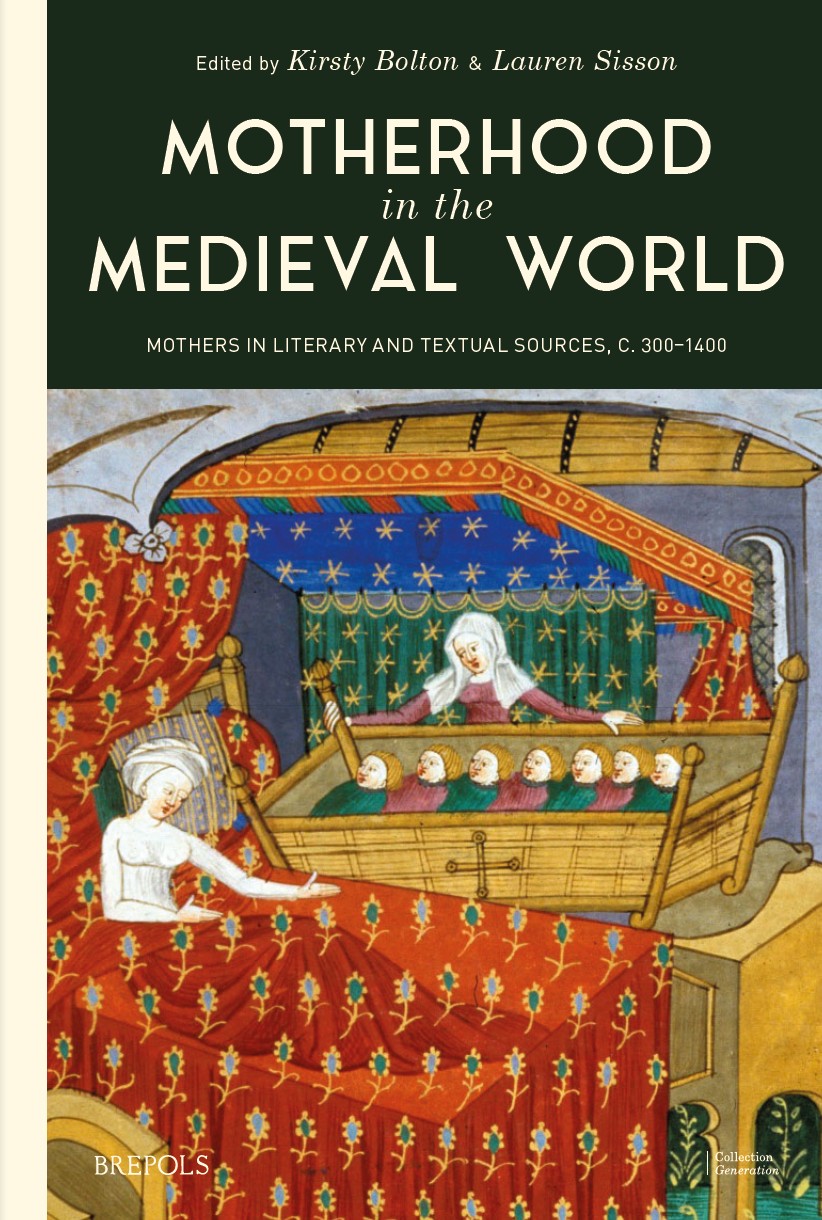
 Nicholas of Lyra’s Commentaries on the Gospels of Matthew and Luke
Franciscan Exegesis in a Time of Crisis



 Power and Women in Southeast and Central Europe in Late Medieval and Early Modern Period (1300-1600)
Volume 10

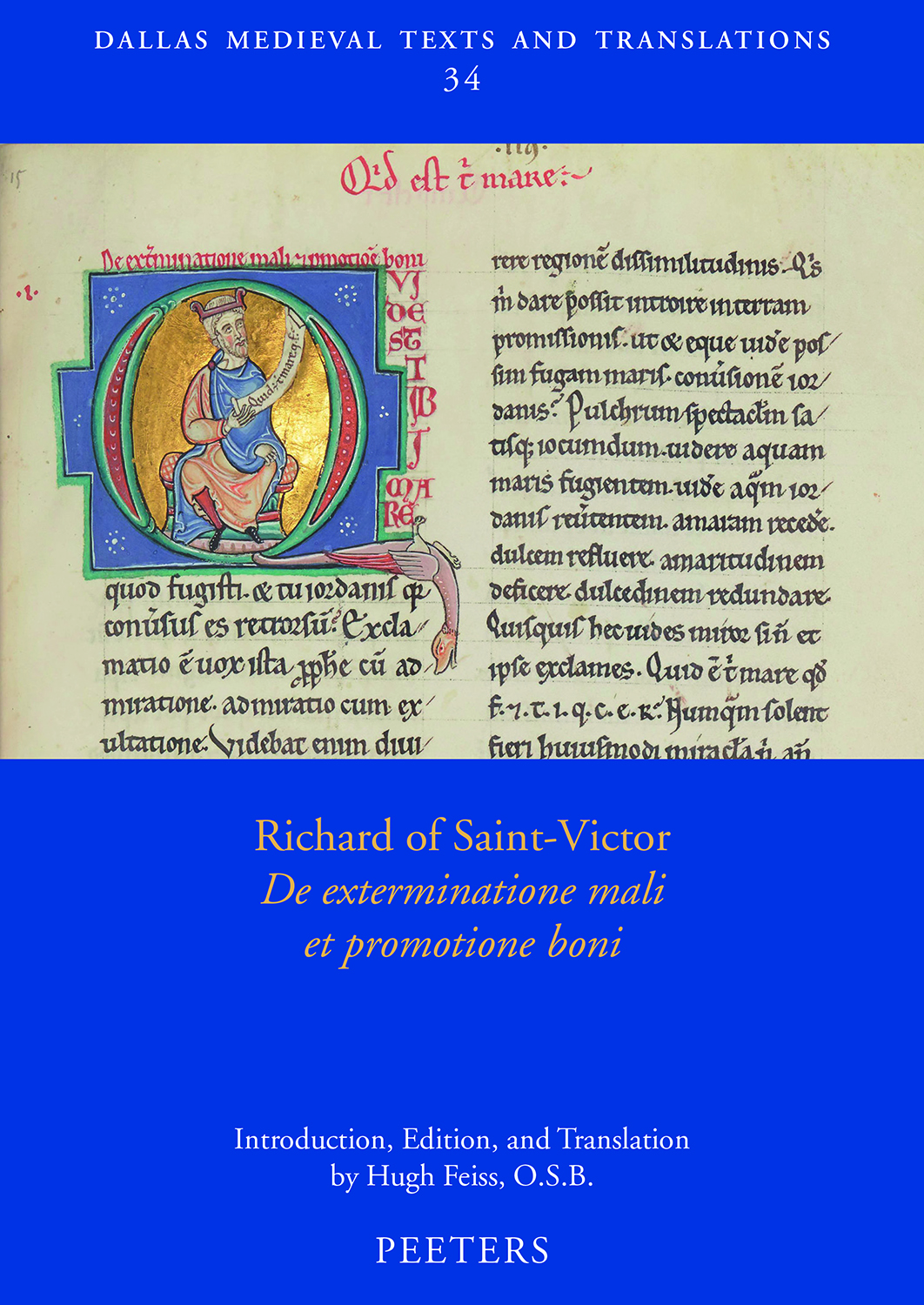

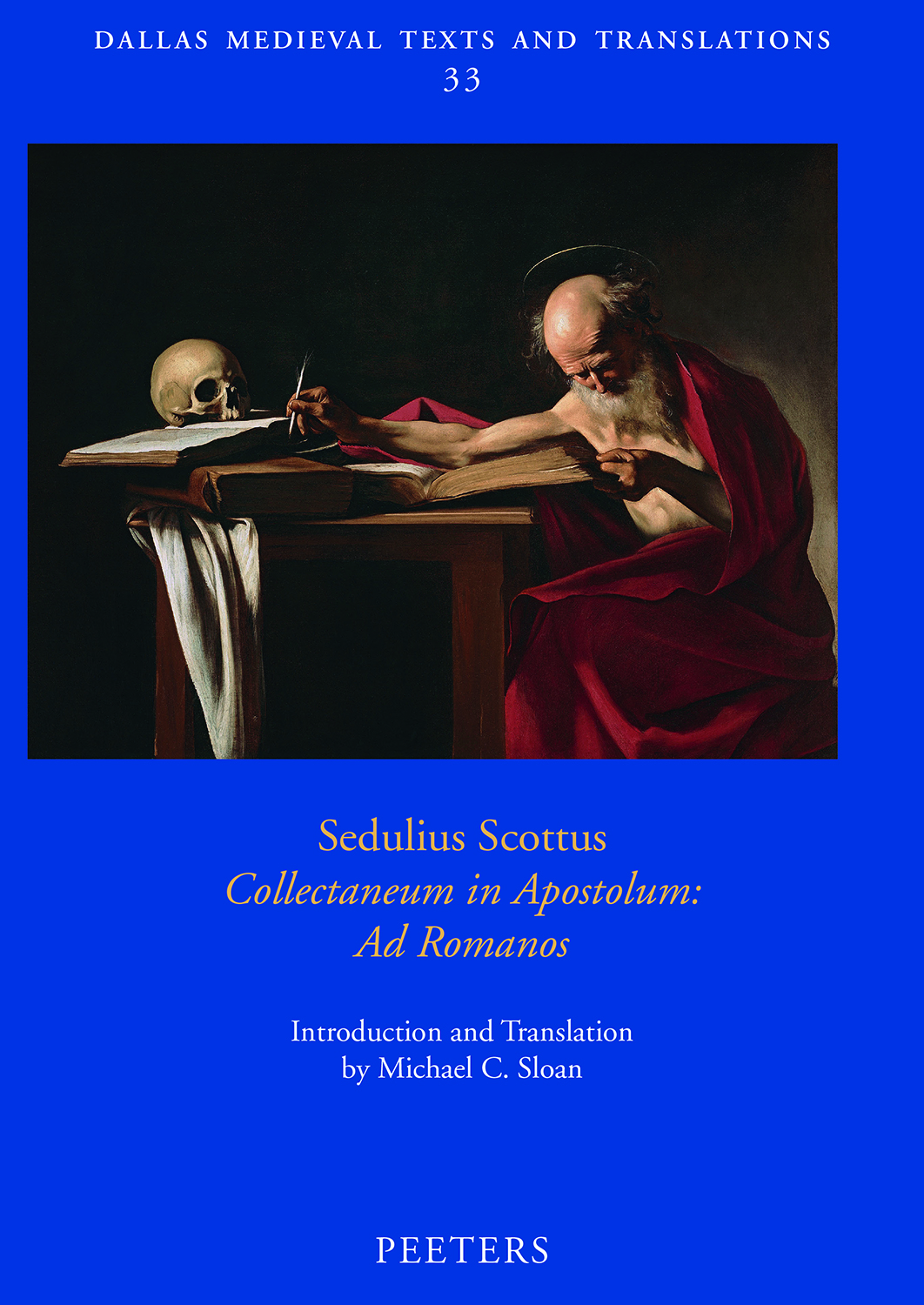


 The Anglo-Norman Bible’s Books of Kings, a Critical Edition
(BL Royal 1 C III, fols 234r-274v)
Volume 37
