
From Ducatus to Regnum
Ruling Bavaria under the Merovingians and Early Carolingians
By (author) C I Hammer

Bavaria was a very important country during the early Middle Ages.Its territory included much of the modern German state but also reached across the Alps into what are now Austria and northern Italy.Bavaria thus occupied a strategic position between the rival kingdoms of the Franks and the Langobards.It was ruled by powerful dukes who had close political and personal relations with the Frankish rulers but who also vigorously resisted attempts to limit their own sovereignty.Bavaria’s independence was ended in 788 by Charlemagne who deposed his cousin, Duke Tassilo.Charlemagne’s son, the Emperor Louis the Pious, then established Bavaria as the first monarchy east of the river Rhine for his own son, Ludwig the German.This is the first full study of the entire evolution of Bavarian rule from the mid-sixth century into the early ninth century It explores the changing strategies adopted by its dukes and then its first king to establish their authority and maintain their autonomy in face of evolving challenges to their rule.An Epilogue continues the story into the early tenth century. Carl I. Hammer graduated from Amherst College (B.A.) and the University of Toronto (Ph.D.) and also studied at the universities of Munich, Chicago and Oxford.After a career in international business with Westinghouse and Daimler-Benz, he is now retired.He has published two other scholarly books on early-medieval Bavaria and numerous articles in academic journals in N. America and Europe.He lives in Pittsburgh.
Bavaria was a very important country during the early Middle Ages.Its territory included much of the modern German state but also reached across the Alps into what are now Austria and northern Italy.Bavaria thus occupied a strategic position between the rival kingdoms of the Franks and the Langobards.It was ruled by powerful dukes who had close political and personal relations with the Frankish rulers but who also vigorously resisted attempts to limit their own sovereignty.Bavaria’s independence was ended in 788 by Charlemagne who deposed his cousin, Duke Tassilo.Charlemagne’s son, the Emperor Louis the Pious, then established Bavaria as the first monarchy east of the river Rhine for his own son, Ludwig the German.This is the first full study of the entire evolution of Bavarian rule from the mid-sixth century into the early ninth century It explores the changing strategies adopted by its dukes and then its first king to establish their authority and maintain their autonomy in face of evolving challenges to their rule.An Epilogue continues the story into the early tenth century. Carl I. Hammer graduated from Amherst College (B.A.) and the University of Toronto (Ph.D.) and also studied at the universities of Munich, Chicago and Oxford.After a career in international business with Westinghouse and Daimler-Benz, he is now retired.He has published two other scholarly books on early-medieval Bavaria and numerous articles in academic journals in N. America and Europe.He lives in Pittsburgh.
- By (author) C I Hammer
Other Titles in this Series


 Sacred Places
Devotional Practices and Space Organization in Early Medieval Monasteries (5th-10th centuries)
Volume 52
 Donner sens au nom de personne dans le royaume anglo-saxon (Xe-XIe siecles)
Essai d'histoire sociale
Volume 35
 Genese des espaces politiques (IXe-XIIe siecle)
Autour de la question spatiale dans les royaumes francs et post-carolingiens
Volume 28

 La controverse carolingienne sur la predestination
Histoire, textes, manuscrits. Actes du colloque international de Paris des 11 et 12 octobre 2013
Volume 32


 Charlemagne : les temps, les espaces, les hommes
Construction et deconstruction d'un regne
Volume 34
 Monasteres, convergences, echanges et confrontations dans l’Ouest de l’Europe au Moyen Age
Actes du Colloque Anciennes Abbayes de Bretagne, Universite de Toronto 5-6 mai, 2016
Volume 45


 Du Champ de Mars merovingien au Champ de Mai carolingien
Eclairages sur un objet fugace et une reforme de Pepin, dit le Bref
Volume 41

 New Directions in Early Medieval European Archaeology
Spain and Italy compared: Essays for Riccardo Francovich
Volume 24


 Le virus de l’erreur. La controverse carolingienne sur la double predestination
Essai d'histoire sociale
Volume 26
Similar Books
 A Collaborative Tapestry in Honour of Shirley Ann Brown / Une fresque brodée en l’honneur de Shirley Ann Brown
The Bayeux Tapestry Seen by her Colleagues and Friends / La Tapisserie de Bayeux vue par ses collègues et amis
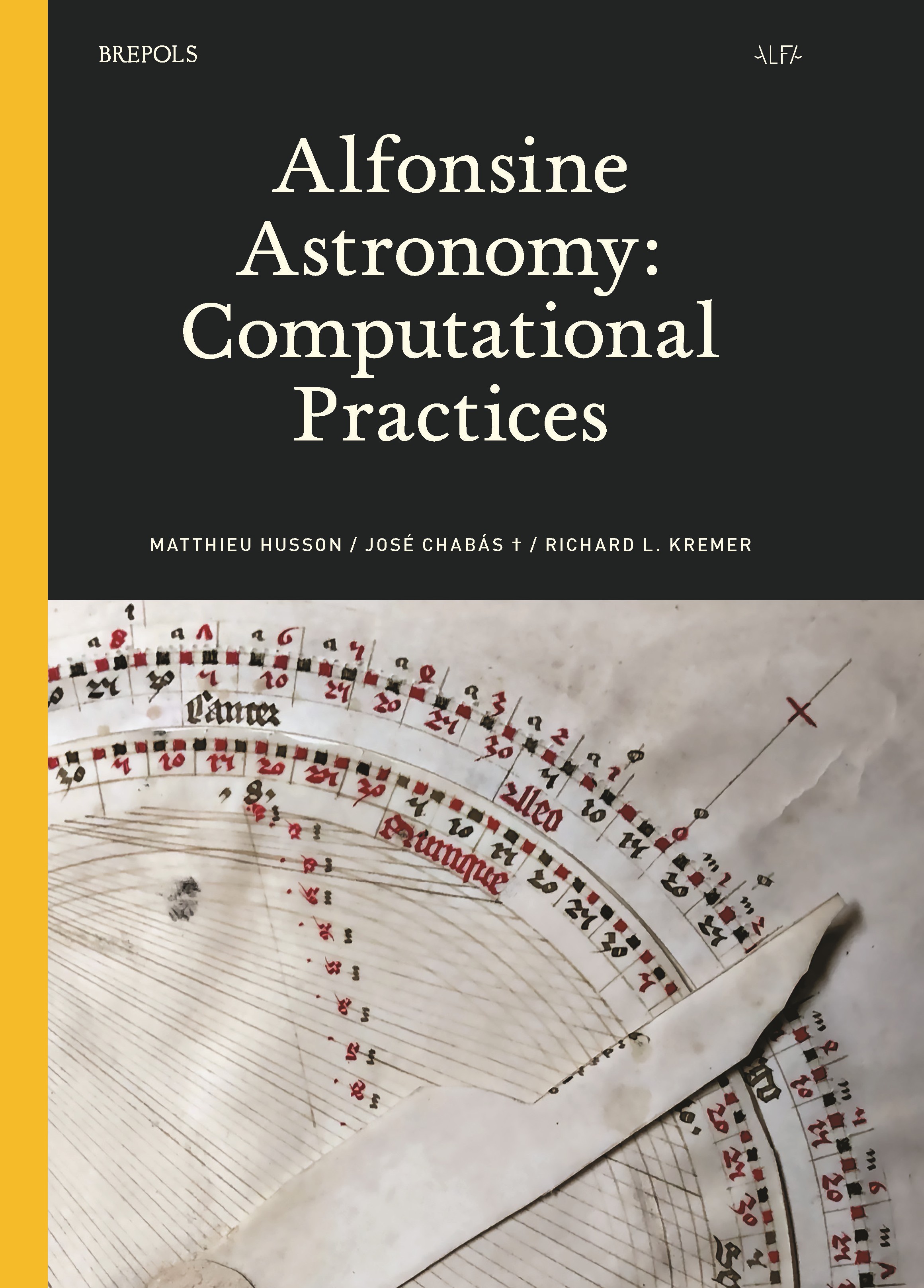
 Behind the Scenes of Medieval Roofs
An Overview of the Roofing Systems of Italian Churches
Volume 90


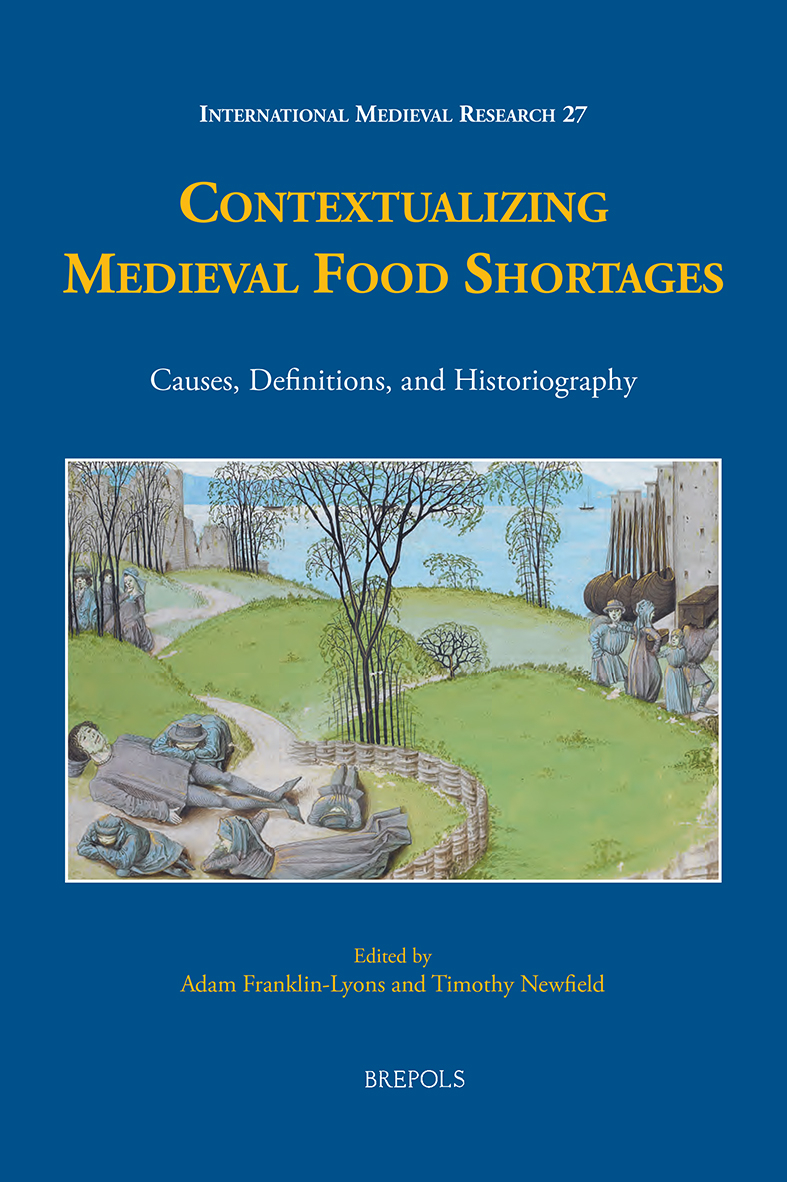


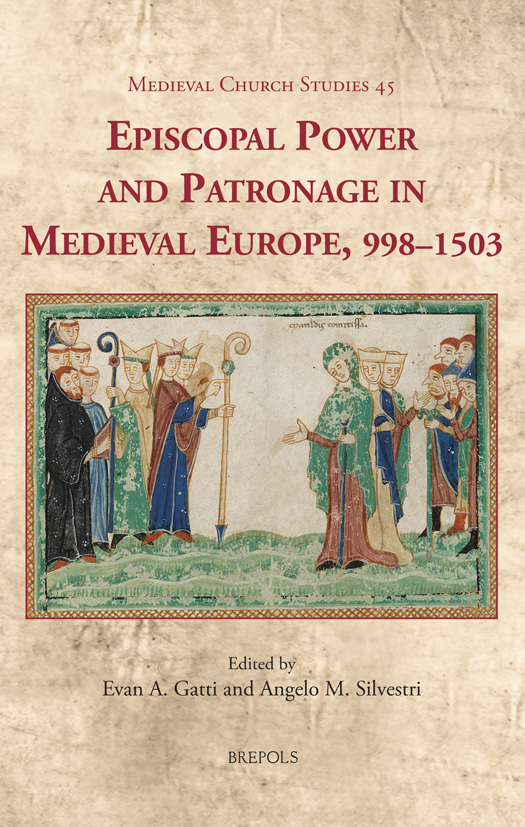


 Innovation and Medieval Communities
The Circulation of Ideas and Practices in and out of the Town (1200-1500)
Volume 63
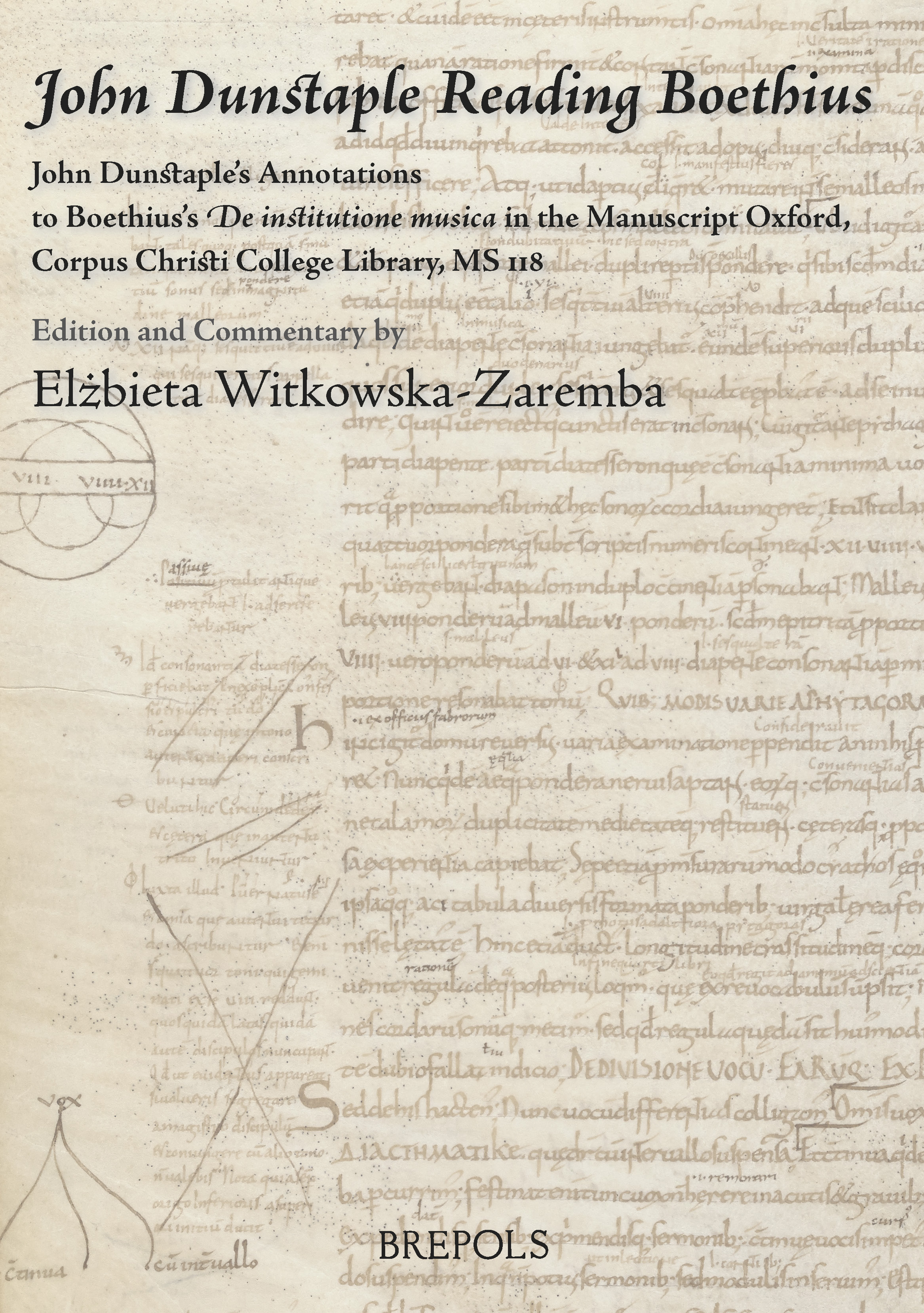 John Dunstaple Reading Boethius
John Dunstaple’s Annotations to Boethius’s “De institutione musica” in the Manuscript Oxford, Corpus Christi College Library, MS 118
 Linguistic and Cultural Dynamics in a Frontier Society
New Perspectives on Northeastern Bavaria and Western Bohemia in the Early Middle Ages
Volume 9
 Medieval Debates on Foreknowledge: Future Contingents, Prophecy, and Divination
Acts of the XXVII Annual Colloquium of the SIEPM, Trento 12-15 September 2023
Volume 31
 Medieval Yeghegis, Armenia
History, Archaeology, Society. Local Multiplicities and Global Connections of a Rural Centre on the Silk Road(s)


 Power and Women in Southeast and Central Europe in Late Medieval and Early Modern Period (1300-1600)
Volume 10


 The Anglo-Norman Bible’s Books of Kings, a Critical Edition
(BL Royal 1 C III, fols 234r-274v)
Volume 37


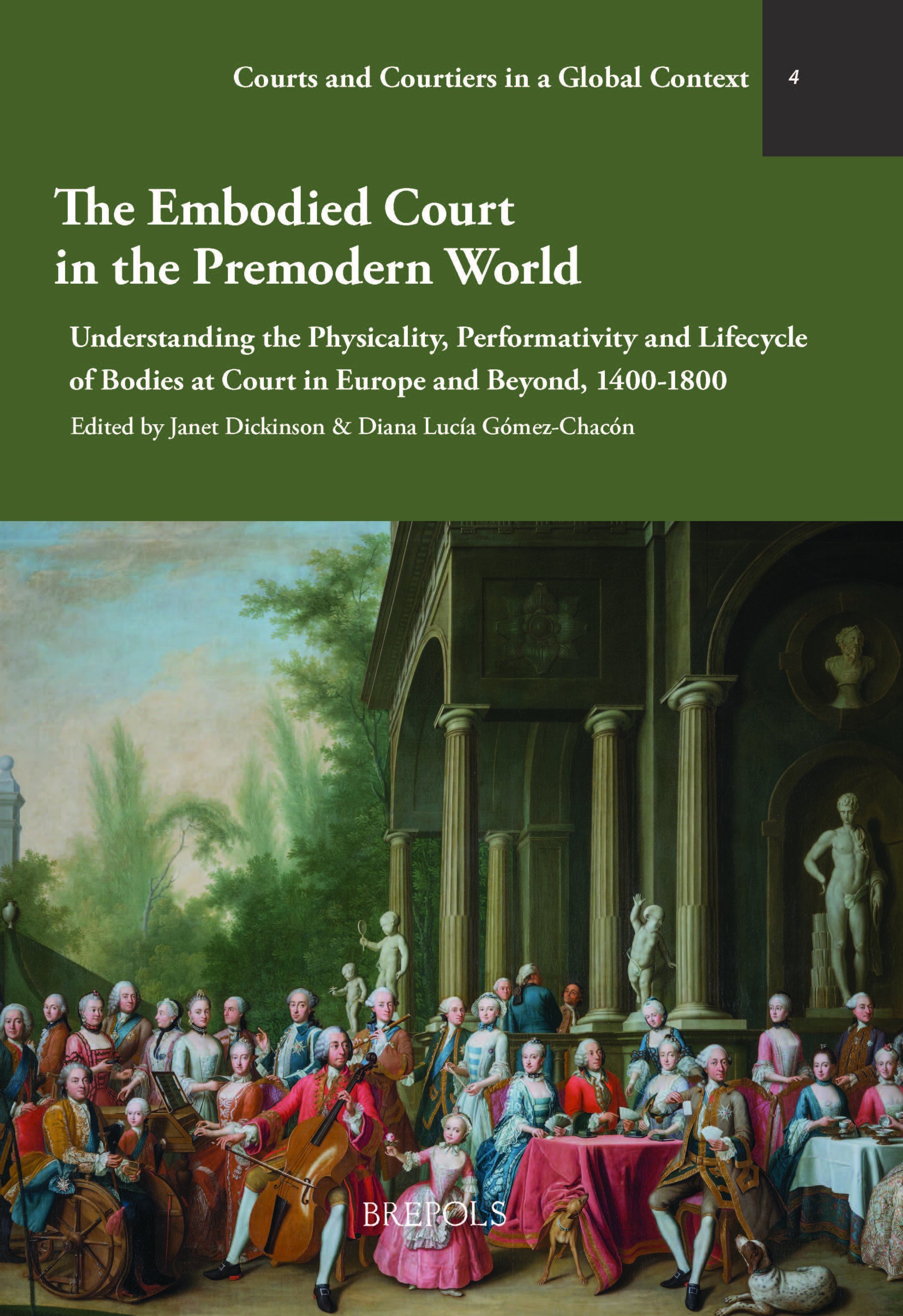 The Embodied Court in the Premodern World
Understanding the Physicality, Performativity and Lifecycle of Bodies at Court in Europe and Beyond, 1400-1800
Volume 4


 The Middle English ‘Medicines for Horses’
Edited from the Manuscript formerly at Kensington Palace, HRH Duke of Gloucester MS s.n. (olim York House MS 45)
Volume 69
