
Erinnerte Macht
Antike Herrschergräber in transkultureller Perspektive
Edited by Dietrich Boschung Edited by Alfred Schäfer Edited by Marcus Trier

Paperback (Published)
(March 2021)
ISBN: 9783770566242
6.1 x 9.25 inches
Price: $87.00
On back order
Among the guiding forms of the ancient empires of East Asia and Western antiquity are exposed graves of leading personalities. The contributions examine how the tomb complexes formed the memory of the dead, at the same time reflecting the values of their time and contributing to the stabilization of the existing order
- Edited by Dietrich Boschung
- Edited by Alfred Schäfer
- Edited by Marcus Trier
Other Titles in this Series
 Effigies
Ancient Portraiture as Figuration of the Particular. Translated from German by Ross Brendle
Volume 53


Similar Books
 A Collaborative Tapestry in Honour of Shirley Ann Brown / Une fresque brodée en l’honneur de Shirley Ann Brown
The Bayeux Tapestry Seen by her Colleagues and Friends / La Tapisserie de Bayeux vue par ses collègues et amis


 Balthasar Caymox of Nuremberg
Early Modern German Print Publishers: Popular Prints of the Seventeenth Century


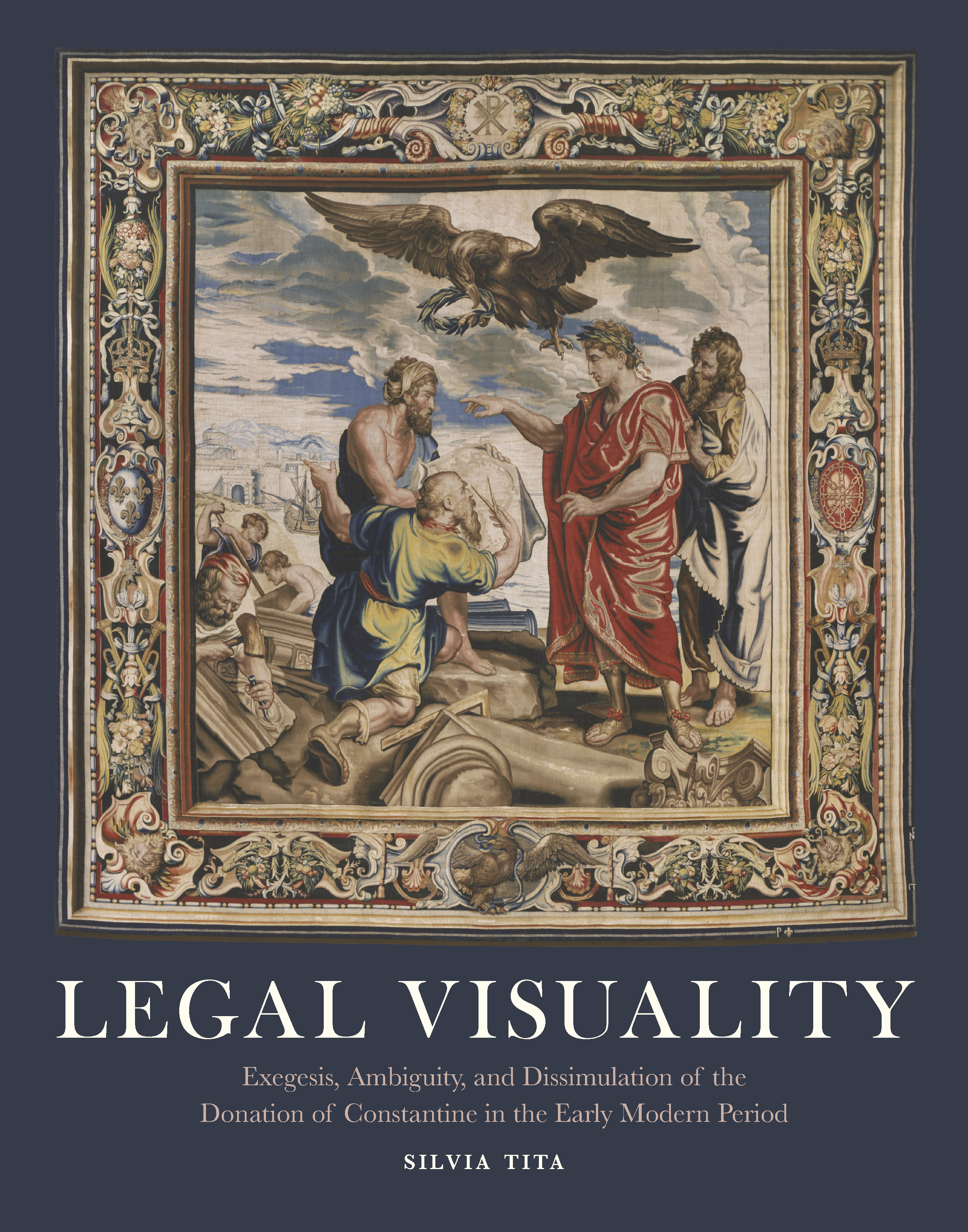 Legal Visuality
Exegesis, Ambiguity, and Dissimulation of the Donation of Constantine in the Early Modern Period
 Monastic Manuscripts from the Eastern Mediterranean (Sinai, Jerusalem, Antioch)
Production, Use, and Contexts
 Naples as Laboratory / Laboratorium Neapel
Style Options, Artistic Rivalry and Self Fashioning in Neapolitan Baroque Painting / Plurale Stilbildung, Kunstlerkonkurrenz und Self Fashioning in der neapolitanischen Barockmalerei
 Nurturing the Elite
Representations of Drinking, Eating, and Religious Vessels in Palmyrene Funerary Iconography
Volume 13


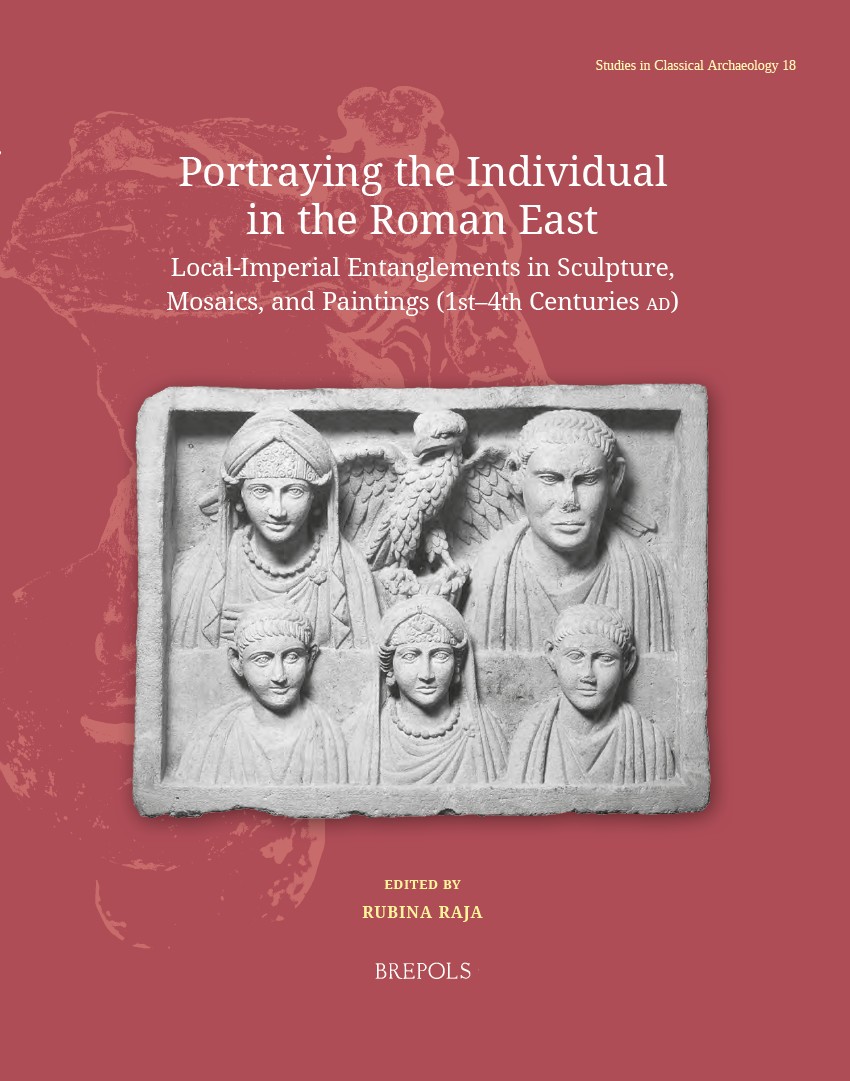 Portraying the Individual in the Roman East
Local–Imperial Entanglements in Sculpture, Mosaics, and Paintings (First–Fourth Centuries AD)
Volume 18


 Technical Studies of Asian Art
Proceedings of the Seventh Forbes Symposium at the Freer Gallery of Art


 Tricks of the Medieval Trades
The Trinity Encyclopedia, a collection of 14th century English craft recipes
 Venice Reimagined
The Resurgence of View Painting in Venice after the Fall of the Serenissima between 1797 and 1866


 Women’s Legacies in Natural Studies, Health, and Liberal Arts
Proceedings of the Second Annual International Women in the Arts Conference
Volume 4
 Writing in the Church of the Nativity in Bethlehem
Inscription and Graffiti in a Multilingual and Multigraphic Perspective
Volume 45


