
Dukat und griechisch-orthodoxes Patriarchat von Antiocheia in mittelbyzantinischer Zeit (969-1084)
by Klaus-Peters Todt

English summary: While ancient Antioch led a shadowy existence under Arab rule from 636/637 to 969 AD, after its reconquest (969-1084) by Byzantium the city became the administrative center of what was at times probably the most important military province of the Byzantine Empire. This study narrates the history of Antioch and Northern Syria during the Middle Byzantine period and describes the reorganization of Cilicia under the Dux (or Katepano) of the imperial province of Antioch. It is shown that the civil administration of the province did not differ from other imperial provinces. Its peculiarity rather lay in the fact that it posessed a Greek Orthodox (Melkitic) but in early Islamic times linguistically Arabized demographic majority, which was organized into the Patriarchate of Antioch. The study demonstrates how the patriarchate was reintegrated into the imperial church after 969 and structurally adapted to the model of the Patriarchate of Constantinople. German description: Hatte das antike Antiocheia unter der arabischen Herrschaft von 636/637 bis 969 n.Chr. eher ein Schattendasein gefuhrt, so stieg die Stadt nach ihrer Ruckeroberung (969-1084) durch Byzanz zum Verwaltungszentrum des zeitweise wohl wichtigsten Militargouvernements des Byzantinischen Reiches auf. Klaus-Peter Todt stellt in seiner Studie die Geschichte Antiocheias und Nordsyriens in mittelbyzantinischer Zeit dar und beschreibt die Neuorganisation Kilikiens unter dem Dux bzw. Katepano der Reichsprovinz Antiocheia. Es wird gezeigt, dass sich die Zivilverwaltung der Provinz, soweit sie mit Hilfe der sigillografischen Uberlieferung rekonstruierbar ist, nicht von anderen Reichsprovinzen unterschied. Die Besonderheit der Provinz bestand vielmehr darin, dass hier eine griechisch-orthodoxe (melkitische), aber in fruhislamischer Zeit sprachlich arabisierte Bevolkerungsmehrheit dominierte, die im Patriarchat von Antiocheia organisiert war. Todt zeigt, wie dieses nach 969 in die Reichskirche reintegriert und strukturell an das Vorbild des Patriarchates von Konstantinopel angepasst wurde. Ausfuhrlich werden auch die Katholikate des Patriarchats ostlich des Euphrat und die Beziehungen zwischen dem Patriarchat und Georgien behandelt, ausserdem die zugehorigen Kirchenprovinzen und die dort nachweisbaren Kloster.
English summary: While ancient Antioch led a shadowy existence under Arab rule from 636/637 to 969 AD, after its reconquest (969-1084) by Byzantium the city became the administrative center of what was at times probably the most important military province of the Byzantine Empire. This study narrates the history of Antioch and Northern Syria during the Middle Byzantine period and describes the reorganization of Cilicia under the Dux (or Katepano) of the imperial province of Antioch. It is shown that the civil administration of the province did not differ from other imperial provinces. Its peculiarity rather lay in the fact that it posessed a Greek Orthodox (Melkitic) but in early Islamic times linguistically Arabized demographic majority, which was organized into the Patriarchate of Antioch. The study demonstrates how the patriarchate was reintegrated into the imperial church after 969 and structurally adapted to the model of the Patriarchate of Constantinople. German description: Hatte das antike Antiocheia unter der arabischen Herrschaft von 636/637 bis 969 n.Chr. eher ein Schattendasein gefuhrt, so stieg die Stadt nach ihrer Ruckeroberung (969-1084) durch Byzanz zum Verwaltungszentrum des zeitweise wohl wichtigsten Militargouvernements des Byzantinischen Reiches auf. Klaus-Peter Todt stellt in seiner Studie die Geschichte Antiocheias und Nordsyriens in mittelbyzantinischer Zeit dar und beschreibt die Neuorganisation Kilikiens unter dem Dux bzw. Katepano der Reichsprovinz Antiocheia. Es wird gezeigt, dass sich die Zivilverwaltung der Provinz, soweit sie mit Hilfe der sigillografischen Uberlieferung rekonstruierbar ist, nicht von anderen Reichsprovinzen unterschied. Die Besonderheit der Provinz bestand vielmehr darin, dass hier eine griechisch-orthodoxe (melkitische), aber in fruhislamischer Zeit sprachlich arabisierte Bevolkerungsmehrheit dominierte, die im Patriarchat von Antiocheia organisiert war. Todt zeigt, wie dieses nach 969 in die Reichskirche reintegriert und strukturell an das Vorbild des Patriarchates von Konstantinopel angepasst wurde. Ausfuhrlich werden auch die Katholikate des Patriarchats ostlich des Euphrat und die Beziehungen zwischen dem Patriarchat und Georgien behandelt, ausserdem die zugehorigen Kirchenprovinzen und die dort nachweisbaren Kloster.
- By (author) Klaus-Peters Todt
Other Titles in this Series


 Center, Province and Periphery in the Age of Constantine VII Porphyrogennetos
From De Ceremoniis to De Administrando Imperio
Volume 15


 Thomas Magistros und die spatbyzantinische Sophistik
Studien zum Humanismus urbaner Eliten in der fruhen Palaiologenzeit
Volume 10

 Rom in Gemeinschaft mit Konstantinopel
Patriarch Johannes XI. Bekkos als Verteidiger der Kirchenunion von Lyon (1274)
Volume 8


Similar Books
 A Collaborative Tapestry in Honour of Shirley Ann Brown / Une fresque brodée en l’honneur de Shirley Ann Brown
The Bayeux Tapestry Seen by her Colleagues and Friends / La Tapisserie de Bayeux vue par ses collègues et amis
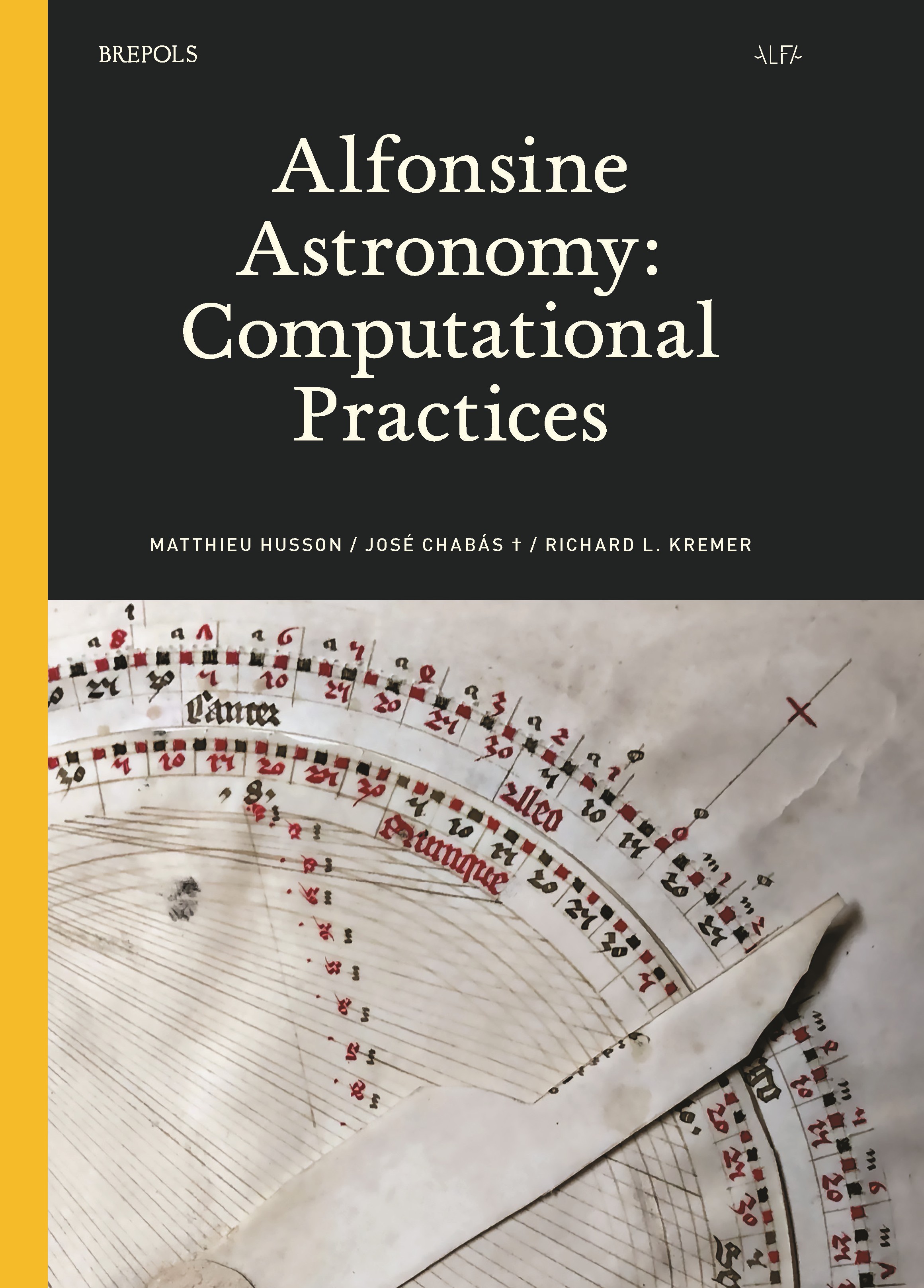
 Behind the Scenes of Medieval Roofs
An Overview of the Roofing Systems of Italian Churches
Volume 90


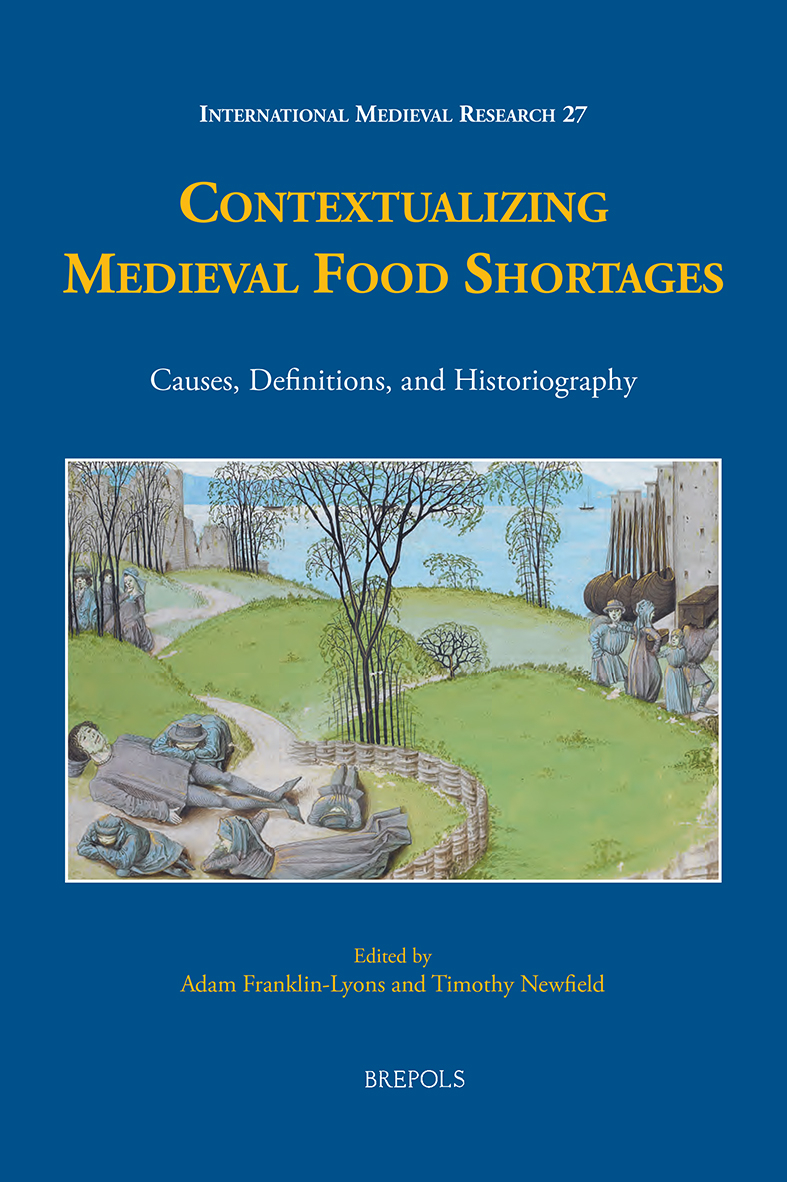


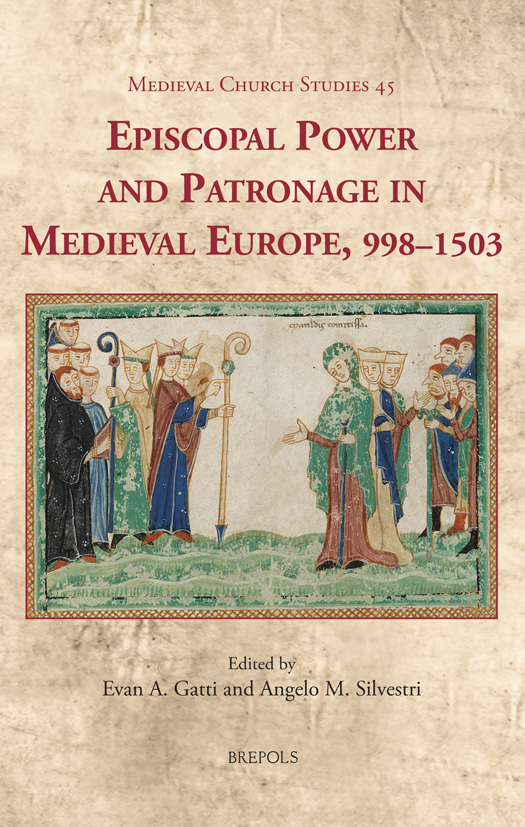


 Innovation and Medieval Communities
The Circulation of Ideas and Practices in and out of the Town (1200-1500)
Volume 63
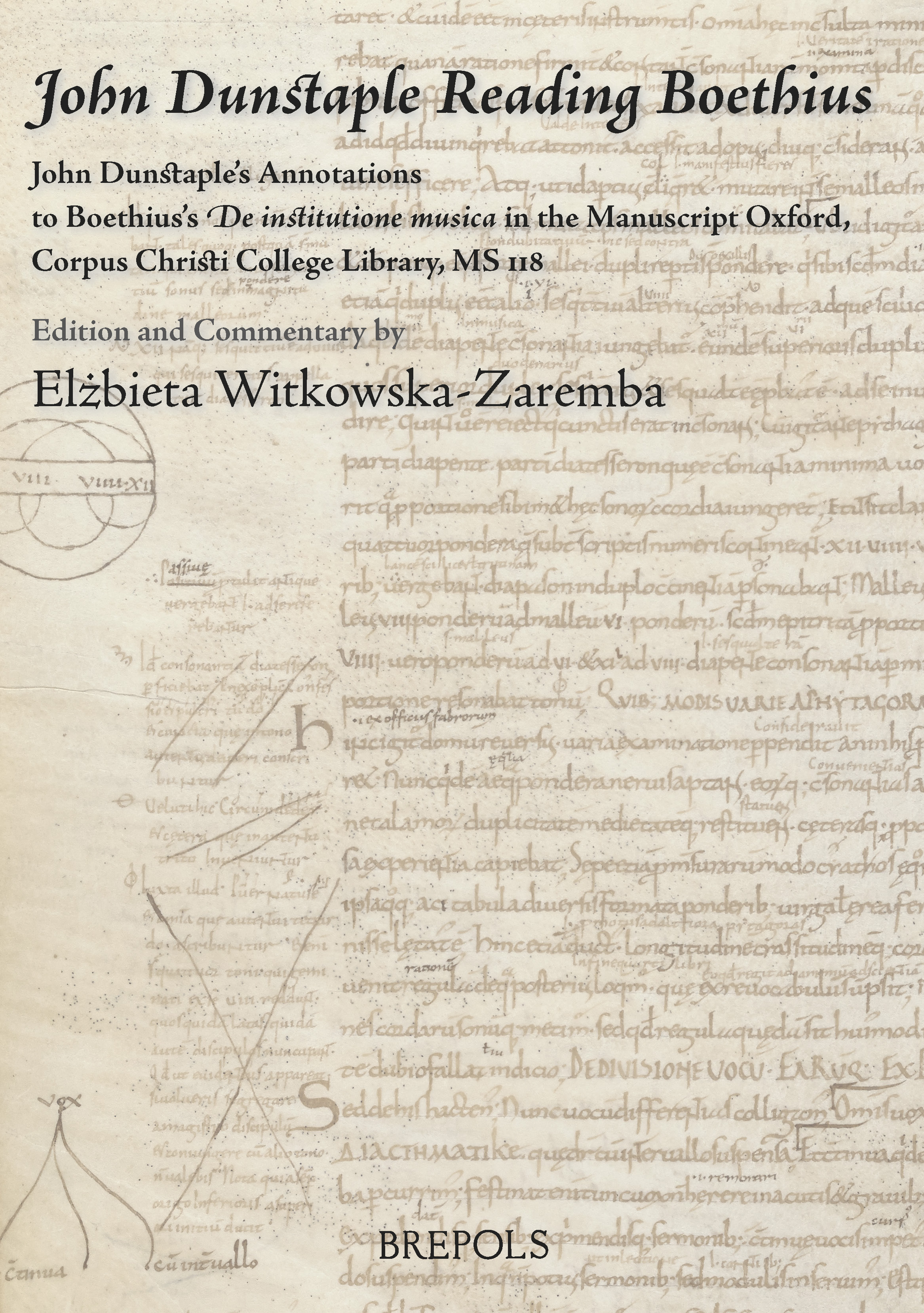 John Dunstaple Reading Boethius
John Dunstaple’s Annotations to Boethius’s “De institutione musica” in the Manuscript Oxford, Corpus Christi College Library, MS 118
 Linguistic and Cultural Dynamics in a Frontier Society
New Perspectives on Northeastern Bavaria and Western Bohemia in the Early Middle Ages
Volume 9
 Medieval Debates on Foreknowledge: Future Contingents, Prophecy, and Divination
Acts of the XXVII Annual Colloquium of the SIEPM, Trento 12-15 September 2023
Volume 31
 Medieval Yeghegis, Armenia
History, Archaeology, Society. Local Multiplicities and Global Connections of a Rural Centre on the Silk Road(s)


 Power and Women in Southeast and Central Europe in Late Medieval and Early Modern Period (1300-1600)
Volume 10


 The Anglo-Norman Bible’s Books of Kings, a Critical Edition
(BL Royal 1 C III, fols 234r-274v)
Volume 37


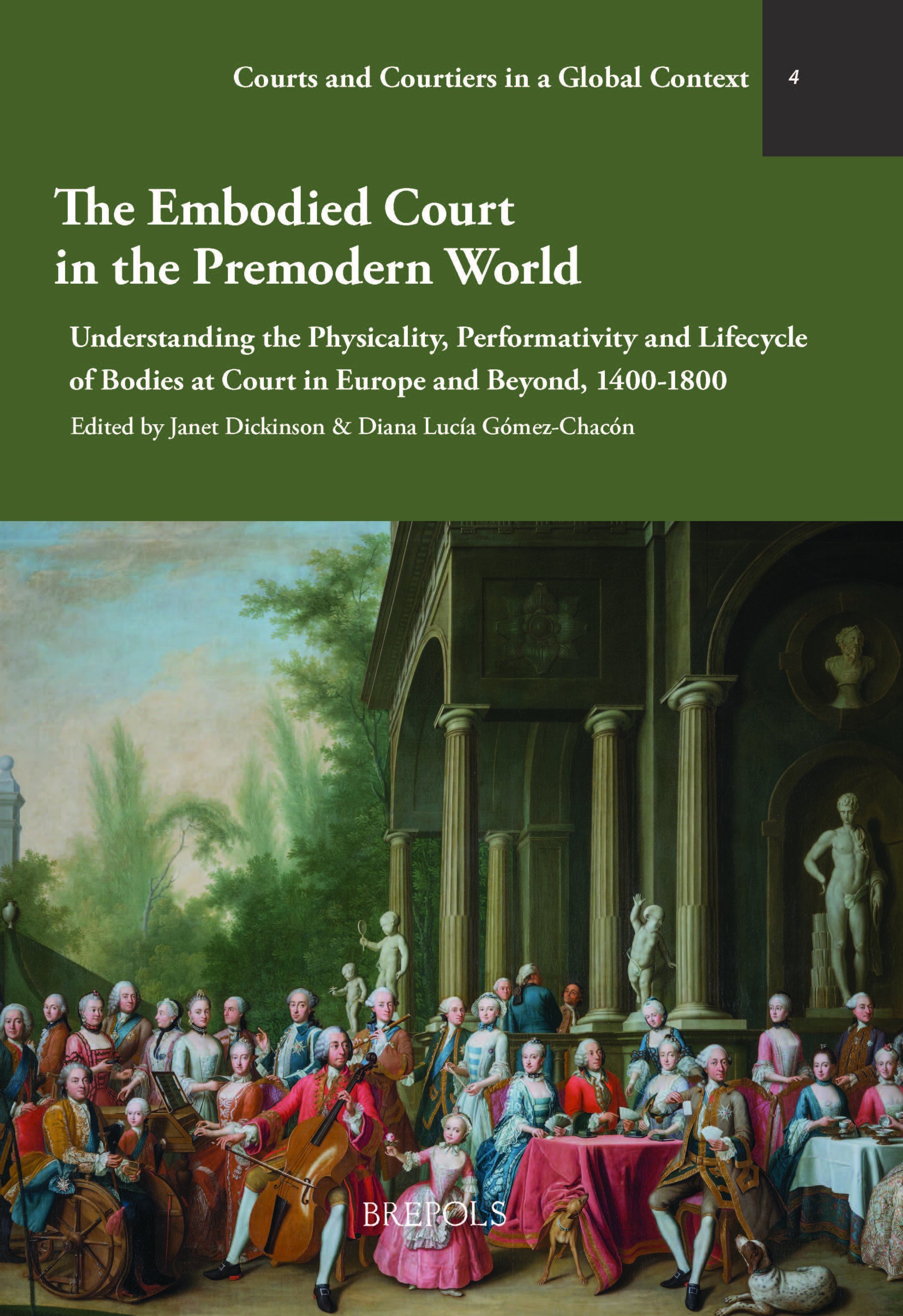 The Embodied Court in the Premodern World
Understanding the Physicality, Performativity and Lifecycle of Bodies at Court in Europe and Beyond, 1400-1800
Volume 4


 The Middle English ‘Medicines for Horses’
Edited from the Manuscript formerly at Kensington Palace, HRH Duke of Gloucester MS s.n. (olim York House MS 45)
Volume 69
