
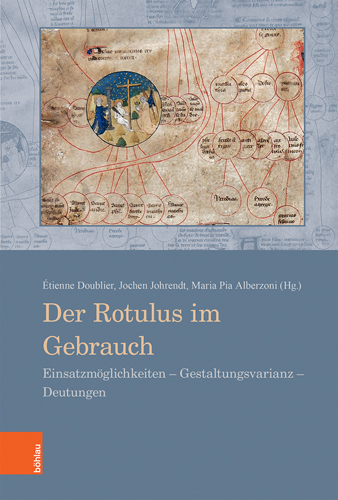
Der Rotulus im Gebrauch
Einsatzmöglichkeiten - Gestaltungsvarianz - Deutungen
Contributions by Pia Maria Alberzoni Contributions by Étienne Doublier Contributions by Jochen Johrendt Contributions by Nine Miedema Contributions by Elena Vanelli Contributions by Bastian Walter-Bogedain Contributions by Igor Santos Salazar Contributions by Christian Lackner Contributions by Lucia Dell'Asta Contributions by Mark Mersiowsky Contributions by Barbara Bombi Contributions by Pietro Maria Silanos Contributions by Miriam Rita Tessera Contributions by Annafelicia Zuffrano Contributions by Lorenza Iannacci Contributions by Alberto Spataro Contributions by Paolo M. Galimberti Contributions by Riccardo Parmeggiani Contributions by Alfredo Lucioni Contributions by Johannes Burkard Contributions by Maurizio Della Porta Edited by Étienne Doublier Edited by Jochen Johrendt Edited by Maria Pia Alberzoni
Hardback (Published)
(April 2020)
ISBN: 9783412518028
6.34 x 9.25 inches
Price: $113.00
In stock
Rotuli (auch Rodel/Rotel/Rodel) sind in Rollenform aufbewahrte Papyrus-, Pergament- oder Papierstucke. Der Band leuchtet ihre unterschiedliche Verwendungsmoglichkeit vorrangig an deutschen und italienischen Beispielen des hohen und spaten Mittelalters aus.
English summary: Rotuli (also Rodel / Rotel / Rodel) are pieces of papyrus, parchment or paper stored in rolls. The volume sheds light on their different uses, primarily using German and Italian examples from the late and late Middle Ages. Why were universal chronicles or travel literature recorded in the form of a Rotulus, why can Rotuli be increasingly used as administrative items of use from the late 11th century? One focus is on the economic as well as the legal-administrative area. Here, the rotuli are not only an indicator of fundamental changes, they also show a changed access to resources and a rationalization of administrative processes. The last section is devoted to the archiving and recording of the rotuli in the archives. German description: Rotuli (auch Rodel/Rotel/Rodel) sind in Rollenform aufbewahrte Papyrus-, Pergament- oder Papierstucke. Der Band leuchtet ihre unterschiedliche Verwendungsmoglichkeit vorrangig an deutschen und italienischen Beispielen des hohen und spaten Mittelalters aus. Warum wurden etwa Universalchroniken oder Reiseliteratur in Form eines Rotulus aufgezeichnet, wieso lassen sich Rotuli vermehrt ab dem ausgehenden 11. Jahrhundert als administrative Gebrauchsstucke fassen? Ein Schwerpunkt liegt dabei auf dem okonomisch- sowie dem juristisch-administrativen Bereich. Hier sind die Rotuli nicht nur ein Indikator fur grundlegende Wandlungen, sie zeigen auch einen veranderten Zugriff auf Ressourcen sowie eine Rationalisierung von Verwaltungsprozessen. Die letzte Sektion widmet sich der Archivierung und Erfassung der Rotuli in den Archiven, die oftmals nicht als Rotuli, sondern beispielsweise lediglich als Heberegister erfasst wurden, ohne dass die materielle Form der Rotuli Berucksichtigung fand.
- Contributions by Pia Maria Alberzoni
- Contributions by Étienne Doublier
- Contributions by Jochen Johrendt
- Contributions by Nine Miedema
- Contributions by Elena Vanelli
- Contributions by Bastian Walter-Bogedain
- Contributions by Igor Santos Salazar
- Contributions by Christian Lackner
- Contributions by Lucia Dell’Asta
- Contributions by Mark Mersiowsky
- Contributions by Barbara Bombi
- Contributions by Pietro Maria Silanos
- Contributions by Miriam Rita Tessera
- Contributions by Annafelicia Zuffrano
- Contributions by Lorenza Iannacci
- Contributions by Alberto Spataro
- Contributions by Paolo M. Galimberti
- Contributions by Riccardo Parmeggiani
- Contributions by Alfredo Lucioni
- Contributions by Johannes Burkard
- Contributions by Maurizio Della Porta
- Edited by Étienne Doublier
- Edited by Jochen Johrendt
- Edited by Maria Pia Alberzoni
Other Titles in this Series

 Die lateinische Schriftkultur in den böhmischen Ländern bis zum 12. Jahrhundert
Handschriften, Fragmente und Skriptoria
 Das päpstliche Corporate Design
Quellen zur äußeren Ausstattung von Papsturkunden im hohen und späten Mittelalter
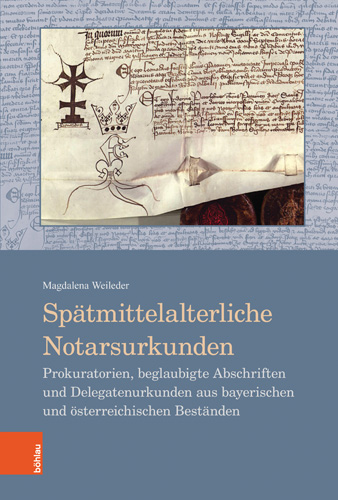 Spätmittelalterliche Notarsurkunden
Prokuratorien, beglaubigte Abschriften und Delegatenurkunden aus bayerischen und österreichischen Beständen
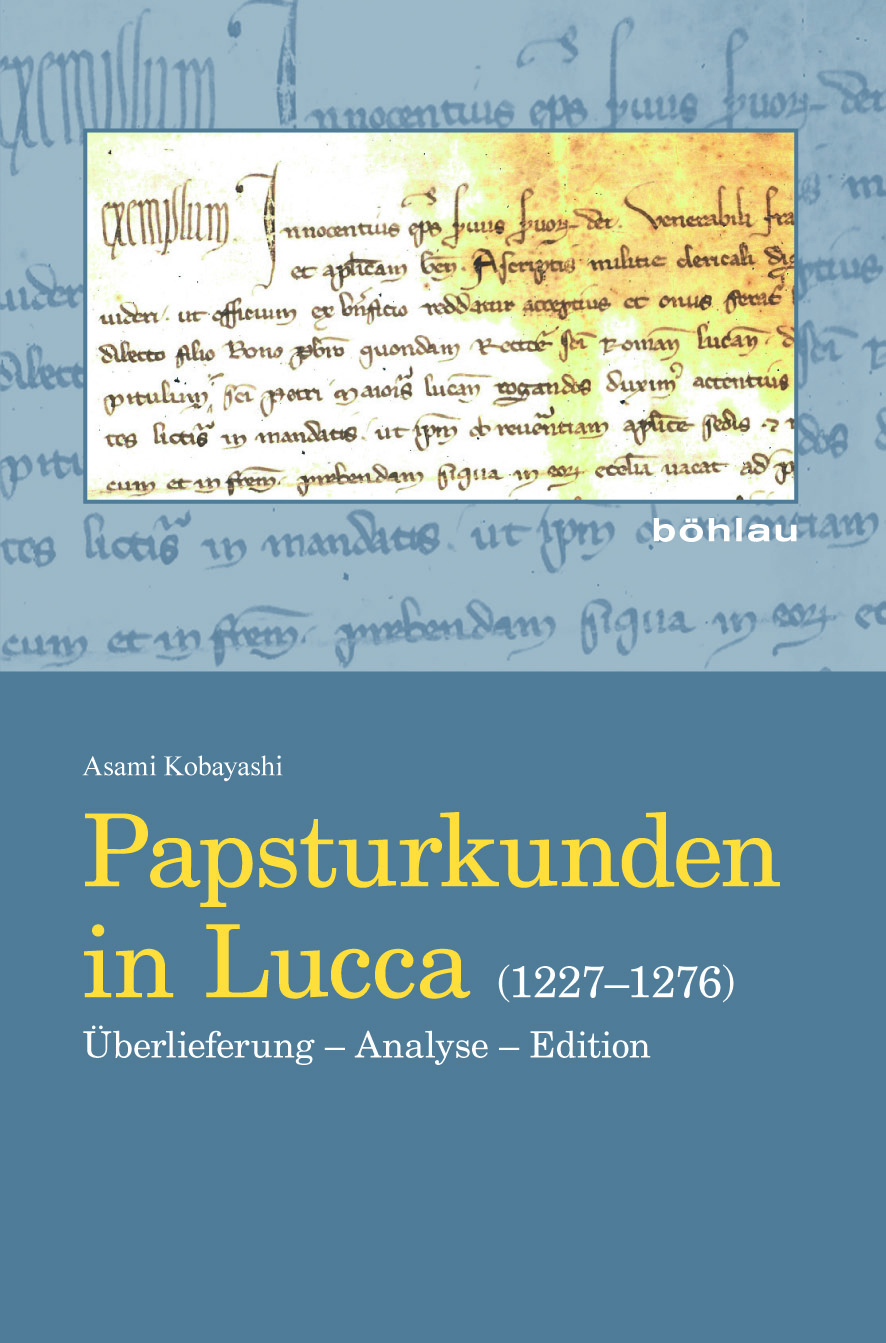
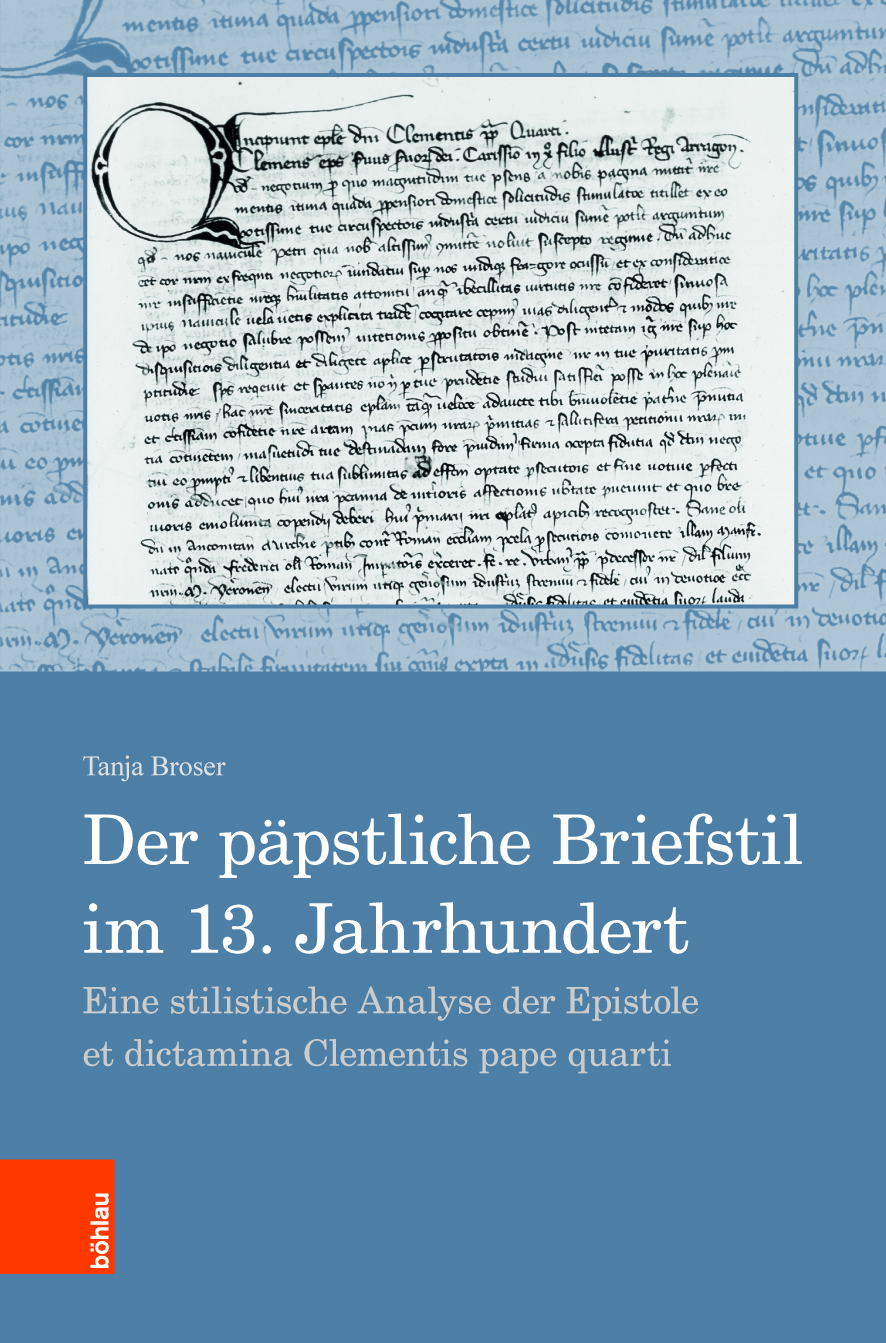 Der päpstliche Briefstil im 13. Jahrhundert
Eine stilistische Analyse der Epistole et dictamina Clementis pape quarti

 Fiat finis et pax
Instrumentarien und Praktiken des Frieden-Schließens im östlichen Oberitalien (9.–13. Jahrhundert)
Similar Books
 «Solazoxa festa, stradolze e stracomplia»
Festschrift für Raymund Wilhelm zum 65. Geburtstag mit Beiträgen zu Diskurstraditionen und mittelalterlicher Philologie
Volume 249
 A Collaborative Tapestry in Honour of Shirley Ann Brown / Une fresque brodée en l’honneur de Shirley Ann Brown
The Bayeux Tapestry Seen by her Colleagues and Friends / La Tapisserie de Bayeux vue par ses collègues et amis

 Behind the Scenes of Medieval Roofs
An Overview of the Roofing Systems of Italian Churches
Volume 90

 Cahiers de recherches médiévales et humanistes – Journal of Medieval and Humanistic Studies
Volume 51







 Innovation and Medieval Communities
The Circulation of Ideas and Practices in and out of the Town (1200-1500)
Volume 63
 John Dunstaple Reading Boethius
John Dunstaple’s Annotations to Boethius’s “De institutione musica” in the Manuscript Oxford, Corpus Christi College Library, MS 118

 Medieval Debates on Foreknowledge: Future Contingents, Prophecy, and Divination
Acts of the XXVII Annual Colloquium of the SIEPM, Trento 12-15 September 2023
Volume 31

 Medieval Yeghegis, Armenia
History, Archaeology, Society. Local Multiplicities and Global Connections of a Rural Centre on the Silk Road(s)

 Nicholas of Lyra’s Commentaries on the Gospels of Matthew and Luke
Franciscan Exegesis in a Time of Crisis
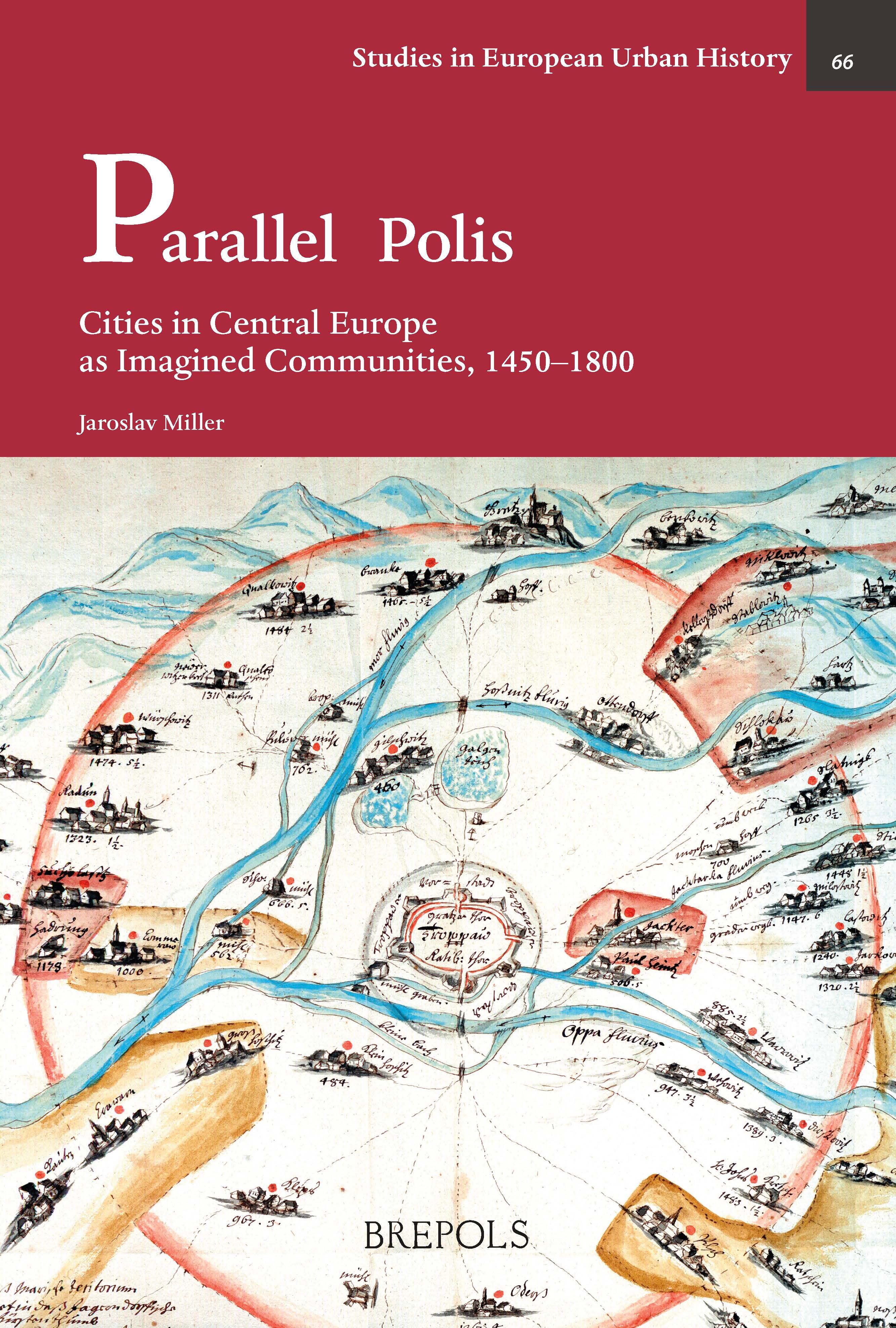


 Power and Women in Southeast and Central Europe in Late Medieval and Early Modern Period (1300-1600)
Volume 10

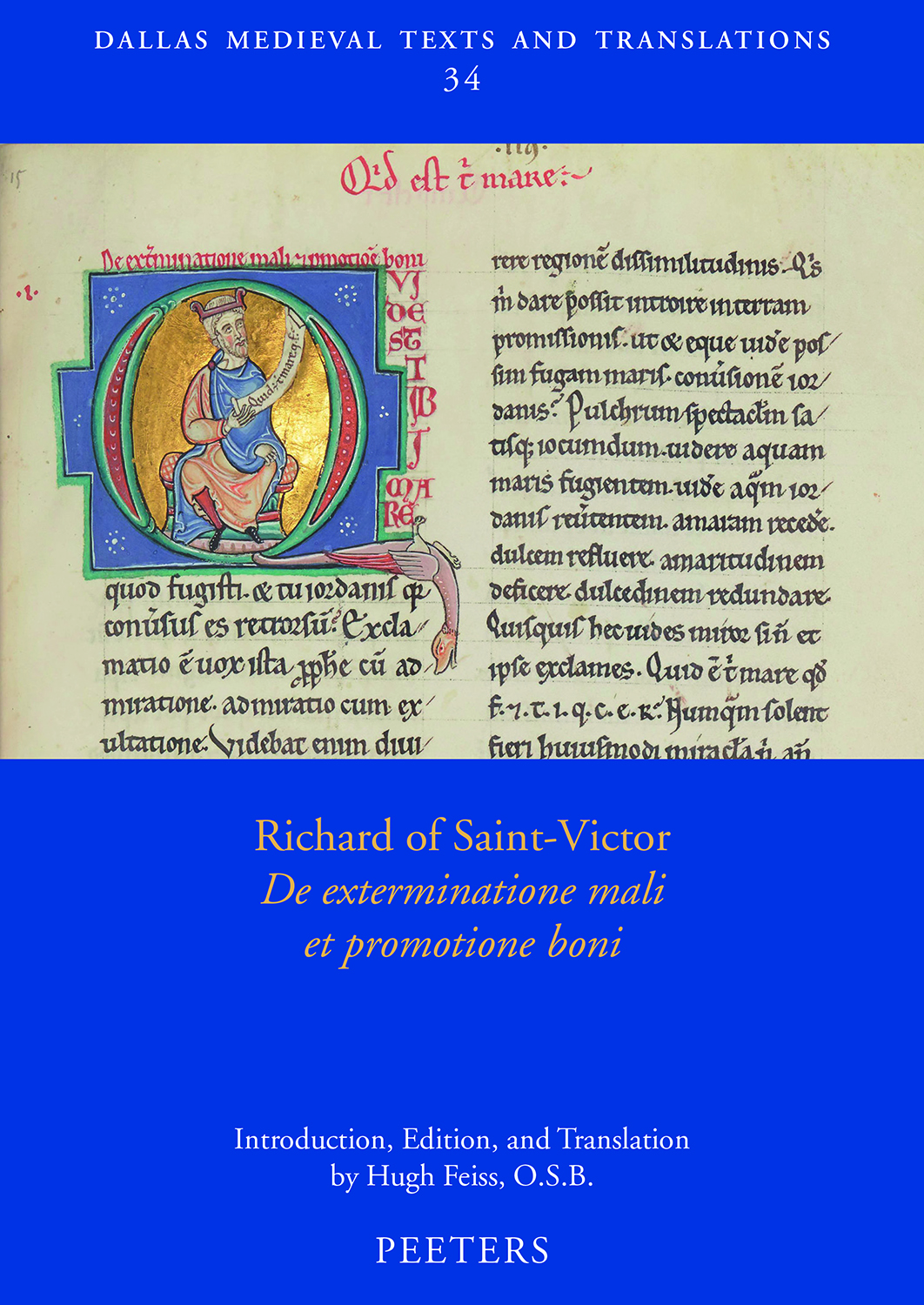



 The Anglo-Norman Bible’s Books of Kings, a Critical Edition
(BL Royal 1 C III, fols 234r-274v)
Volume 37
