
Defensible Sites in Crete c.1200-800 BC (LM IIIB/IIIC through Early Geometric)
by K. Nowicki

Hardback (Published)
(December 2000)
ISBN: 9781935488156
Price: $95.00
On back order
Shortly before 1200 B.C. the Aegean, and soon afterwards much of the East Mediterranean, was shaken by disturbances and destructions which considerably changed the settlement patterns, as well as the political and social structures of those lands. This led to the decline of the Mycenaean world which eventually caused the so-called Dark Age in Greece. Crete, being an island located on the cross-roads between the Greek Mainland, Sicily and South Italy, and the Levant, may have been particularly affected by the problems referred to in ancient written sources under the name of “the Sea Peoples”. The Dark Age in Crete is potentially better represented than in other areas of the Aegean and explorations in the mountainous hinterland of the island have shown site numbers and a density of habitation only vaguely suggested by the excavated samples of sites. This book is based on fifteen years of field research presenting about 120 defensible sites with comprehensive descriptions, sketches, plans and illustrations of surface pottery. Archaeological evidence (in a large part hitherto unpublished) is analysed in detail to reconstruct changes in settlement patterns alongside the political, social, ethnic and economic aspects of the Dark Age society in Crete. The problem of the function of defensible and fortified sites during the Dark Age is examined against a more general background of similar sites on the island from the Neolithic through the Bronze Age. The phenomenon of defensible settlements founded c. 1200 B.C. is discussed here in a wider Mediterranean context with reference to other Aegean islands, Cyprus and the Levant. One chapter presents the historical written sources from the Near East and Egypt which contain references to events that might have caused the dramatic changes suggested in archaeological evidence towards the end of the Bronze Age.
- By (author) Krzysztof Nowicki
Other Titles in this Series


 Fylo. Engendering Prehistoric ‘Stratigraphies’ in the Aegean and the Mediterranean
Proceedings of an International Conference, University of Crete, Rethymno 2-5 June 2005
Volume 30

Similar Books

 Caesar’s Visions and Impact on the Roman Empire
Revisiting the Archaeological and Historical Record of the 40s BC
Volume 2


 Drunk the Potion, No Whit Charmed
The Doctrine of Pure and Perfect Souls from Iamblichus to Damascius

 Epiphanies of the Divine in the Septuagint and the New Testament
Fifth International Symposium of the Corpus Judaeo-Hellenisticum Novi Testamenti (CJHNT), 14-17 May 2015, Nottingham


 Etruscan and Roman Hellenistic Anatomical ex votos
Reassessing Popular Religious Expressions in Central Italy
Volume 8


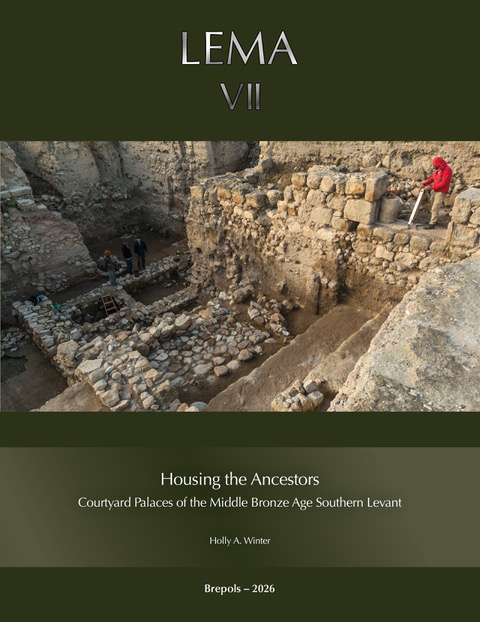

 Invisible Labour in Antiquity
Visualizing Obscure Work in the Ancient Mediterannean and West Asia
Volume 1
 Language and Power in the Roman Empire and Early India
Hierarchy, Ambiguity, and the Art of Reading the Signs in Cosmopolitan Cultures
 Late Antique villae in the Balkans (3rd–7th c. AD): Current Research Questions and Perspectives
HAEMUS Companion to the Late Antique Balkans 1
Volume 4

 Nurturing the Elite
Representations of Drinking, Eating, and Religious Vessels in Palmyrene Funerary Iconography
Volume 13


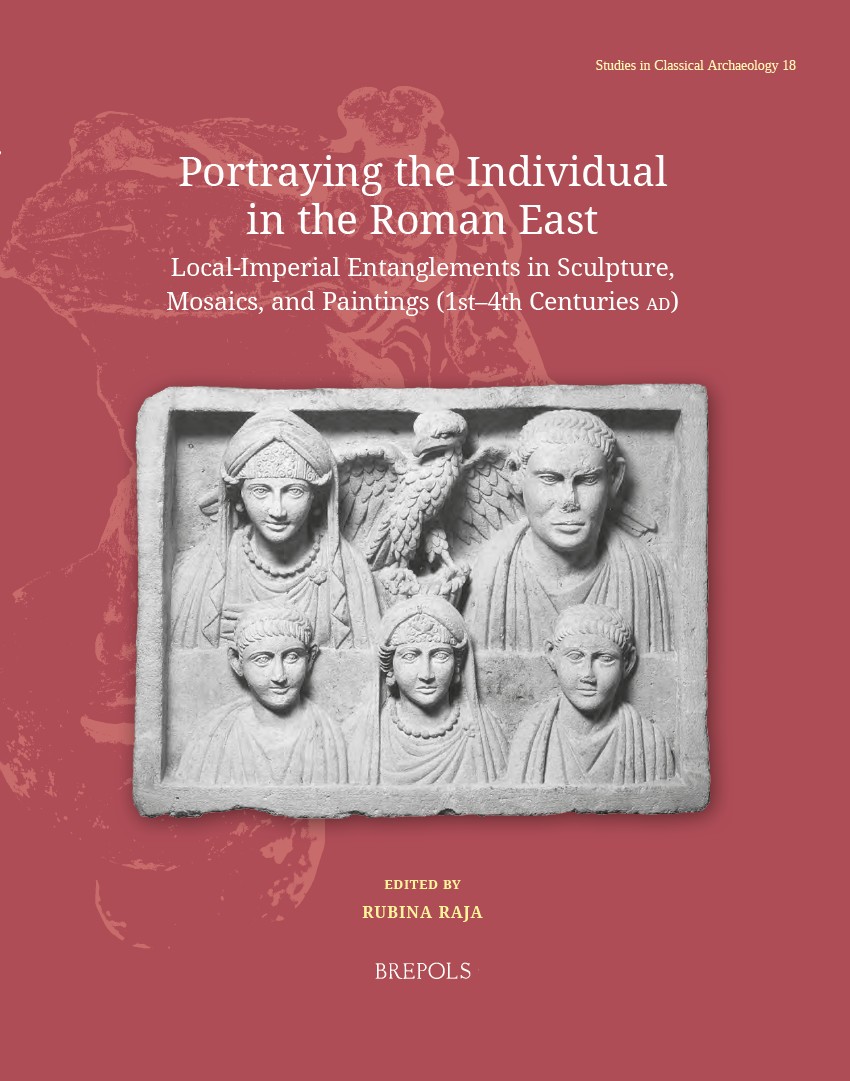 Portraying the Individual in the Roman East
Local–Imperial Entanglements in Sculpture, Mosaics, and Paintings (First–Fourth Centuries AD)
Volume 18

 Small Worlds and Relational Agencies: Local Societies in Early Medieval Iberia
Pequeños mundos y Agencias relacionales: Sociedades locales altomedievales en la Península Ibérica
 The Compositional History of the Book of Kings
An Analysis of the Evaluative Frameworks in 1 Kings 14–2 Kings 25

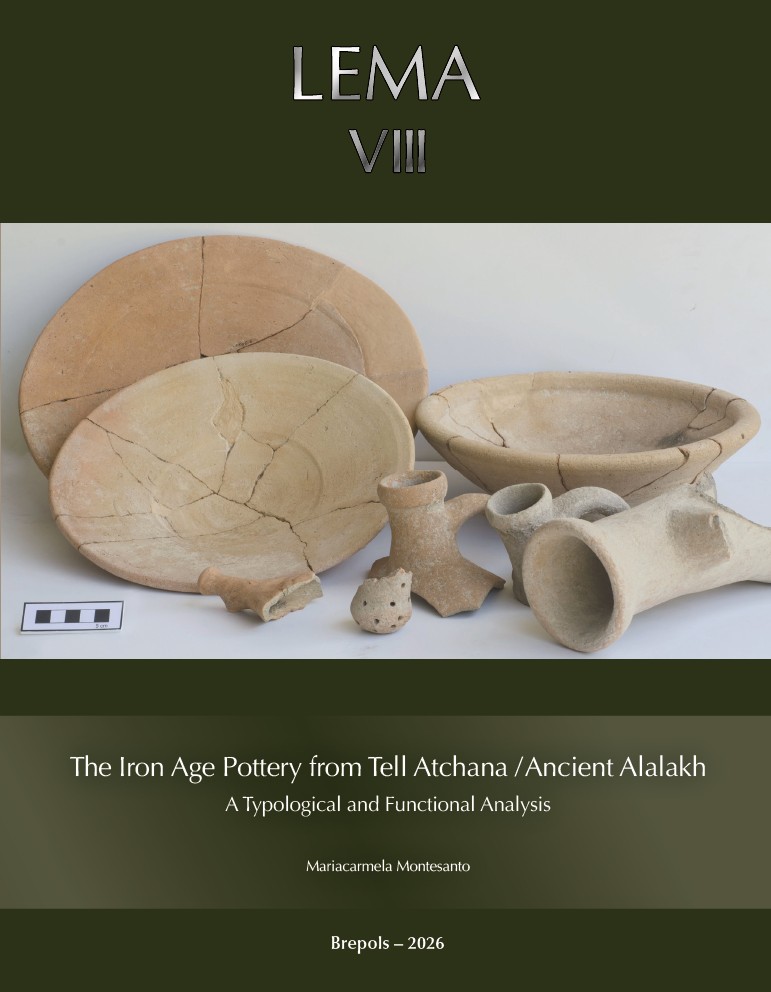 The Iron Age Pottery from Tell Atchana / Ancient Alalakh
A Typological and Functional Analysis
Volume 8

 Writing in the Church of the Nativity in Bethlehem
Inscription and Graffiti in a Multilingual and Multigraphic Perspective
Volume 45
 Contesting Labeled Identities
The Sociology of Gentilics in Biblical and Northwest Semitic Literature


 After Life in Roman Paganism. L’Égypte des astrologues. Les Mages hellénisés
Introductions historiographiques
Volume 7

 Atlante tematico di topografia antica 36-2026
Urbanistica e monumenti, porti, Roma. Ricerche sui monti Aurunci
Volume 36
 Cerámica común romana y ciclo haliéutico
Análisis de los contextos de las cetariae de Iulia Traducta


 Diodor über den ersten Sklavenaufstand auf Sizilien
Ein philologischer und historischer Kommentar
Volume 67