
Daily Life on the Istrian Frontier
Living on a Borderland in the Sixteenth Century
By (author) Robert Kurelic

This volume also explores the arrival and subsequent social impact of a new wave of immigrants to Istria set against the backdrop of these sixteenth-century tensions. The fearsome Morlaks, Slavic speakers who had fled north from the Balkan hinterlands in the face of the Ottoman threat, were invited into Istria by both Venetians and H
The Istrian peninsula, located at the head of the Adriatic Sea, has long been a land of divisions. Shared today between the modern-day countries of Italy, Slovenia, and Croatia, the region during the sixteenth century was divided between an urban coastline dominated by the Republic of Venice and a rural inland that fell under the sway of the Austrian Habsburgs. The subject populations of the peninsula–predominantly Slavic Croatians and Slovenians–thus found themselves split between these rival powers, despite their shared cultural background. The result was frequent and violent clashes over boundary markers, pastures, and forests, which, added to the ravages of war, famine, and plague, led to a severe regional depopulation. This volume also explores the arrival and subsequent social impact of a new wave of immigrants to Istria set against the backdrop of these sixteenth-century tensions. The fearsome Morlaks, Slavic speakers who had fled north from the Balkan hinterlands in the face of the Ottoman threat, were invited into Istria by both Venetians and Habsburgs as a way of replenishing the dwindling population. These new arrivals lived an opportunistic lifestyle that often bordered on banditry, creating inevitable tensions with Istria’s existing population. Even so, some were able to integrate fully into their new homeland. Through a careful analysis of the geographically small, but socially and politically dynamic Istrian frontier, this volume sheds new light on to the complexity of life in a border region, and offers a unique insight into what life was like for ordinary people struggling to live everyday lives at the very end of the Middle Ages.
- By (author) Robert Kurelic
Other Titles in this Series


 Childhood Disability and Social Integration in the Middle Ages
Constructions of Impairments in Thirteenth- and Fourteenth-Century Canonization Processes
Volume 4


 Cultivating the Earth, Nurturing the Body and Soul
Daily Life in Early Medieval England: Essays in Honour of Debby Banham
Volume 12


 The Rural World in the Sixteenth Century
Exploring the Archaeology of Innovation in Europe
Volume 11

Similar Books
 A Collaborative Tapestry in Honour of Shirley Ann Brown / Une fresque brodée en l’honneur de Shirley Ann Brown
The Bayeux Tapestry Seen by her Colleagues and Friends / La Tapisserie de Bayeux vue par ses collègues et amis
 Behind the Scenes of Medieval Roofs
An Overview of the Roofing Systems of Italian Churches
Volume 90






 Innovation and Medieval Communities
The Circulation of Ideas and Practices in and out of the Town (1200-1500)
Volume 63
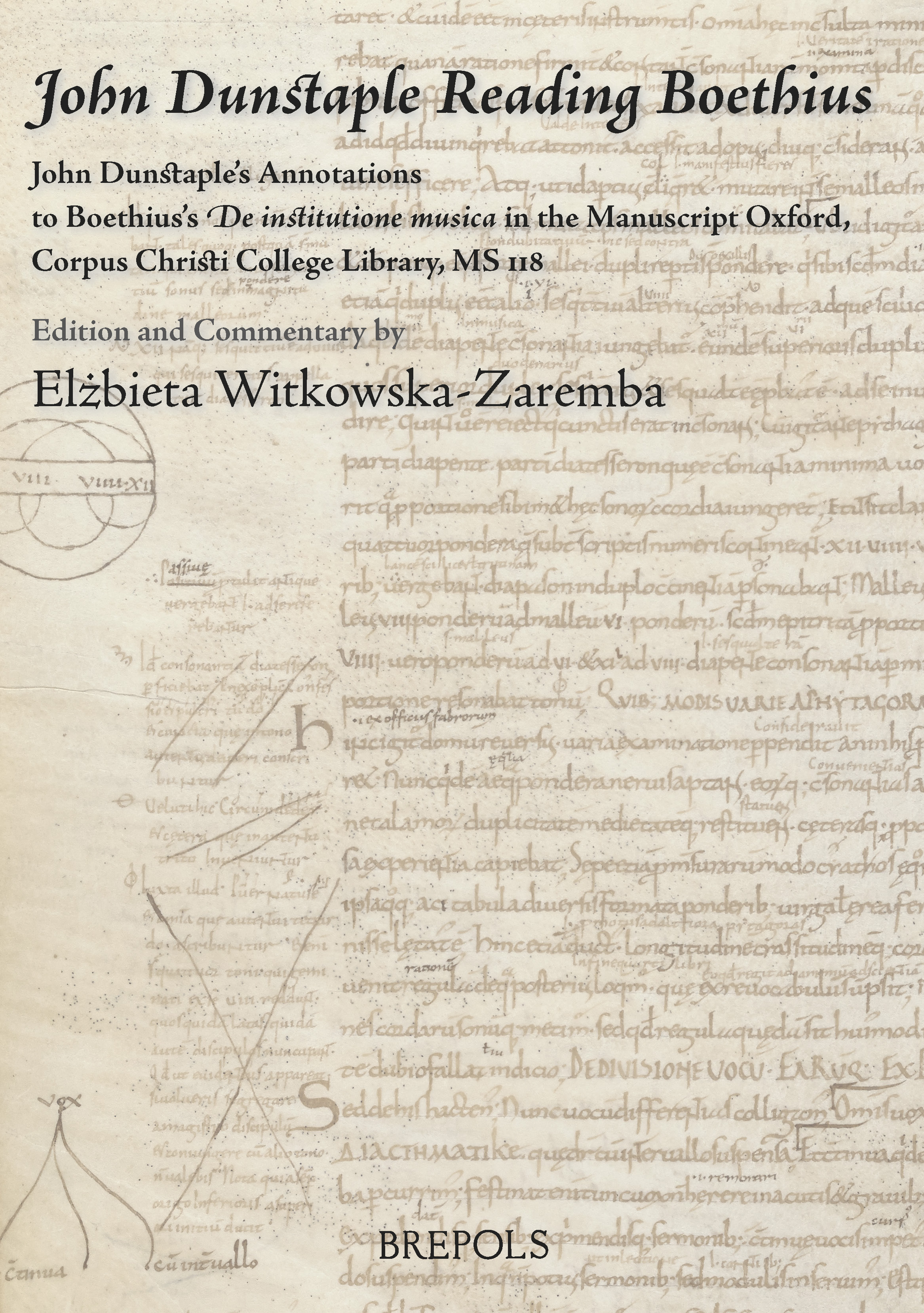 John Dunstaple Reading Boethius
John Dunstaple’s Annotations to Boethius’s “De institutione musica” in the Manuscript Oxford, Corpus Christi College Library, MS 118
 Linguistic and Cultural Dynamics in a Frontier Society
New Perspectives on Northeastern Bavaria and Western Bohemia in the Early Middle Ages
Volume 9
 Medieval Debates on Foreknowledge: Future Contingents, Prophecy, and Divination
Acts of the XXVII Annual Colloquium of the SIEPM, Trento 12-15 September 2023
Volume 31
 Medieval Yeghegis, Armenia
History, Archaeology, Society. Local Multiplicities and Global Connections of a Rural Centre on the Silk Road(s)


 Power and Women in Southeast and Central Europe in Late Medieval and Early Modern Period (1300-1600)
Volume 10


 The Anglo-Norman Bible’s Books of Kings, a Critical Edition
(BL Royal 1 C III, fols 234r-274v)
Volume 37


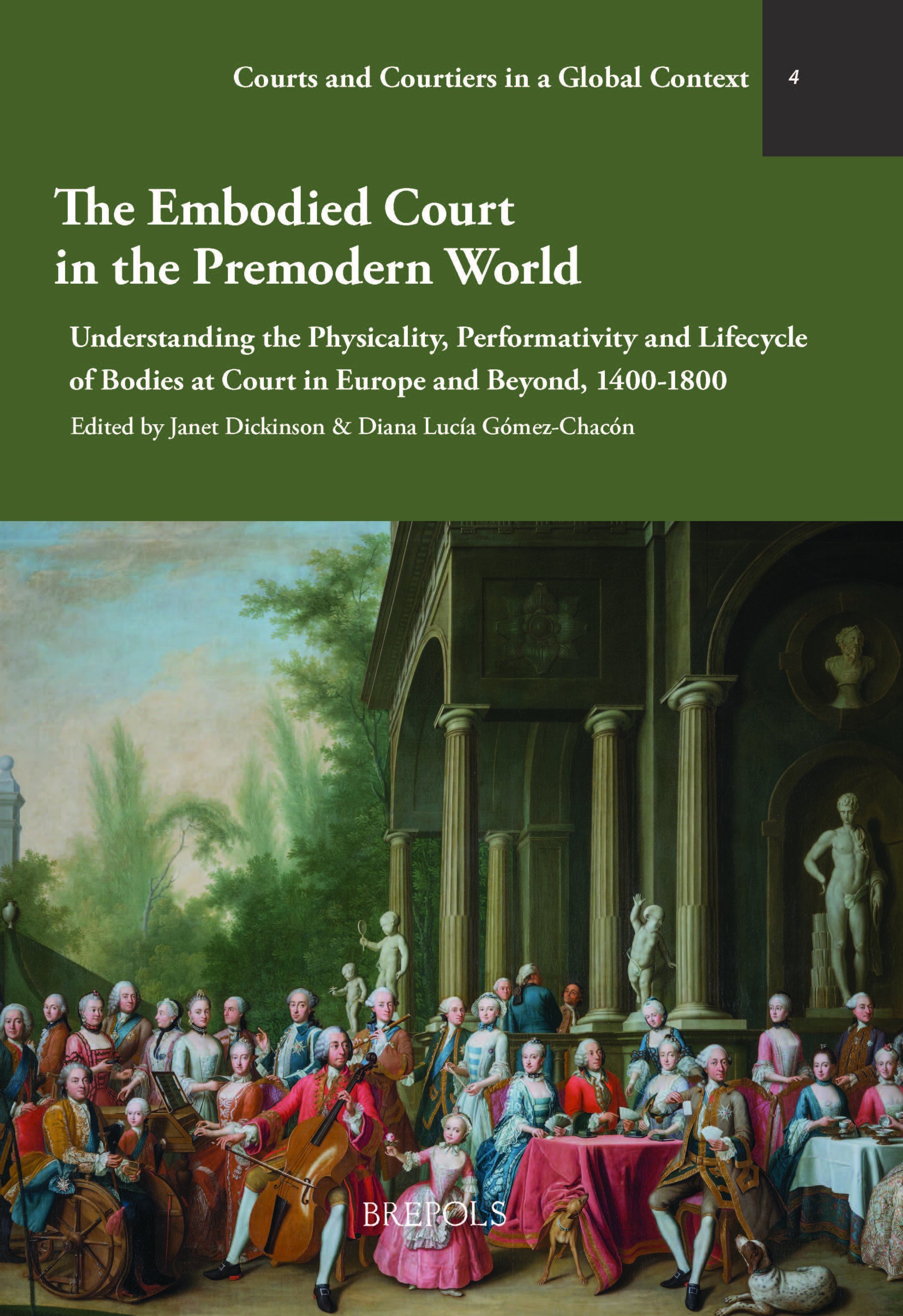 The Embodied Court in the Premodern World
Understanding the Physicality, Performativity and Lifecycle of Bodies at Court in Europe and Beyond, 1400-1800
Volume 4


 The Middle English ‘Medicines for Horses’
Edited from the Manuscript formerly at Kensington Palace, HRH Duke of Gloucester MS s.n. (olim York House MS 45)
Volume 69
