
Collection of Ancient Chinese Cultural Relics, Volume 9
translated by Wang Guozhen

This book, a collection of ancient Chinese cultural relics, deals with relics from Qing Dynasty, 1644 to 1911. There are two volumes dealing with relics in this period. This book contains 377 relics. The ancestors of the people who established the Manchu Qing Dynasty lived in northeast China in the territory lying between the ‘white mountains and the black rivers’. After establishing their capital in Beijing. the Qing Dynasty defeated all the forces that opposed them and they quickly consolidated their frontier defences. in the nearly 300 years of the Qing Dynasty, China achieved some remarkable things especially in the fields of culture and art even though it lagged behind in many other respects in global terms. Jade ware reached a great peak in the mid Qing Dynasty and surpassed previous achievement in size, selection of materials and overall craftsmanship. Porcelain production reached its highest ever peak in this era. Jingdezhen remained the centre for production of porcelain. The period also saw the revival in the history of Chinese calligraphy. Stone inscriptions grew in popularity and a number of pioneer masters emerged and exerted a far-reaching influence. Seal character calligraphy and li calligraphy (official script) were revised again. Literati painting played a dominant role and landscape painting and impressionistic ink and wash painting were prevalent Laquer craftwork in all shapes and sizes reached a great deal level of maturity. Existing techniques were improved and others developed. Embroidery reached unprecedented heights. Silk tapestries became more and more exquisite and the production of metal bodied enamelware reached a great peak. Bamboo wood and horn carvings also were developed. Jade objects went through three stages of development. 1. Frugal period, with jade production was small and made by ordinary craftsmen and lack originality. 2. Due to a growing Qing comic strength. and a plentiful supply of jade materials the jade industry began to flourish, and became one of the high points in jade carving in China. 3. Late period of the Qing Dynasty and due to increasing corruption in society and large number of difficulties, both domestic and external, there was less appetite for large scale pieces of jade in part also due to the high cost of production. This book, the ninth in a ten-volume collection, brings to the English-speaking world a series of books from China which has been complied by an Expert Committee of the Chinese Society of Cultural Relics. There are 377 descriptions.
This book, a collection of ancient Chinese cultural relics, deals with relics from Qing Dynasty, 1644 to 1911. There are two volumes dealing with relics in this period. This book contains 377 relics. The ancestors of the people who established the Manchu Qing Dynasty lived in northeast China in the territory lying between the ‘white mountains and the black rivers’. After establishing their capital in Beijing. the Qing Dynasty defeated all the forces that opposed them and they quickly consolidated their frontier defences. in the nearly 300 years of the Qing Dynasty, China achieved some remarkable things especially in the fields of culture and art even though it lagged behind in many other respects in global terms. Jade ware reached a great peak in the mid Qing Dynasty and surpassed previous achievement in size, selection of materials and overall craftsmanship. Porcelain production reached its highest ever peak in this era. Jingdezhen remained the centre for production of porcelain. The period also saw the revival in the history of Chinese calligraphy. Stone inscriptions grew in popularity and a number of pioneer masters emerged and exerted a far-reaching influence. Seal character calligraphy and li calligraphy (official script) were revised again. Literati painting played a dominant role and landscape painting and impressionistic ink and wash painting were prevalent Laquer craftwork in all shapes and sizes reached a great deal level of maturity. Existing techniques were improved and others developed. Embroidery reached unprecedented heights. Silk tapestries became more and more exquisite and the production of metal bodied enamelware reached a great peak. Bamboo wood and horn carvings also were developed. Jade objects went through three stages of development. 1. Frugal period, with jade production was small and made by ordinary craftsmen and lack originality. 2. Due to a growing Qing comic strength. and a plentiful supply of jade materials the jade industry began to flourish, and became one of the high points in jade carving in China. 3. Late period of the Qing Dynasty and due to increasing corruption in society and large number of difficulties, both domestic and external, there was less appetite for large scale pieces of jade in part also due to the high cost of production. This book, the ninth in a ten-volume collection, brings to the English-speaking world a series of books from China which has been complied by an Expert Committee of the Chinese Society of Cultural Relics. There are 377 descriptions.
- By (author) ATF Press
- Translated by Wang Guozhen
Similar Books
 A Collaborative Tapestry in Honour of Shirley Ann Brown / Une fresque brodée en l’honneur de Shirley Ann Brown
The Bayeux Tapestry Seen by her Colleagues and Friends / La Tapisserie de Bayeux vue par ses collègues et amis





 Balthasar Caymox of Nuremberg
Early Modern German Print Publishers: Popular Prints of the Seventeenth Century

 Between Bones and Beliefs
Human-Bird Relations in Central and Northern Europe in the First Millennium AD
Volume 4


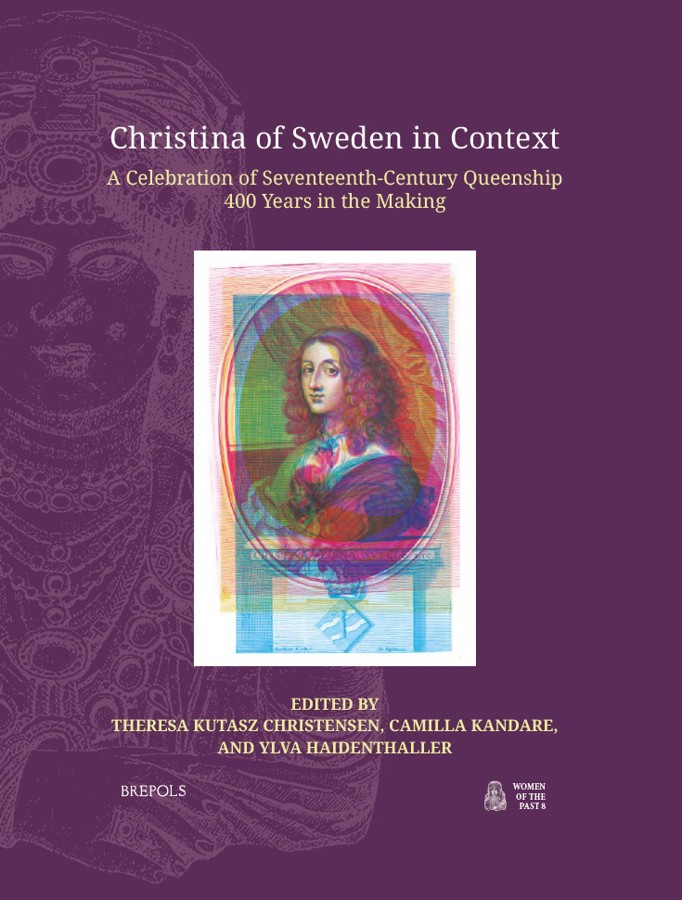 Christina of Sweden in Context
A Celebration of Seventeenth-Century Queenship 400 Years in the Making


 Engaged Languages and Literatures / Langues et Littératures engagées
Critical Views / Regards Critiques
 ENTANGLED AFRICA
Intra-African Relations Between Rain Forest and Mediterranean from Around 4,000 BCE to 1,500 CE





 Gold, Silver and Glass: Power Networks, Cultural Identities, Technology Transfers and Agency across the Old World (7th Century BC – 1st Century AD)
Proceedings of a Conference Held at the British Museum, 16–18 June 2023


 Legal Visuality
Exegesis, Ambiguity, and Dissimulation of the Donation of Constantine in the Early Modern Period
 Listening to the Swan Song
More-than-Human Beings and Sounds in Literature and Culture Through the Ages


 Monastic Manuscripts from the Eastern Mediterranean (Sinai, Jerusalem, Antioch)
Production, Use, and Contexts

 Naples as Laboratory / Laboratorium Neapel
Style Options, Artistic Rivalry and Self Fashioning in Neapolitan Baroque Painting / Plurale Stilbildung, Kunstlerkonkurrenz und Self Fashioning in der neapolitanischen Barockmalerei

 Nurturing the Elite
Representations of Drinking, Eating, and Religious Vessels in Palmyrene Funerary Iconography
Volume 13


