
Archaeology of Body and Thought
From the Neolithic to the Beginning of the Middle Ages
By (author) Tomasz Gralak

Paperback (Published)
(March 2024)
ISBN: 9781803277219
8.07 x 11.42 inches
Price: $64.00
In stock
This study explores what we as people can do with our bodies, what we can use them for, and how we can alter and understand them. With analysis based on artefacts found in graves, anthropomorphic images, and written sources, it considers the ways in which human groups from the Neolithic to the Migration Period have perceived and trea
Archaeology of Body and Thought explores what we as people can do with our bodies, what we can use them for, and how we can alter and understand them. It considers the ways in which individual human groups from the Neolithic to the Migration Period have perceived and treated the body. The analysis is based on artefacts found in graves, anthropomorphic images, and written sources, with an underlying assumption that principles of aesthetics or a canon of beauty express a way of understanding and evaluating corporality commonly adopted in a given culture. From this perspective, the human body is also an archaeological artefact and a specific kind of material culture (indeed, the most important one). The book investigates the extent to which ideology shapes our bodies and how our bodies create our world outlook. To that end, it compares bodies with other contemporary spheres of material culture and technology. Geographically, the study concentrates on central and eastern Europe, a region where various cultural trends have always intersected. Greece, Italy, Scandinavia, and Eurasian steppes are also included in the analysis.
Chapter I: Introduction
Chapter II: The Neolithic. Bodies of First Farmers
Chapter III: The Chalcolithic. The Dark Side of the Sun – Warriors
Chapter IV: The Únětice Culture. Bone Collectors
Chapter V: Man of Bronze. The Period of Tumulus Cultures’ Domination
Chapter VI: Figurative Representations and Perception of Corporality in Minoan and Mycenaean Traditions
Chapter VII: Burnt by the Sun. The Lusatian Culture and Cremation
Chapter VIII: The People of Rock Carvings. The Nordic Bronze Age
Chapter IX: The Decline of the Bronze Age and the Onset of the Iron Age
Chapter X: Pomeranian Canopic Jars
Chapter XI: People on the Steppes. Creators of the Saka-Scythian Animal Style
Chapter XII: Head Hunters. The Celts of the La Tène Culture
Chapter XIII: Bodies of the Barbarians
Chapter XIV: Migration Period. Bodies and Souls in Turmoil
Chapter XV: Epilogue. Slavs and the Myth of Vampire
Chapter XVI: Conclusion
Bibliography
- By (author) Tomasz Gralak
Similar Books
 A Collaborative Tapestry in Honour of Shirley Ann Brown / Une fresque brodée en l’honneur de Shirley Ann Brown
The Bayeux Tapestry Seen by her Colleagues and Friends / La Tapisserie de Bayeux vue par ses collègues et amis



 Behind the Scenes of Medieval Roofs
An Overview of the Roofing Systems of Italian Churches
Volume 90


 Colour Concept “Secoli bui” a colori
Codici cromatici e architetture dipinte nell’età tardoantica e medievale
 Crossing Disciplines in the Study of Archaeology and Prehistoric Art: Insights from the Sahara and Mediterranean Africa
Proceedings of the XX UISPP World Congress (5–9 September 2023, Timișoara, Romania) Volume / Session 18
 Crossing Sacred Landscapes
Contacts and Continuities in the Desert Cults and Beliefs of Ancient Northern Arabia and the Arid Southern Levant
 Cuneiform Artefacts from Archaeological Contexts: New Research on Ancient Iraq
Proceedings of a Conference Held at the Bavarian Academy of Sciences and Humanities, July 4–5, 2024
Volume 2






 Exploring Prehistoric Pottery in Japan
A Study of Organic Inclusions, Adhering Materials, and Impressions of Woven Items
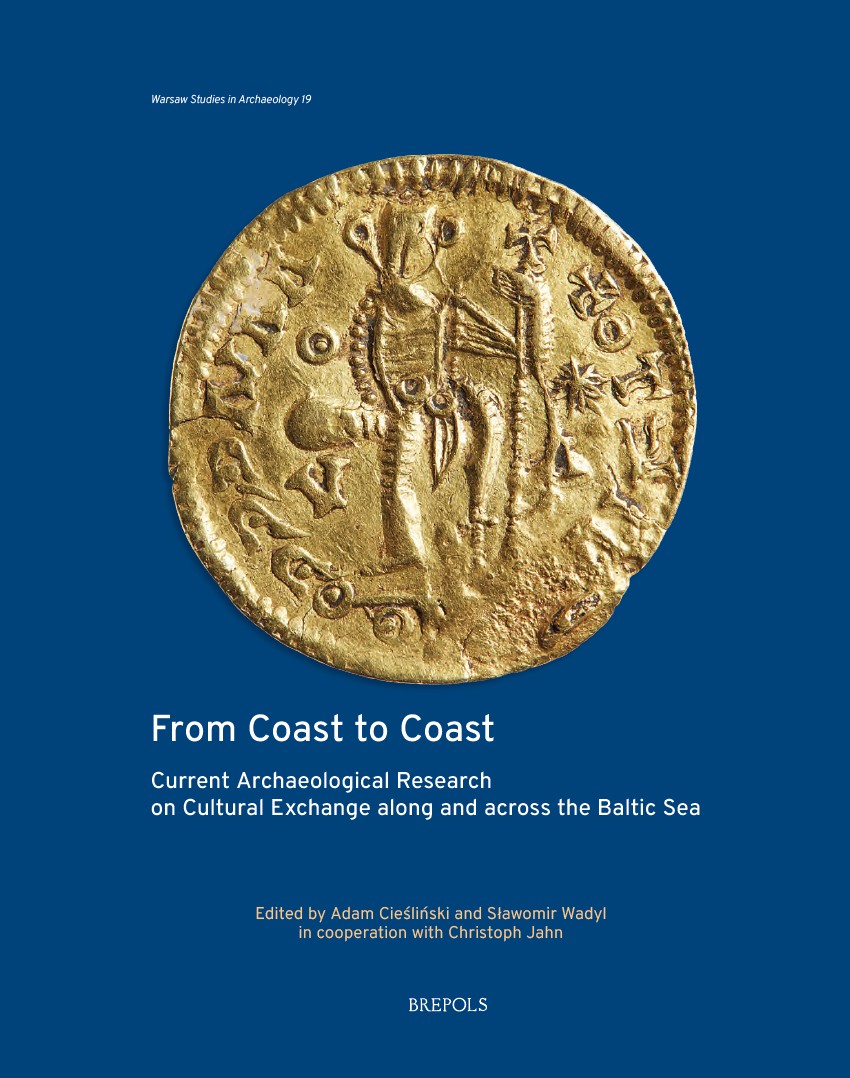 From Coast to Coast
Current Archaeological Research on Cultural Exchange along and across the Baltic Sea
Volume 19


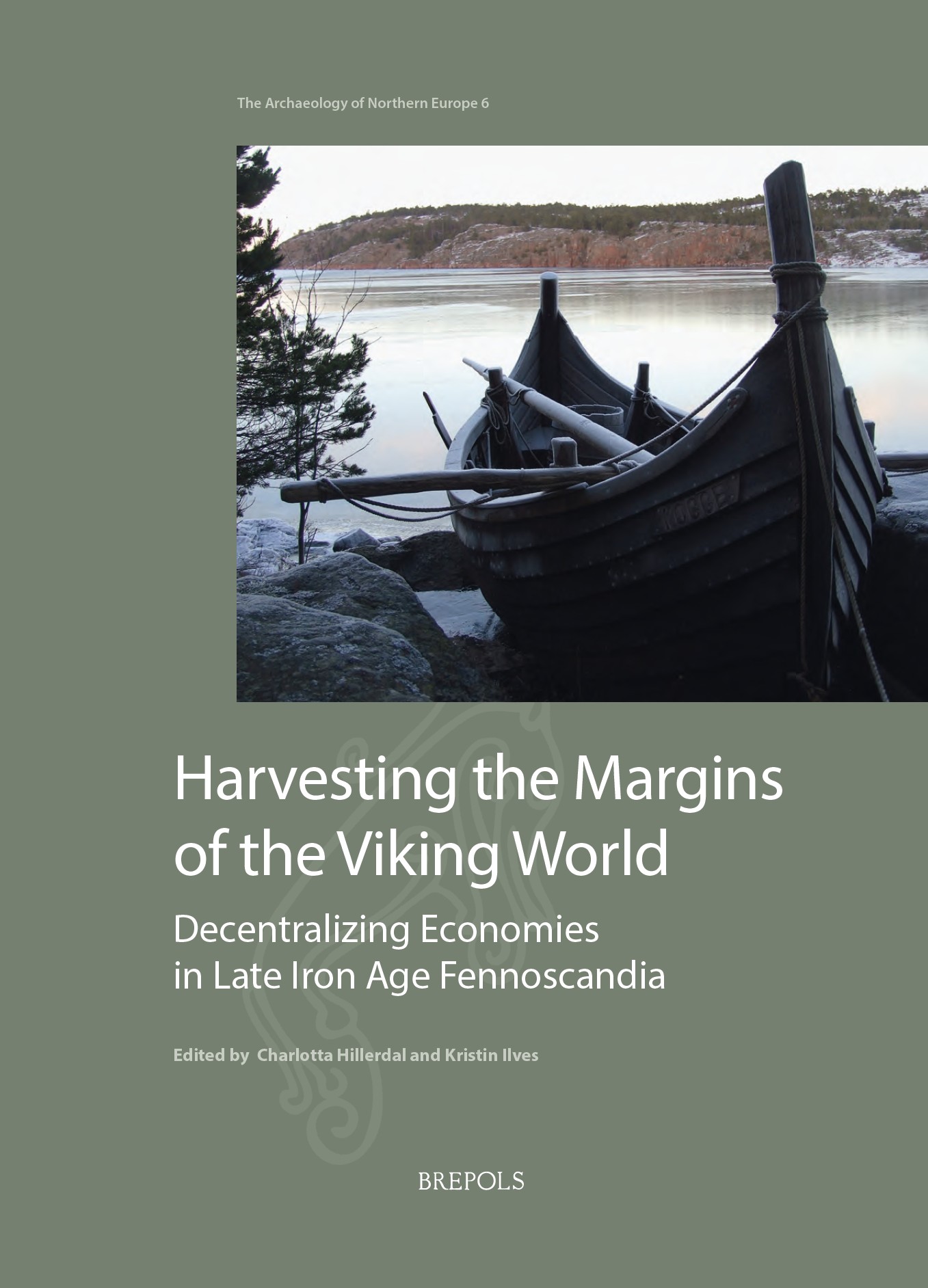 Harvesting the Margins of the Viking World
Decentralizing Economies in Late Iron Age Fennoscandia
Volume 6


 Innovation and Medieval Communities
The Circulation of Ideas and Practices in and out of the Town (1200-1500)
Volume 63
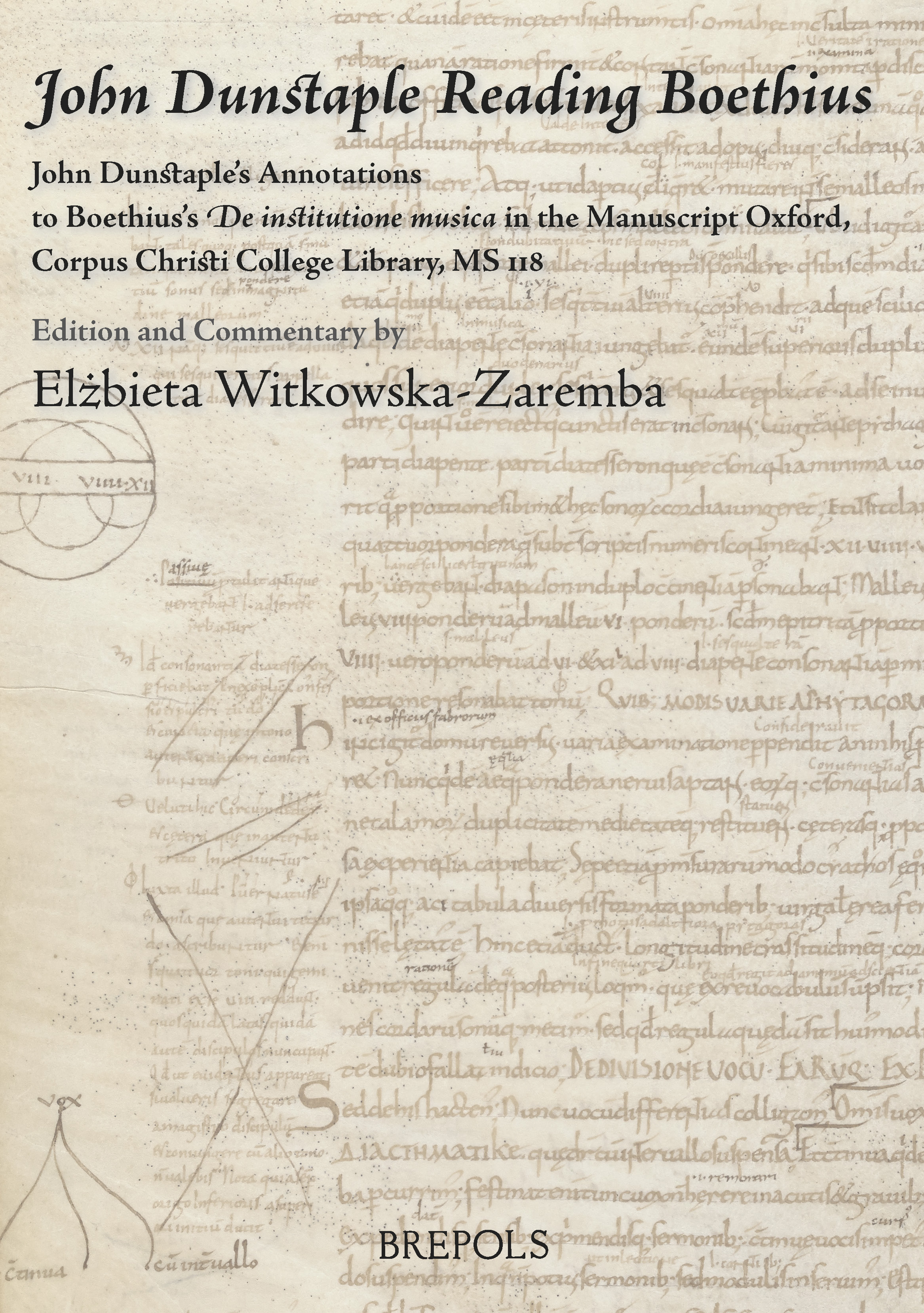 John Dunstaple Reading Boethius
John Dunstaple’s Annotations to Boethius’s “De institutione musica” in the Manuscript Oxford, Corpus Christi College Library, MS 118
 Linguistic and Cultural Dynamics in a Frontier Society
New Perspectives on Northeastern Bavaria and Western Bohemia in the Early Middle Ages
Volume 9

 Making and Meaning in the Bronze and Iron Ages
Chronology, Landscapes and Societies across Europe. Proceedings from the METALAGES2024 Colloquium (Florence, 23 October 2024)
 Medieval Debates on Foreknowledge: Future Contingents, Prophecy, and Divination
Acts of the XXVII Annual Colloquium of the SIEPM, Trento 12-15 September 2023
Volume 31