
Politische Parteien und europäischer Datenschutz
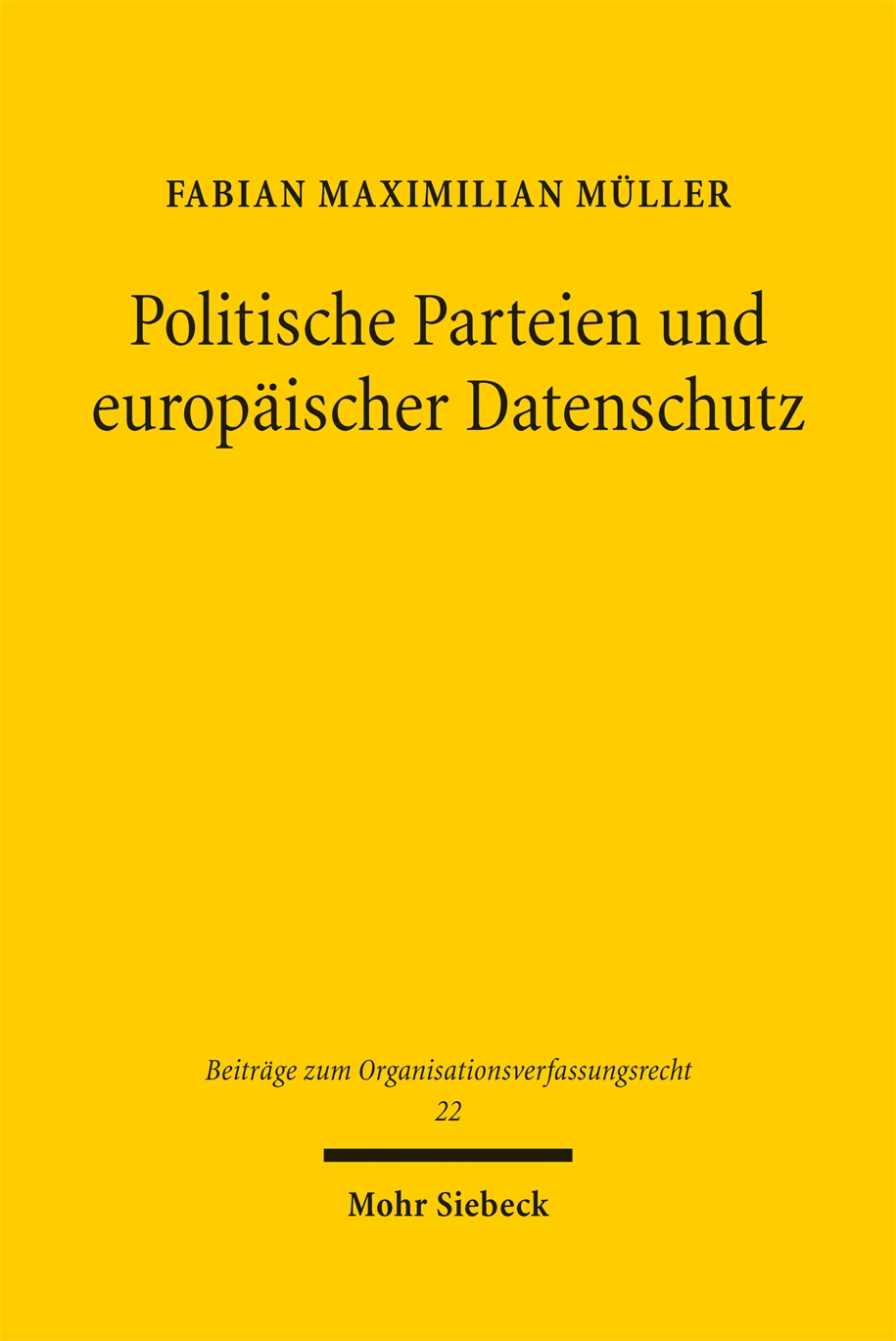
Democracy requires transparency from those who hold power. In a party-based democracy, this principle must also apply to the activities of political parties. At the same time, European data protection law establishes confidentiality as the default. Conflicts are therefore inevitable. Fabian M. Müller explores ways of resolving these tensions.
Democracy requires transparency from those who hold power. In a democracy that is hardly conceivable without political parties, this transparency must also extend to their activities. At the same time, the data protection regime harmonised across the European Union establishes the confidentiality of personal data as the default, making conflicts inevitable. Fabian Müller approaches the resolution of these conflicts from two perspectives.
First, he addresses the question of competence: whenever the European Union regulates the data protection obligations of political parties, it also affects the functioning of national democracies. Whether such regulation is covered by the Union’s data protection competences is open to serious doubt in light of the wording of the Treaties and the obligation to respect the national identities of the Member States.
Second, the author examines a range of practical problems. Under the GDPR, the publication of photographs taken at party conferences is prima facie prohibited because such images may reveal the political opinions of those depicted and therefore involve particularly sensitive personal data. Likewise, the extensive exchange of data between the legally independent branches of political parties appears, at first glance, to lack an adequate legal basis. Moreover, while the GDPR safeguards the confidentiality of personal data, it also grants data subjects a right of access to information about the data processed by others. This raises the question of the extent to which access requests may be used to uncover the electoral strategies of political competitors vying for leading positions. Finally, fines imposed on political parties affect not only the parties themselves but also political life more broadly, prompting the question of how such fines should be calibrated.
Other Titles in this Series
 Politische Parteien und Offentlichkeit
Verfassungsrechtliche Publizitatspflichten fur die innerparteiliche Willensbildung und Entscheidungsfindung vor dem Hintergrund des Status demokratischer Offentlichkeit
Volume 11
 Wehrhafte Demokratie in der Bewährung
Analyse und Bewertung des Potentials der rechtlichen Demokratieverteidigung in Anbetracht aktueller Herausforderungen
 Paritatisches Wahlrecht
Verfassungsrechtliche Zulassigkeit und demokratietheoretische Bezuge
Volume 13
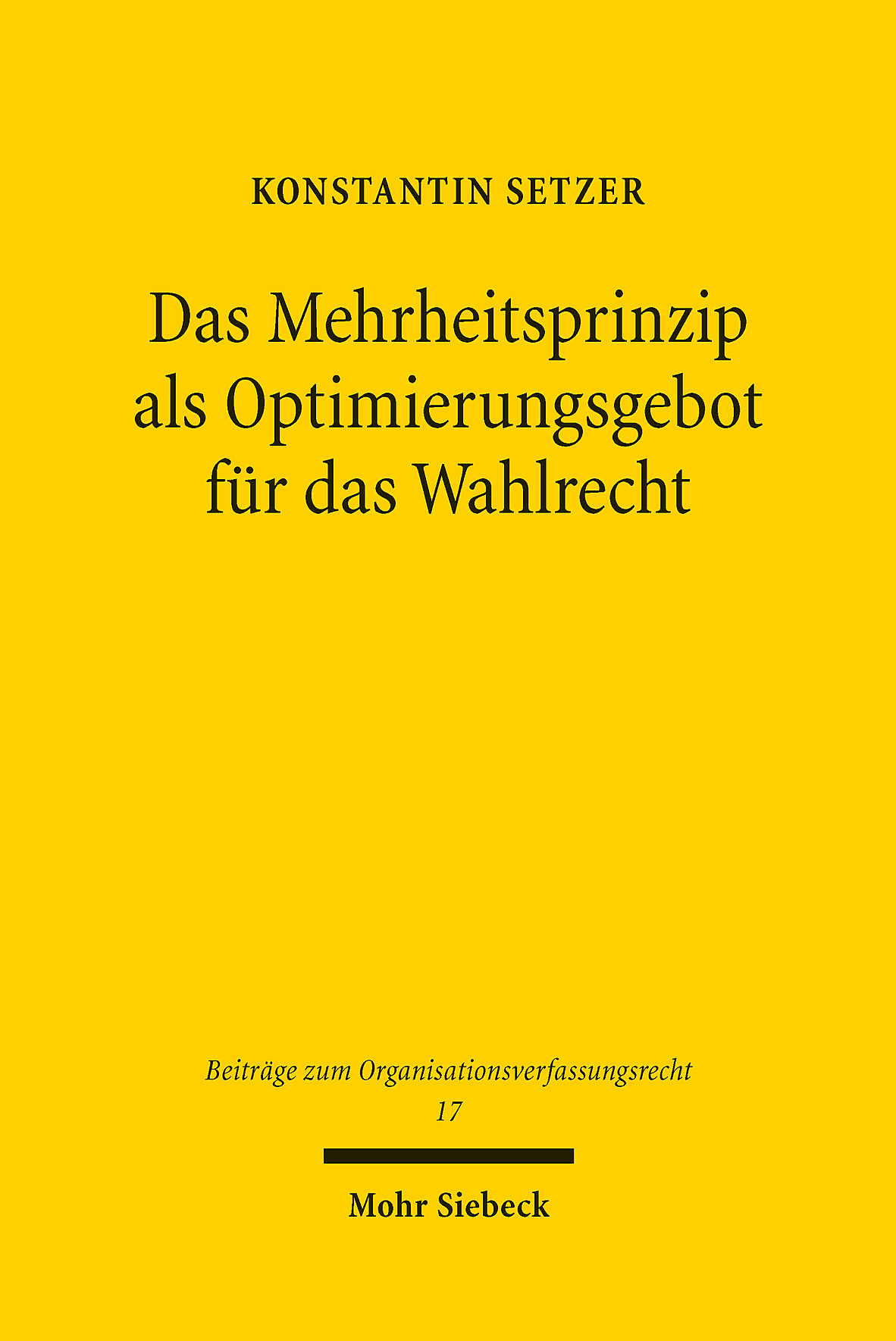 Das Mehrheitsprinzip als Optimierungsgebot fur das Wahlrecht
Zugleich eine Untersuchung der Ausgestaltung der Direktwahl kommunaler Hauptverwaltungsbeamter
Volume 17
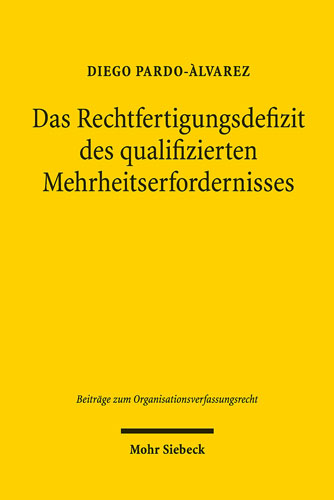 Das Rechtfertigungsdefizit des qualifizierten Mehrheitserfordernisses
Zugleich ein Beitrag zur Rechtfertigung der parlamentarischen Mehrheitsregel
Volume 3
 Liquid Democracy
Internet-basierte Stimmendelegationen in der innerparteilichen Willensbildung
Volume 4

 Wahlsystem und Wahlgleichheit
Eine verfassungsdogmatische Untersuchung von Gestaltungsspielraum und Beschrankungen des Gesetzgebers im Bundestagswahlrecht
Volume 9
 Die grundgesetzliche Theorie der Regierung
Zugleich ein Beitrag zur Rechtsgewinnung im Verfassungsrecht
Volume 10