Ceramics in Transition: Production and Exchange of Late Byzantine-Early Islamic Pottery in Southern Transjordan and the Negev
By (author) Elisabeth Holmqvist

Paperback (Published)
(June 2019)
ISBN: 9781789692242
8.07 x 11.42 inches
Price: $56.00
In stock
This book focuses on the utilitarian ceramic traditions during the socio-political transition from the late Byzantine into the early Islamic Umayyad and ‘Abbasid periods, in southern Transjordan and the Negev. Production clusters, manufacturing techniques, distribution patterns, and material links between communities are analysed.
Ceramics in Transition focuses on the utilitarian ceramic traditions during the socio-political transition from the late Byzantine into the early Islamic Umayyad and ‘Abbasid periods, c. 6th-9th centuries CE in southern Transjordan and the Negev. These regions belonged to the Byzantine province of Palaestina Tertia, before Islamic administrative reorganisation in the mid-7th century. Cooking ware and ceramic containers were investigated from five archaeological sites representing different socio-economic contexts, the Jabal Harun monastery, the village of Khirbet edh-Dharih, the port city of ‘Aqaba/Aila, the town of Elusa in the Negev, and the suburban farmstead of Abu Matar. The ceramics were typo-chronologically categorised and subjected to geochemical and micro-structural characterisation via X-ray fluorescence spectrometry (ED-XRF) and scanning electron microscopy (SEM-EDS) to geochemically ‘fingerprint’ the sampled ceramics and to identify production clusters, manufacturing techniques, ceramic distribution patterns, and material links between rural-urban communities as well as religious-secular communities. The ceramic data demonstrate economic wealth continuing into the early Islamic periods in the southern regions, ceramic exchange systems, specialized manufacture and inter-regional, long-distance ceramic transport. The potters who operated in the southern areas in the formative stages of the Islamic period reformulated their craft to follow new influences diffusing from the Islamic centres in the north.
- By (author) Elisabeth Holmqvist
Similar Books
 A Collaborative Tapestry in Honour of Shirley Ann Brown / Une fresque brodée en l’honneur de Shirley Ann Brown
The Bayeux Tapestry Seen by her Colleagues and Friends / La Tapisserie de Bayeux vue par ses collègues et amis

 Balthasar Caymox of Nuremberg
Early Modern German Print Publishers: Popular Prints of the Seventeenth Century
 Behind the Scenes of Medieval Roofs
An Overview of the Roofing Systems of Italian Churches
Volume 90


 Cities through Time
Glimpses into Urbanity and Community in Mediaeval to Modern West Asia and Egypt
Volume 1


 Cuneiform Artefacts from Archaeological Contexts: New Research on Ancient Iraq
Proceedings of a Conference Held at the Bavarian Academy of Sciences and Humanities, July 4–5, 2024
Volume 2


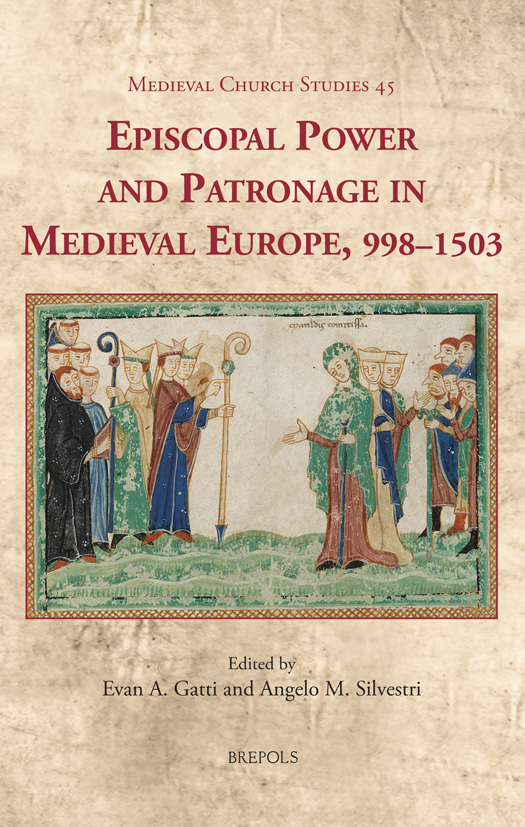


 Global Gulf
Geo-Economic, Geo-Political, and Geo-Technological Transformation in Saudi Arabia, the United Arab Emirates, and Qatar


 Innovation and Medieval Communities
The Circulation of Ideas and Practices in and out of the Town (1200-1500)
Volume 63
 Ismail Hakki Bursevi’s translation of and commentary on Fusus al-Hikam By Muhyiddin Ibn ‘Arabi
Volumes 1-4
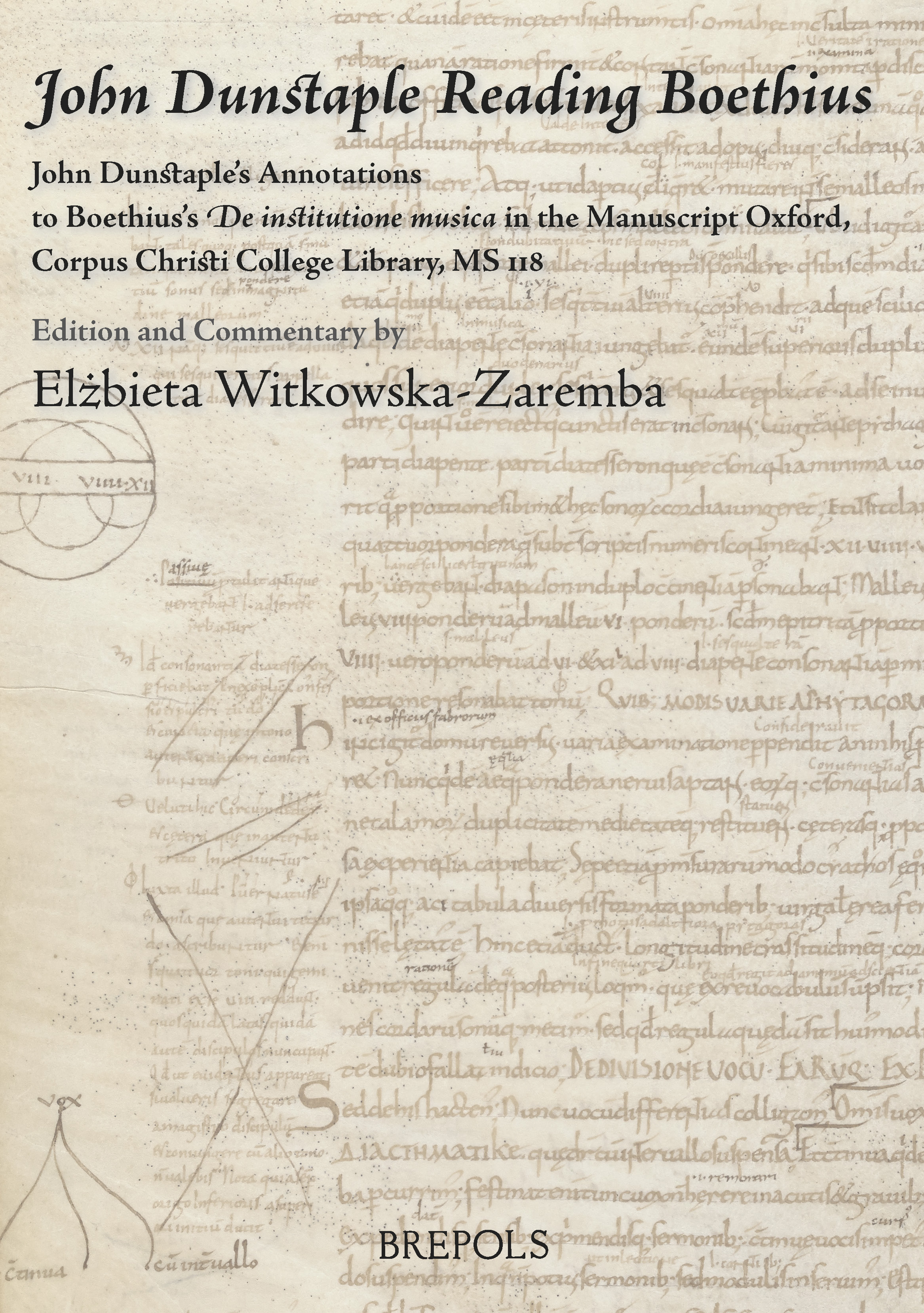 John Dunstaple Reading Boethius
John Dunstaple’s Annotations to Boethius’s “De institutione musica” in the Manuscript Oxford, Corpus Christi College Library, MS 118
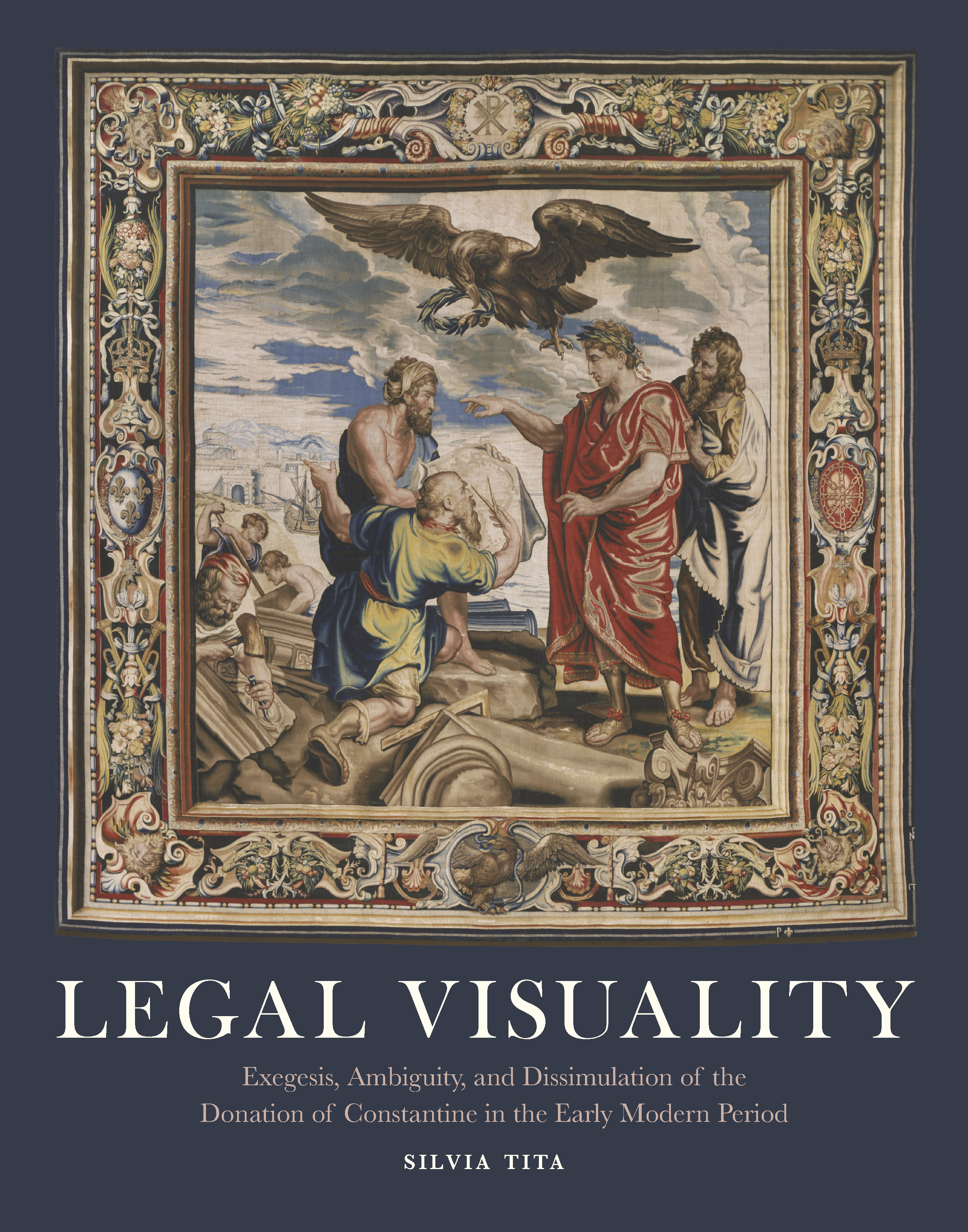 Legal Visuality
Exegesis, Ambiguity, and Dissimulation of the Donation of Constantine in the Early Modern Period
 Linguistic and Cultural Dynamics in a Frontier Society
New Perspectives on Northeastern Bavaria and Western Bohemia in the Early Middle Ages
Volume 9
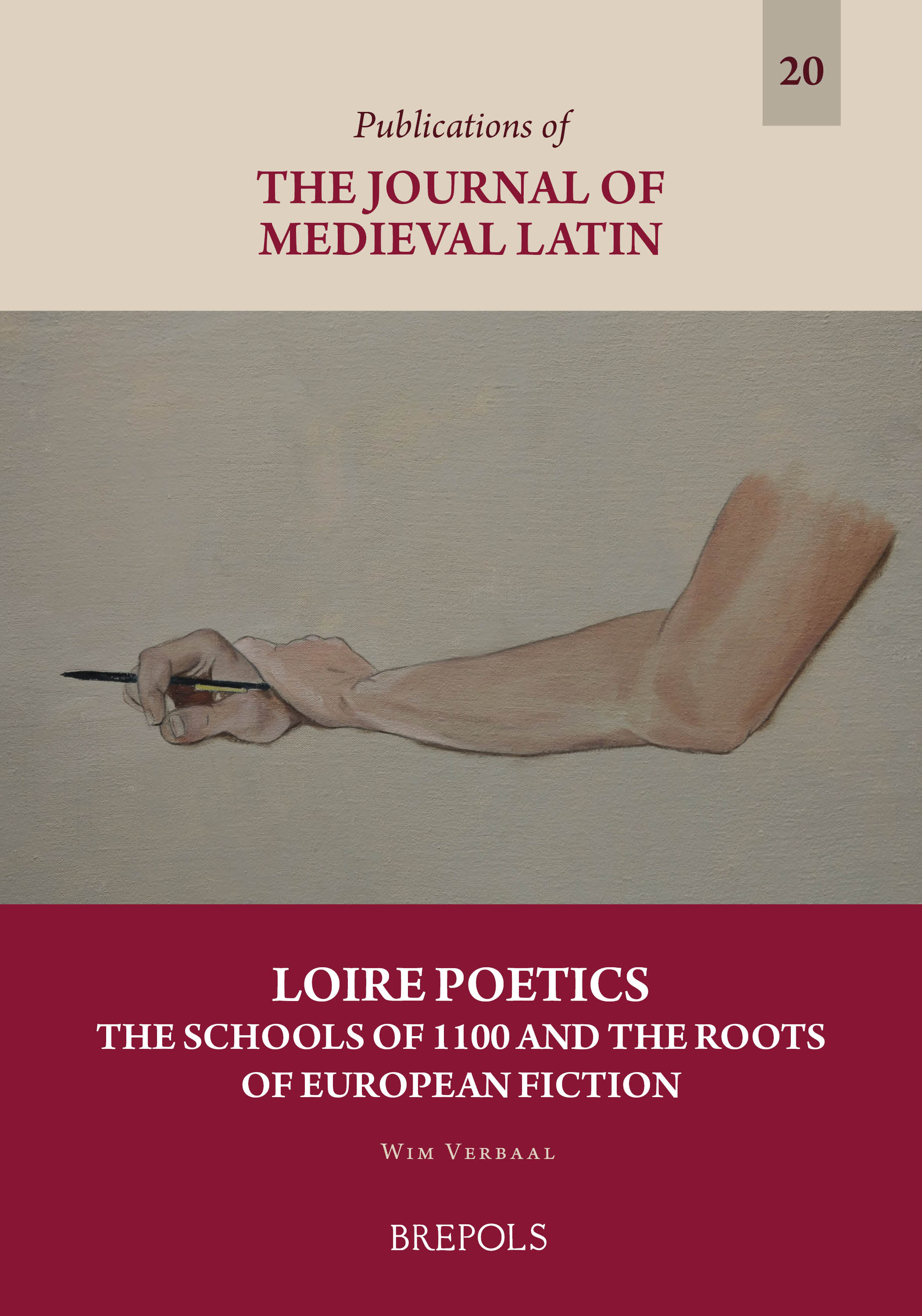
 Medieval Debates on Foreknowledge: Future Contingents, Prophecy, and Divination
Acts of the XXVII Annual Colloquium of the SIEPM, Trento 12-15 September 2023
Volume 31
 Medieval Yeghegis, Armenia
History, Archaeology, Society. Local Multiplicities and Global Connections of a Rural Centre on the Silk Road(s)
 Monastic Manuscripts from the Eastern Mediterranean (Sinai, Jerusalem, Antioch)
Production, Use, and Contexts
 Naples as Laboratory / Laboratorium Neapel
Style Options, Artistic Rivalry and Self Fashioning in Neapolitan Baroque Painting / Plurale Stilbildung, Kunstlerkonkurrenz und Self Fashioning in der neapolitanischen Barockmalerei

 Nurturing the Elite
Representations of Drinking, Eating, and Religious Vessels in Palmyrene Funerary Iconography
Volume 13