
Le Cancellate Romane Sette-Ottocentesche
By (author) Massimo De Vico Fallani

The blacksmith’s trade is a great artisan tradition. The volume illustrates the Roman gates (150) of the 18th and 19th centuries by the monumental systems of closure and protection of the porticos of the urban basilicas (Santa Maria Maggio, San Giovanni in Laterano or Santa Croce in Gerusalemme) and those placed behind the facades of the churches or in the great city parks. The graphic part of the volume is very important and collects general and detailed drawings of Roman gates. The origins, the developments, the relationships with other countries, the technical and productive innovations are highlighted, up to those linked to the emerging industry of iron, steel and cast iron (between the second half of the 19th century and the first half of the 20th century, when the production of the Roman ‘ferrari’ changed radically).
- By (author) Massimo De Vico Fallani
Similar Books


 Behind the Scenes of Medieval Roofs
An Overview of the Roofing Systems of Italian Churches
Volume 90



 Circulation, Use, Impact
The Consumption of Architectural Books in the Early Modern Eastern Adriatic
Volume 1

 European Drama and Performance Studies
Dramatisations politiques. Théâtre, politique et idéologie au XIXe siècle (1806-1914)
Volume 27

 From the Frontiers of the Empire to the Borders of the Nations
Borderland Security and Safety in the (post-)Ottoman Spaces (1700–1939)



 Late Antique villae in the Balkans (3rd–7th c. AD): Current Research Questions and Perspectives
HAEMUS Companion to the Late Antique Balkans 1
Volume 4
 Lobbying for Equality
Jacques Godard and the Struggle for Jewish Equality during the French Revolution


 The Antiquarian Book-trade in Switzerland
Sir Thomas Phillipps's Acquisitions in the 1820s and their Later Dispersal
Volume 69
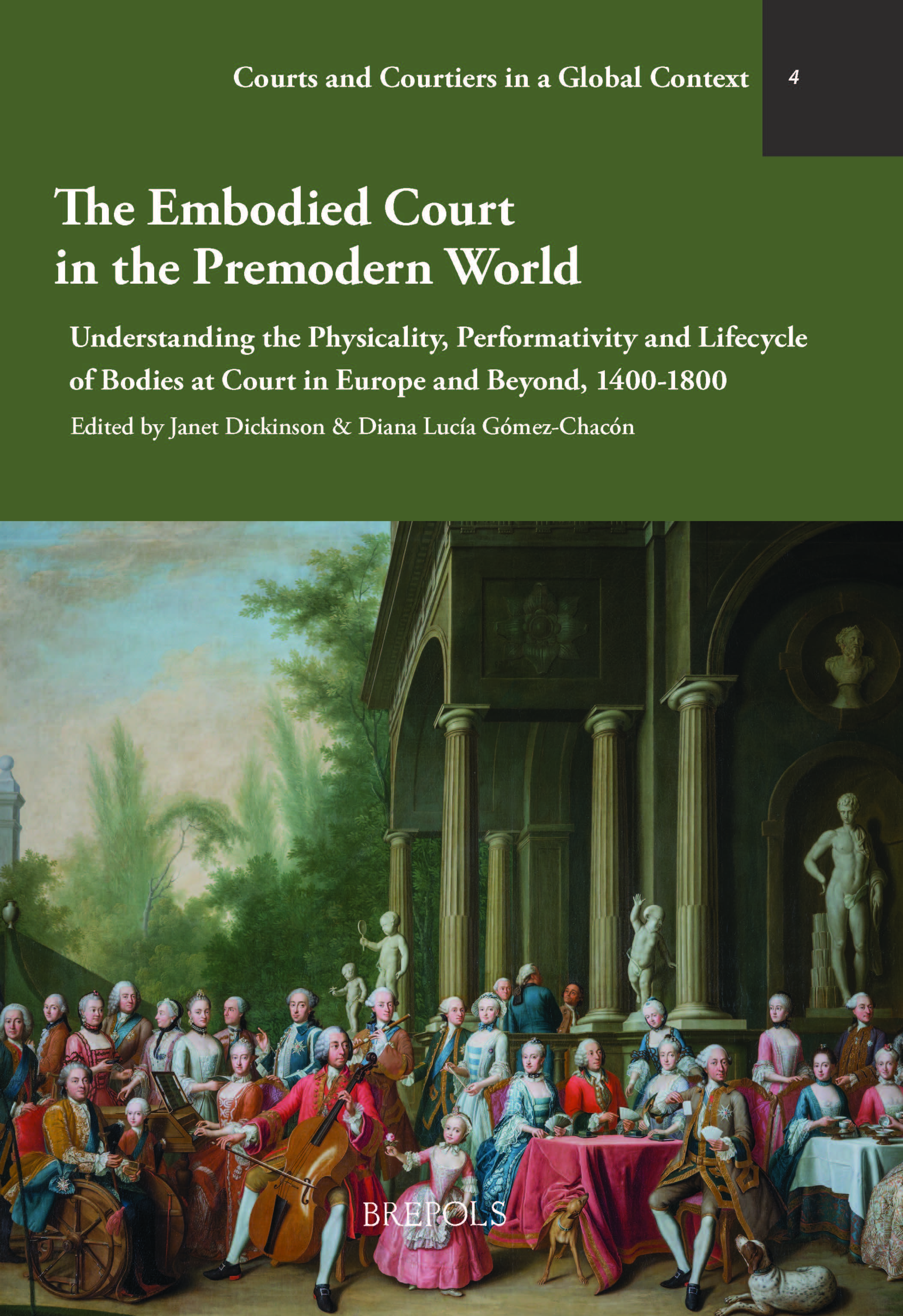 The Embodied Court in the Premodern World
Understanding the Physicality, Performativity and Lifecycle of Bodies at Court in Europe and Beyond, 1400-1800
Volume 4


 To Dimarcheio Tis Ermoupolis | The Town Hall of Ermoupolis
150 chrónia enós neoklasikoú topósimou | 150 Years of a Neoclassical Landmark
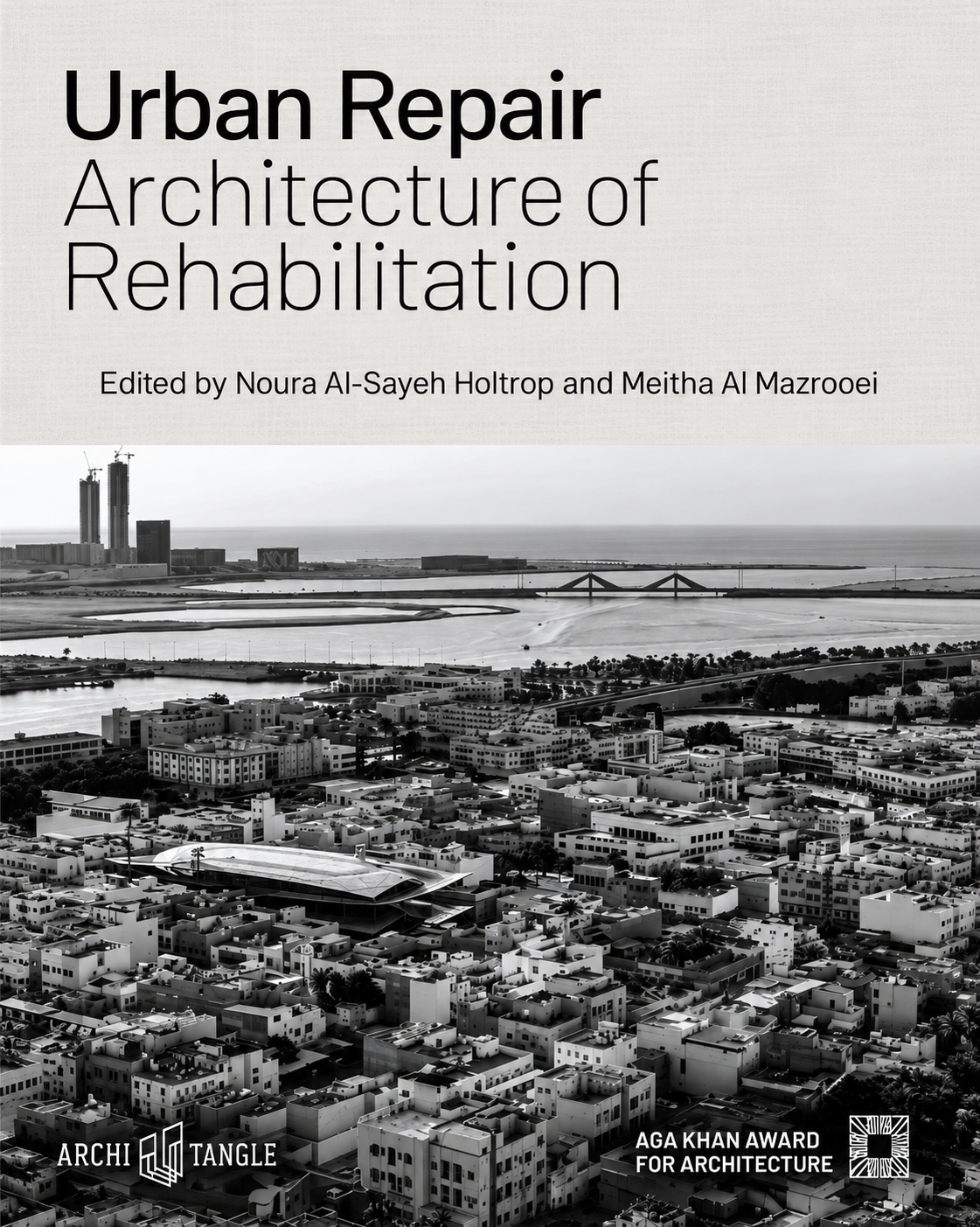

 Visual Memory and Oblivion
Monuments and Conflicts in Urban Spaces in Central and Eastern Europe from the Nineteenth Century to the Present Day


 “Italien übertrifft alles, was man mir darüber gesagt hat”
Wilhelmine von Bayreuth und Friedrich II. im Briefdialog über die Italienreise der Markgräfin

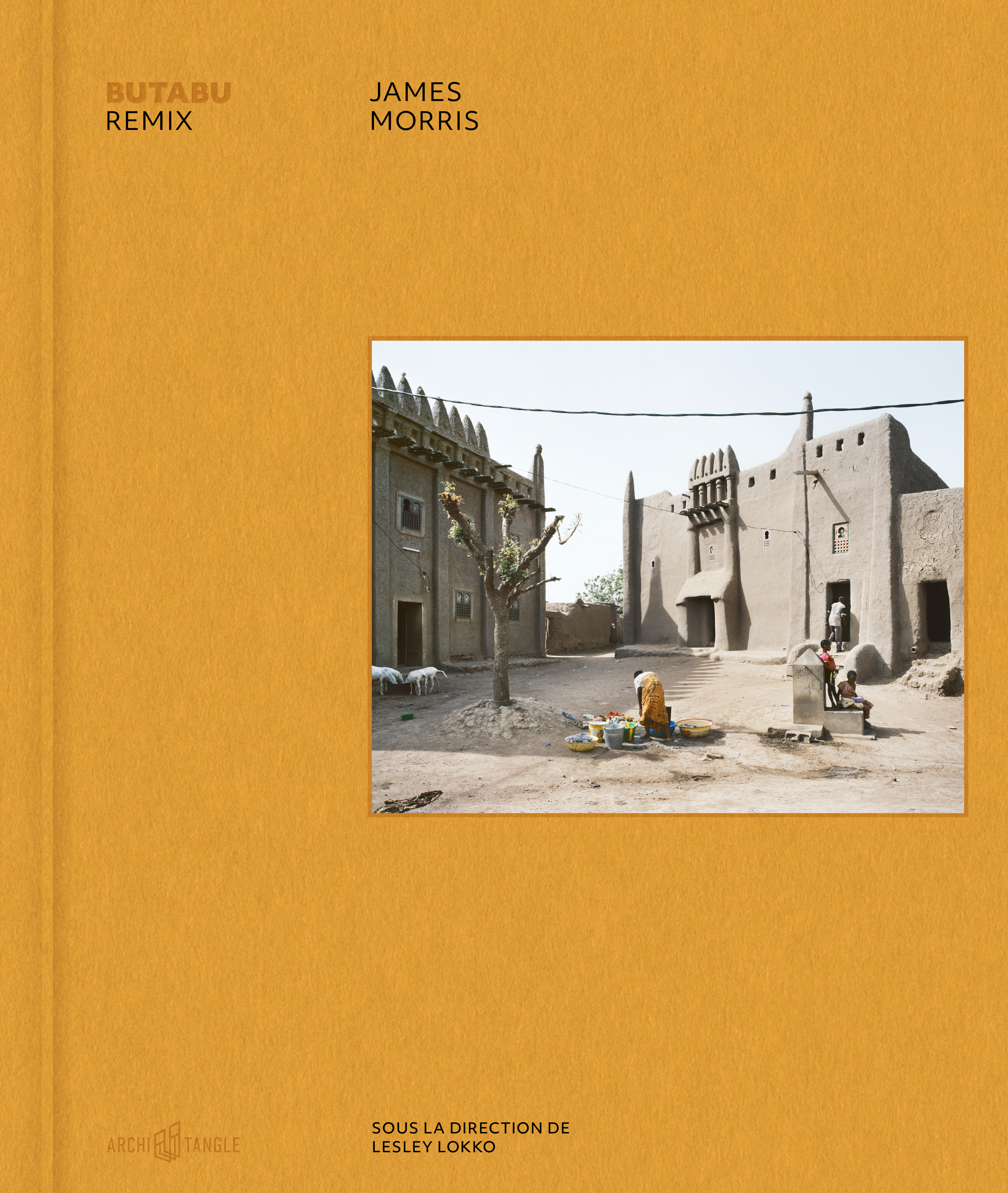



 Der langsame Abschied vom landesherrlichen Kirchenregiment
Die Debatten um das Verhältnis von Kirche und Staat im 19. Jahrhundert in protestantischen Kirchenzeitungen
 Der Rezipient ist im Werk
Differenzerfahrung und Adressatenbezug in Reisedarstellungen des 15.–18. Jahrhunderts