
Gardens in Revolution
Landscapes and Political Culture in France, 1760-1792
By (author) Gabriel F. Wick

Hardback (Published)
(October 2025)
ISBN: 9781915487513
8.62 x 10.98 inches
Price: $94.00
In stock
Gardens in Revolution offers an incisive look into how aristocratic and royal landscapes were used to represent dissent, undermine, and then ultimately recast and reinvent absolutism in the pivotal decades preceding the French Revolution.
Following France’s defeat in the Seven Years War, a number of leading French aristocrats pointedly began to embrace English fashions, pastimes, and behaviors. What better means to demonstrate one’s disaffection with the absolutist monarchy than to espouse the culture of Britain, its avowed enemy? These anglomanes wanted France to adopt Britain’s more fluid social structure, dynamic economy, and pragmatic monarchy. Emulating their English peers, aristocratic anglomanes embraced landscape gardening as a fitting pastime. The studied naturalism of their ‘English’ landscapes was the antithesis of the formalism associated with the French court. The most prominent creators of the jardin anglais, men like the prince de Conti, the duc de Chartres, and the duc de Choiseul were also figureheads of the so-called Partie Patriote, an increasingly bold opposition faction. Frequently exiled from court, their jardins anglais came to represent their physical and ideological distance from Versailles, while their country estates were celebrated as visible manifestations of their opposition. This book explores the links between garden-making, politics, and ideological expression in the twilight of the Ancient Regime. It considers how, in this context of crisis, landscape design became a central form of ideological expression. With the advent of Louis XVI and Marie-Antoinette, the book considers how English tastes progressively shed their transgressive and foreign associations and naturalistic landscapes soon made inroads at Versailles. Turning to a series of crises of the 1780s, it examines how the king, the queen, and their rivals used landscapes to materialise their respective visions of how the monarchy needed to evolve.
- By (author) Gabriel F. Wick
Other Titles in this Series

Similar Books


 Behind the Scenes of Medieval Roofs
An Overview of the Roofing Systems of Italian Churches
Volume 90

 Circulation, Use, Impact
The Consumption of Architectural Books in the Early Modern Eastern Adriatic
Volume 1


 From the Frontiers of the Empire to the Borders of the Nations
Borderland Security and Safety in the (post-)Ottoman Spaces (1700–1939)

 Late Antique villae in the Balkans (3rd–7th c. AD): Current Research Questions and Perspectives
HAEMUS Companion to the Late Antique Balkans 1
Volume 4
 Lobbying for Equality
Jacques Godard and the Struggle for Jewish Equality during the French Revolution


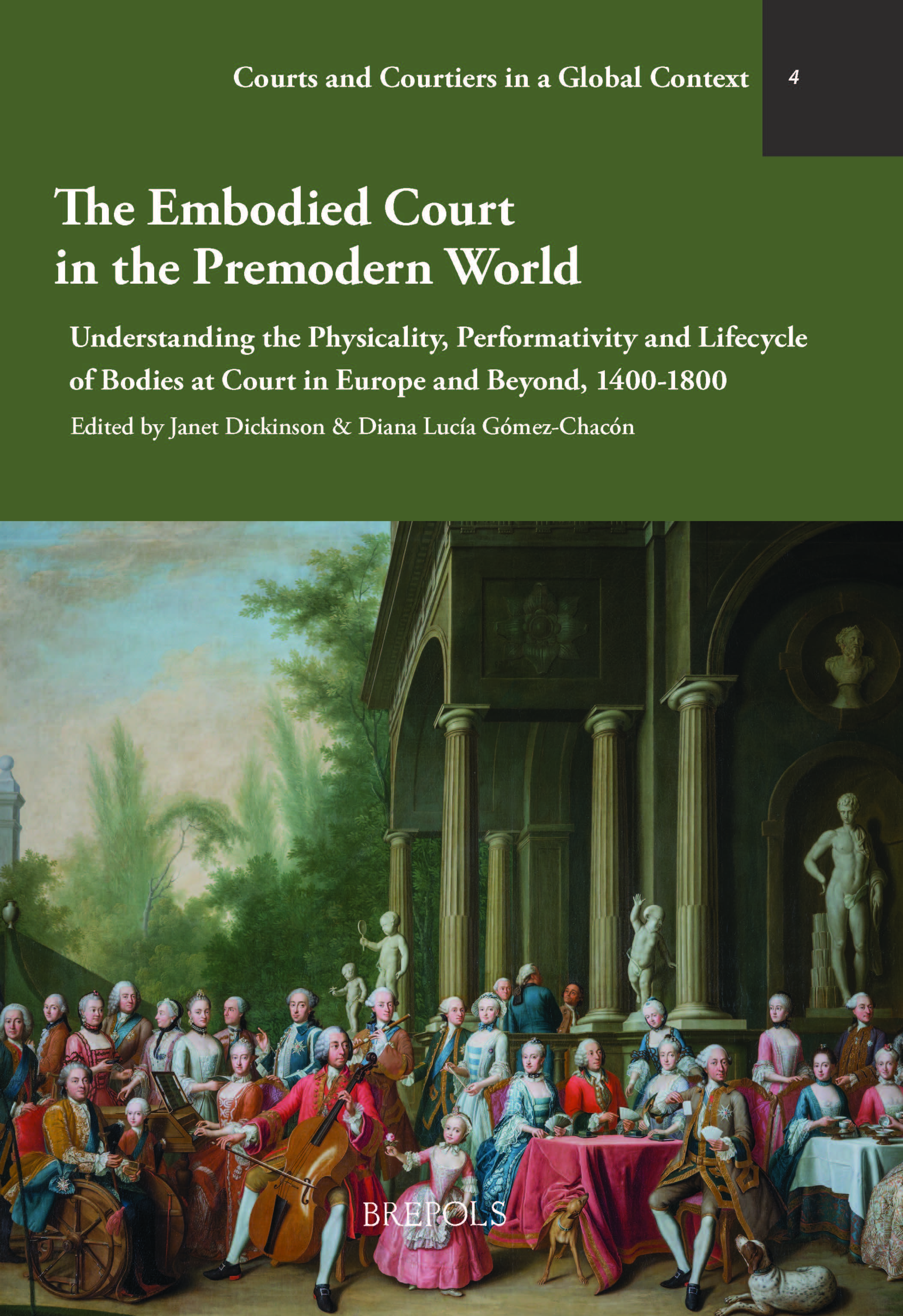 The Embodied Court in the Premodern World
Understanding the Physicality, Performativity and Lifecycle of Bodies at Court in Europe and Beyond, 1400-1800
Volume 4


 To Dimarcheio Tis Ermoupolis | The Town Hall of Ermoupolis
150 chrónia enós neoklasikoú topósimou | 150 Years of a Neoclassical Landmark
 Visual Memory and Oblivion
Monuments and Conflicts in Urban Spaces in Central and Eastern Europe from the Nineteenth Century to the Present Day


 “Italien übertrifft alles, was man mir darüber gesagt hat”
Wilhelmine von Bayreuth und Friedrich II. im Briefdialog über die Italienreise der Markgräfin
 À la recherche des normes de traduction
Textes spécialisés dans le monde hispanophone et francophone (1450–1850)


 Der Rezipient ist im Werk
Differenzerfahrung und Adressatenbezug in Reisedarstellungen des 15.–18. Jahrhunderts
 Die Entwicklung erdbebensicherer Bautechniken in der Frühen und Mittleren Eisenzeit in Ostanatolien
Volume 11

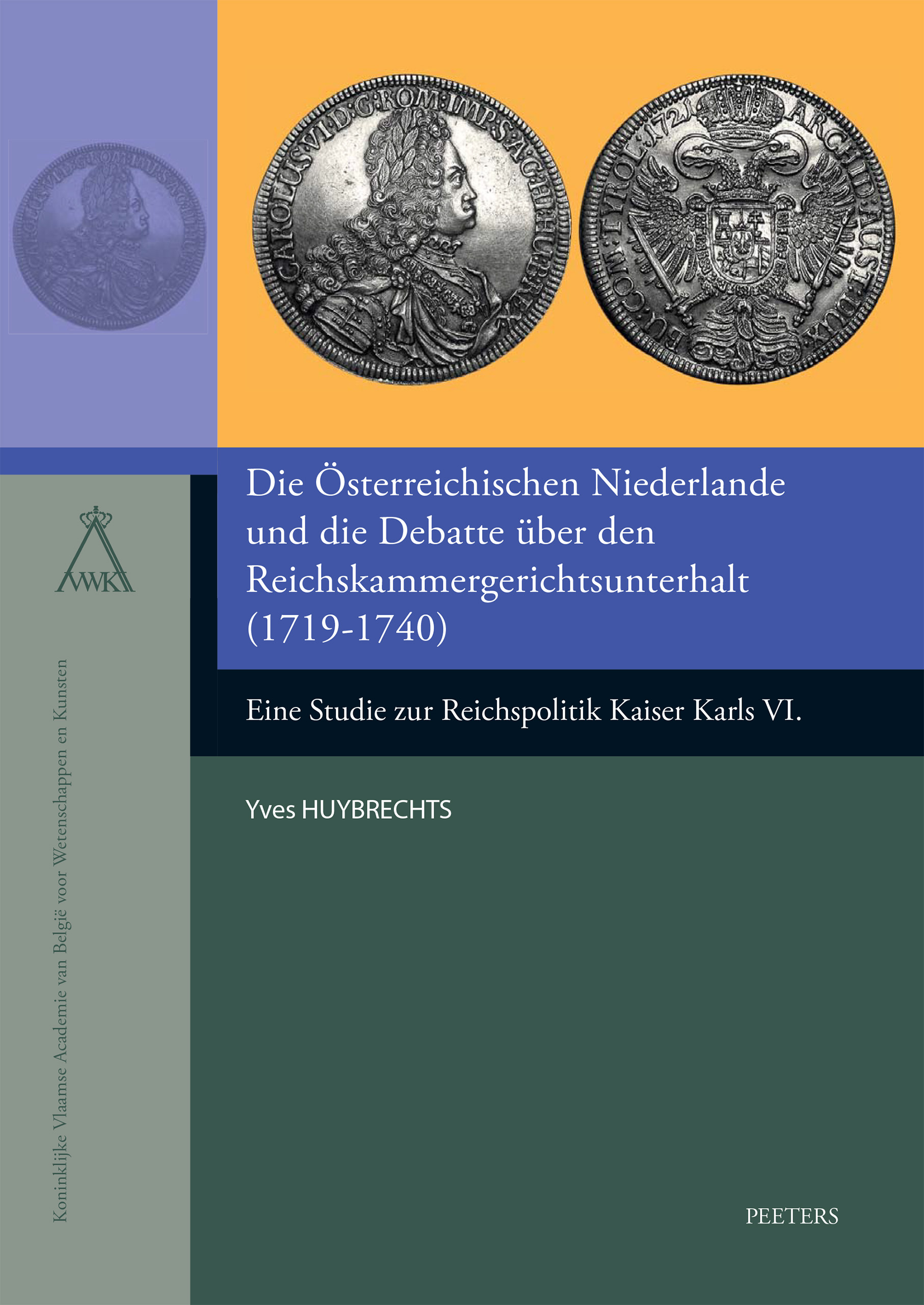 Die Österreichischen Niederlande und die Debatte über den Reichskammergerichtsunterhalt (1719-1740)
Eine Studie zur Reichspolitik Kaiser Karls VI.
Volume 43
 Die Popularität des Französischen im Europa des 17. und 18. Jahrhunderts
Akten des 13. Kongresses des Frankoromanistikverbandes vom 21.–23. September 2022 an der Universität Wien


 I Architektoniki Os Erotima
4 Éllines Dimiourgoí sti Fýsi | Fatoúros, Dermitzákis, Tompázis, Andrianópoulos