
The Craft of History
Turning History into a Discipline in the Twelfth and Thirteenth Centuries
By (author) Antoni Grabowski

History is today an established academic discipline, characterized by the use of footnotes and references to support claims. However, attempts to codify history and impose disciplinary rigour were made in the Middle Ages, even before the introduction of the modern apparatus. One such attempt was the use of the source mark, a precursor of the modern footnote. Initially used in the works of lawyers and theologians, the source mark indicated that a text and its ideas belonged to a named authority. The application of the source mark to historical writings marked a change in the way history was perceived. This volume explores how history was transformed into a discipline by focusing on four key twelfth-and thirteenth-century sources: the anonymous Status Imperii Iudaici, the Chronicle of Helinand of Froidmont, the Chronicle of Alberic of Trois-Fontaines, and Vincent of Beauvais’s Speculum Historiale. By focusing on these four texts and examining the influences of surrounding disciplines such as law and theology, the author explores how these historical writers drew on a wide range of different sources of information to provide a truthful account of the past. Furthermore, the aim of producing a reliable narrative was combined with an awareness of the status of the author. Through these case studies, this volume offers a fascinating reassessment of our modern understanding of the origins of the study of history.
History is today an established academic discipline, characterized by the use of footnotes and references to support claims. However, attempts to codify history and impose disciplinary rigour were made in the Middle Ages, even before the introduction of the modern apparatus. One such attempt was the use of the source mark, a precursor of the modern footnote. Initially used in the works of lawyers and theologians, the source mark indicated that a text and its ideas belonged to a named authority. The application of the source mark to historical writings marked a change in the way history was perceived. This volume explores how history was transformed into a discipline by focusing on four key twelfth-and thirteenth-century sources: the anonymous Status Imperii Iudaici, the Chronicle of Helinand of Froidmont, the Chronicle of Alberic of Trois-Fontaines, and Vincent of Beauvais’s Speculum Historiale. By focusing on these four texts and examining the influences of surrounding disciplines such as law and theology, the author explores how these historical writers drew on a wide range of different sources of information to provide a truthful account of the past. Furthermore, the aim of producing a reliable narrative was combined with an awareness of the status of the author. Through these case studies, this volume offers a fascinating reassessment of our modern understanding of the origins of the study of history.
- By (author) Antoni Grabowski
Other Titles in this Series


Similar Books
 A Collaborative Tapestry in Honour of Shirley Ann Brown / Une fresque brodée en l’honneur de Shirley Ann Brown
The Bayeux Tapestry Seen by her Colleagues and Friends / La Tapisserie de Bayeux vue par ses collègues et amis

 Behind the Scenes of Medieval Roofs
An Overview of the Roofing Systems of Italian Churches
Volume 90








 Innovation and Medieval Communities
The Circulation of Ideas and Practices in and out of the Town (1200-1500)
Volume 63
 John Dunstaple Reading Boethius
John Dunstaple’s Annotations to Boethius’s “De institutione musica” in the Manuscript Oxford, Corpus Christi College Library, MS 118
 Linguistic and Cultural Dynamics in a Frontier Society
New Perspectives on Northeastern Bavaria and Western Bohemia in the Early Middle Ages
Volume 9

 Medieval Debates on Foreknowledge: Future Contingents, Prophecy, and Divination
Acts of the XXVII Annual Colloquium of the SIEPM, Trento 12-15 September 2023
Volume 31
 Medieval Yeghegis, Armenia
History, Archaeology, Society. Local Multiplicities and Global Connections of a Rural Centre on the Silk Road(s)

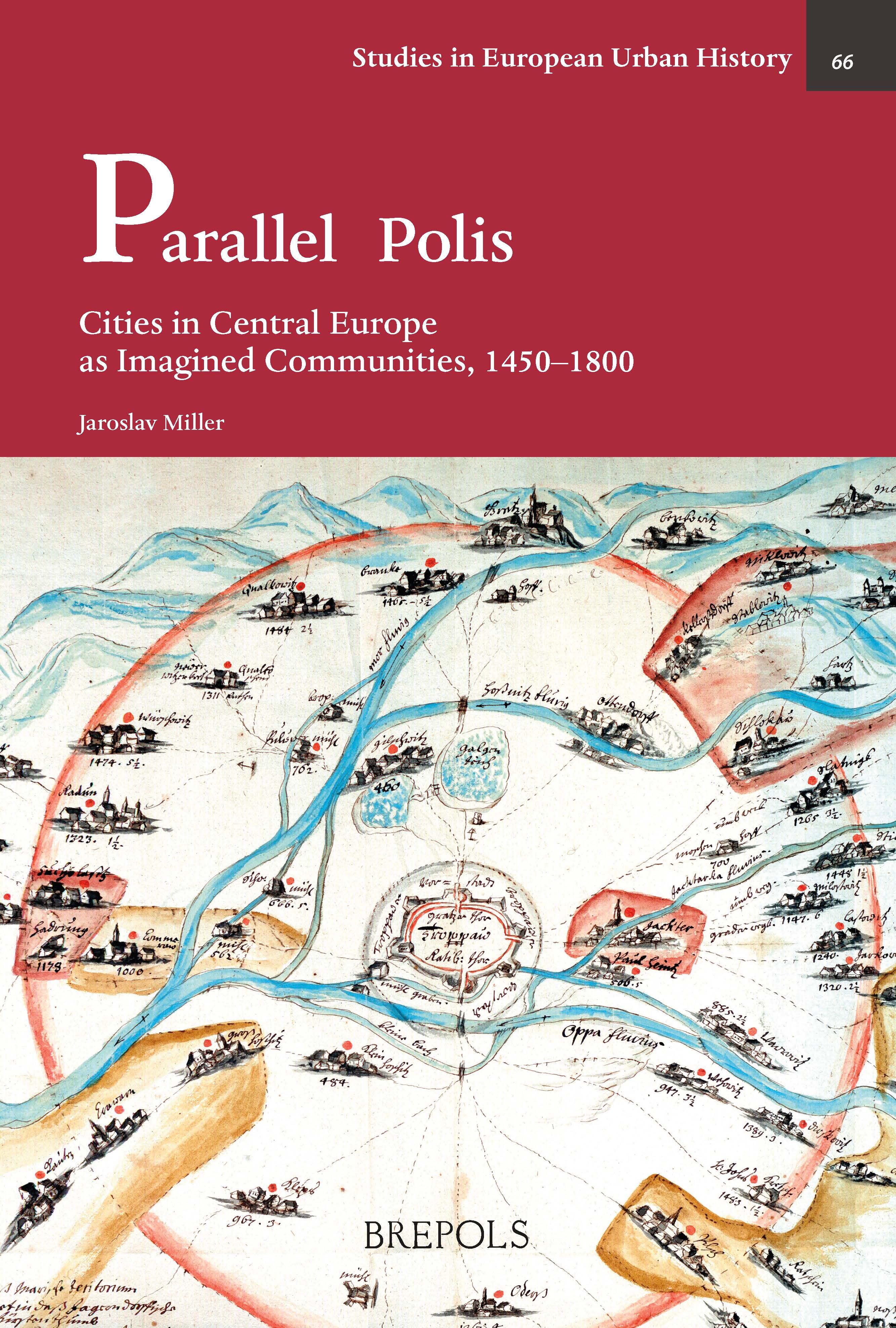


 Power and Women in Southeast and Central Europe in Late Medieval and Early Modern Period (1300-1600)
Volume 10

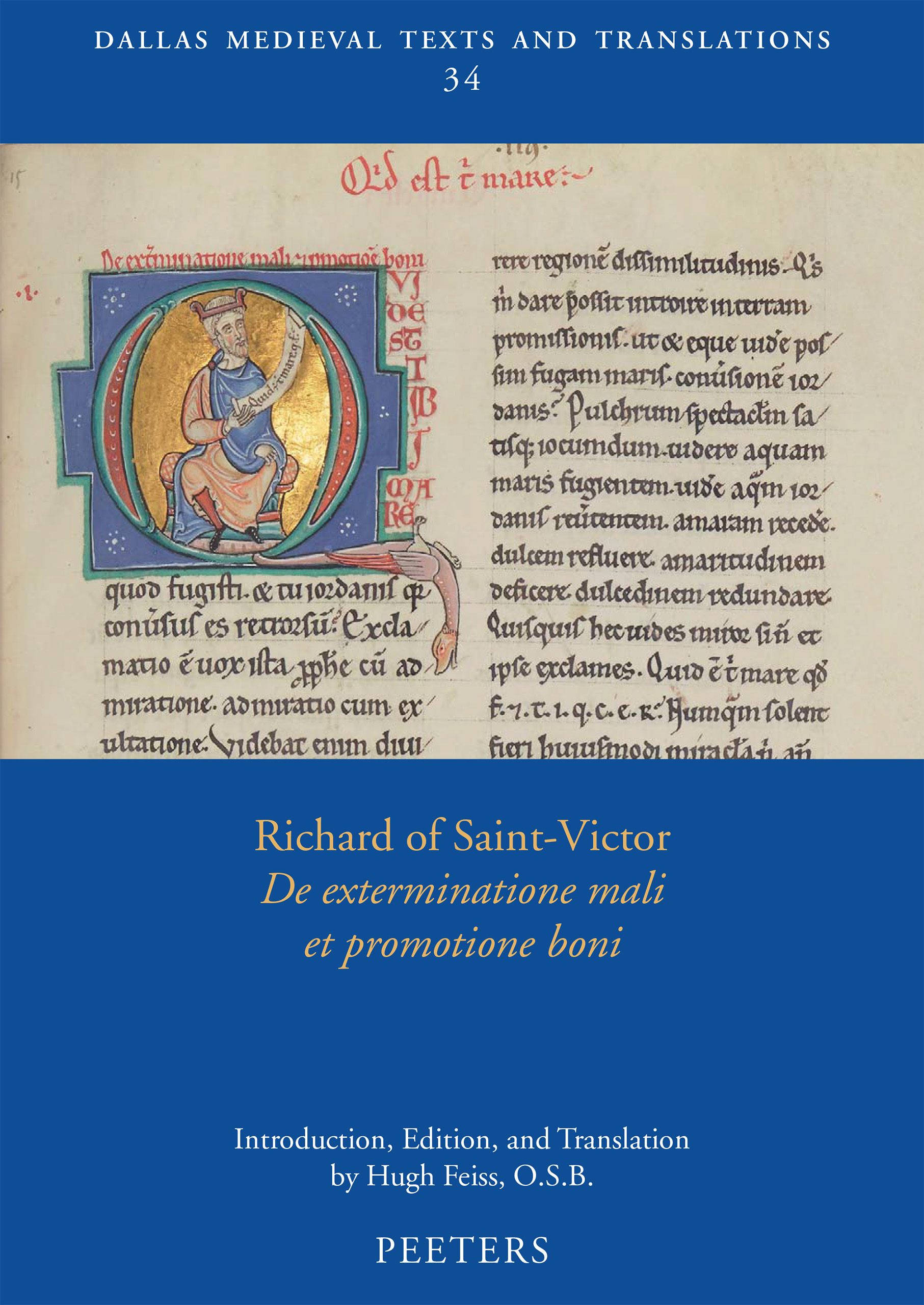
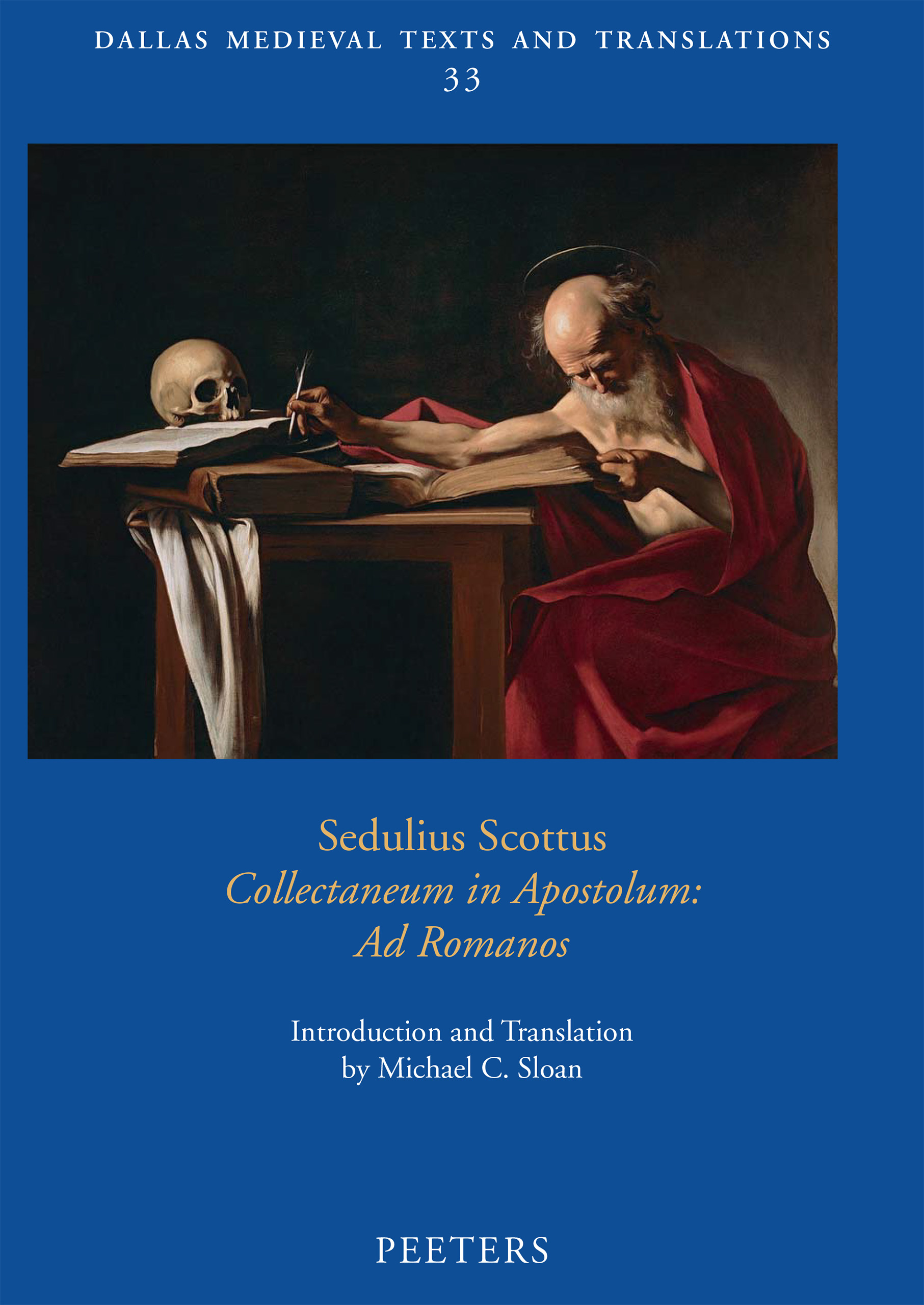


 The Anglo-Norman Bible’s Books of Kings, a Critical Edition
(BL Royal 1 C III, fols 234r-274v)
Volume 37


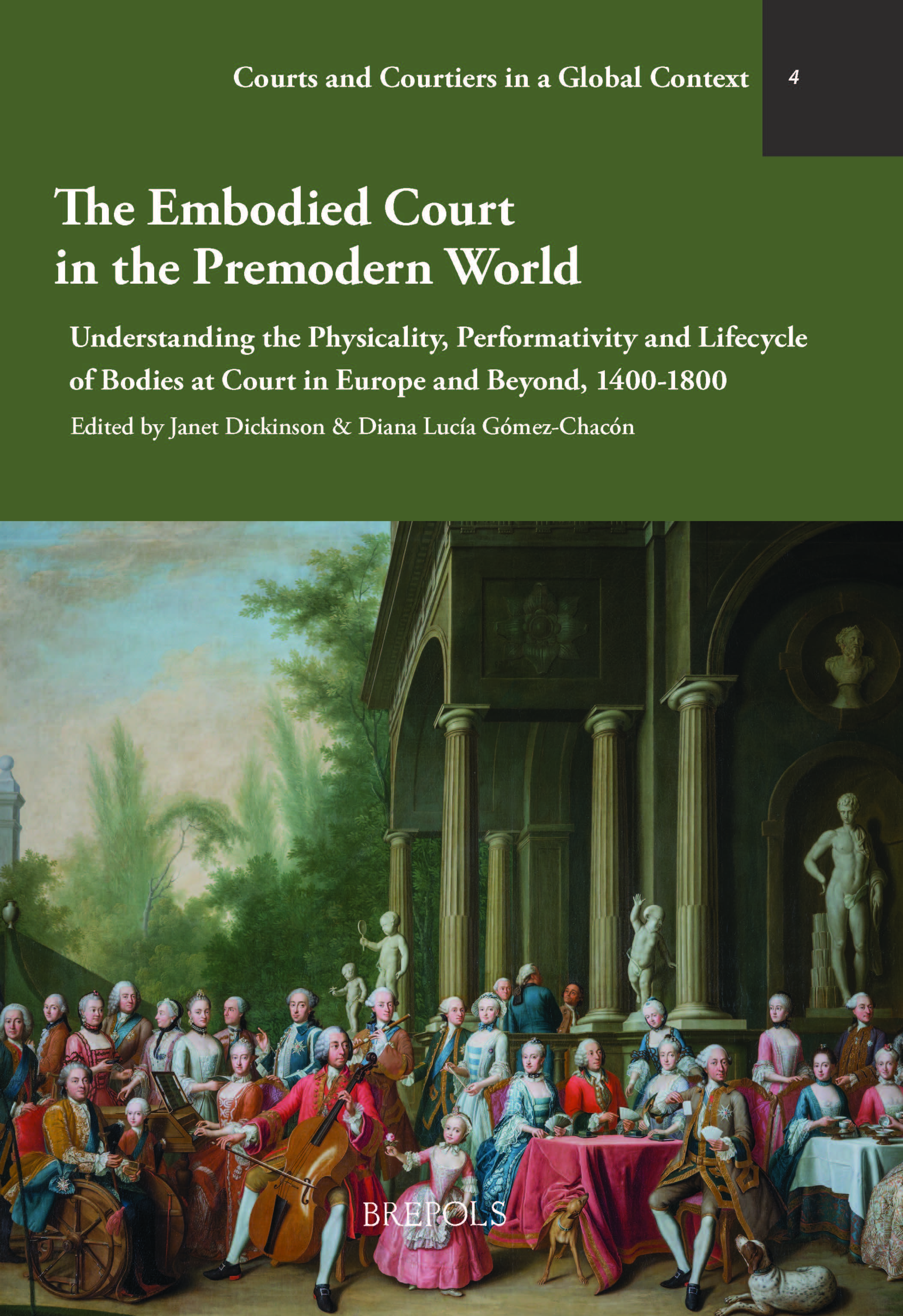 The Embodied Court in the Premodern World
Understanding the Physicality, Performativity and Lifecycle of Bodies at Court in Europe and Beyond, 1400-1800
Volume 4


