The Vase Bally: Captives on a Late Predynastic Decorated Stone Vessel
A Study of the 'Bound Prisoner' and Related Motifs in Early Egypt
By (author) S. Hendrickx By (author) F. Förster
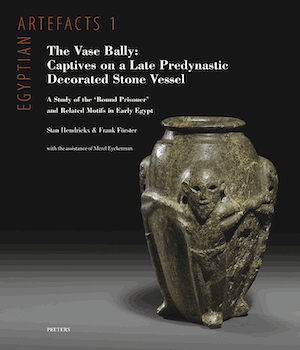
The Vase Bally, named after its first owner, Swiss businessman Eduard Bally (1847-1926) who acquired it in Luxor in 1904, is one of the most exquisite late Predynastic decorated stone vessels ever discovered in Egypt. First published and discussed by Egyptologist Henri Wild in 1948, the vessel, made of dark-green serpentine and measuring 18.6 cm in height, and its exceptional figural decoration, showing three bound captives in raised relief, deserve a new in-depth study in the light of current research on Predynastic and Early Dynastic art and iconography. This lavishly illustrated book offers a detailed study of this unique object and its decoration, as well as discussions of its possible ritual use, meaning, and sociocultural significance. Moreover, it places its iconography within the early development of the bound prisoner and related motifs of interpersonal violence at a time that was crucial for state formation in Egypt. Without doubt, the visual expression of domination and violence against real or potential opponents was a fundamental aspect of the self-image and representation of the ruling elite in those times. Exhaustive catalogues of related objects and representations, including some lesser known or even hitherto unpublished artefacts, as well as famous objects of art such as the Narmer Macehead and Palette, are an integral part of the study.
- By (author) S. Hendrickx
- By (author) F. Förster
Similar Books
 A Collaborative Tapestry in Honour of Shirley Ann Brown / Une fresque brodée en l’honneur de Shirley Ann Brown
The Bayeux Tapestry Seen by her Colleagues and Friends / La Tapisserie de Bayeux vue par ses collègues et amis



 Balthasar Caymox of Nuremberg
Early Modern German Print Publishers: Popular Prints of the Seventeenth Century


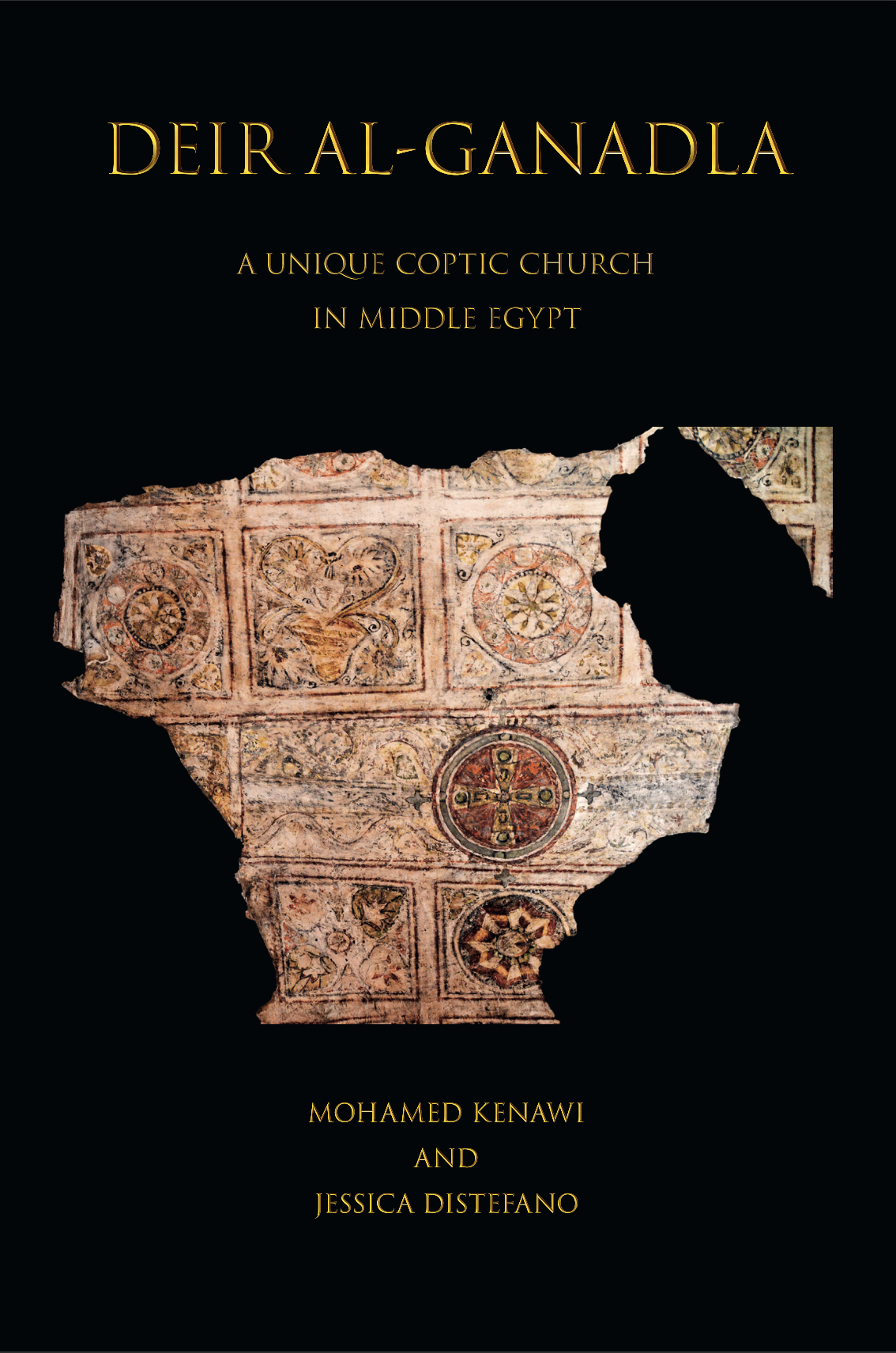


 ENTANGLED AFRICA
Intra-African Relations Between Rain Forest and Mediterranean from Around 4,000 BCE to 1,500 CE


 Gold, Silver and Glass: Power Networks, Cultural Identities, Technology Transfers and Agency across the Old World (7th Century BC – 1st Century AD)
Proceedings of a Conference Held at the British Museum, 16–18 June 2023


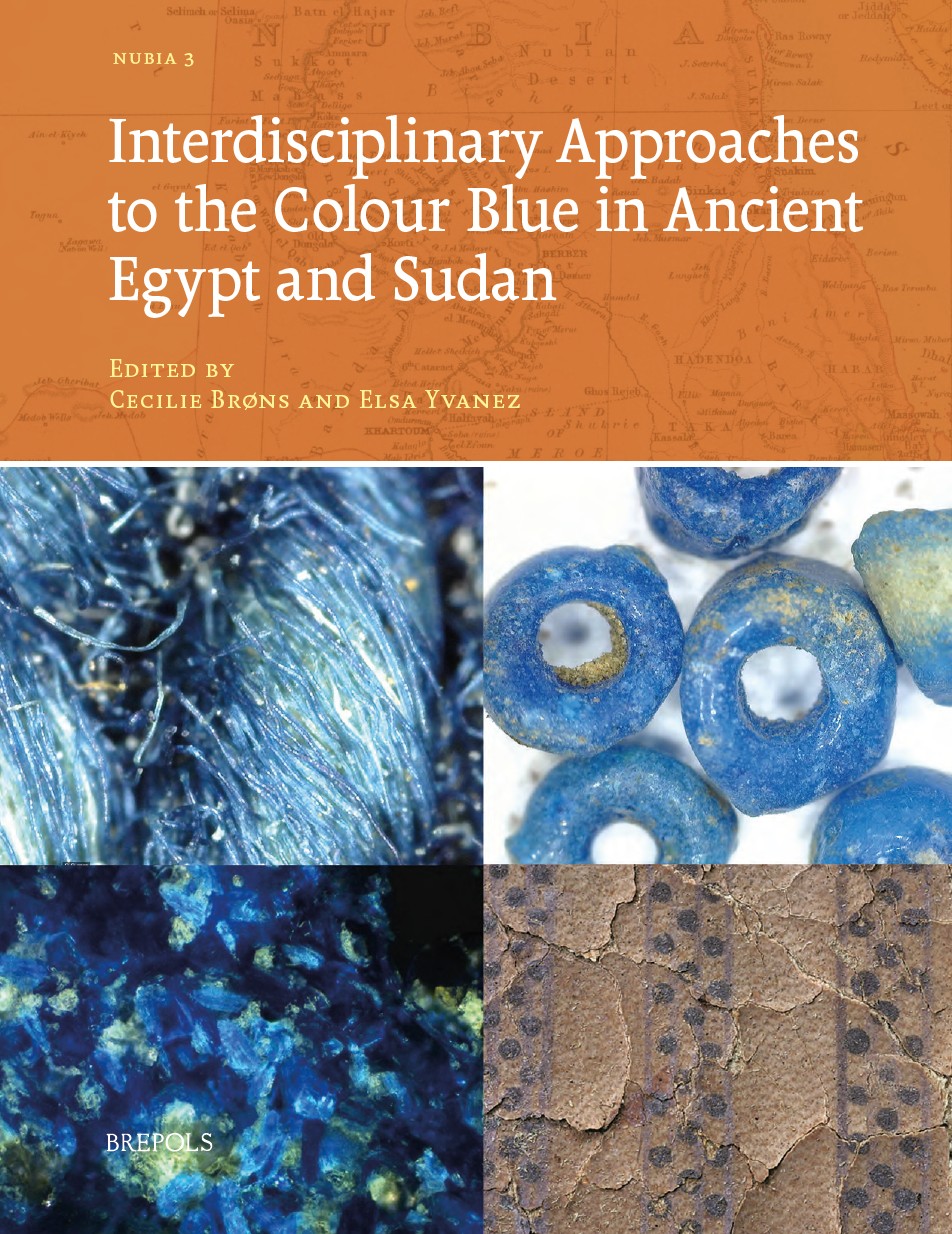


 Legal Visuality
Exegesis, Ambiguity, and Dissimulation of the Donation of Constantine in the Early Modern Period

 Listening to the Swan Song
More-than-Human Beings and Sounds in Literature and Culture Through the Ages


 Monastic Manuscripts from the Eastern Mediterranean (Sinai, Jerusalem, Antioch)
Production, Use, and Contexts



 Naples as Laboratory / Laboratorium Neapel
Style Options, Artistic Rivalry and Self Fashioning in Neapolitan Baroque Painting / Plurale Stilbildung, Kunstlerkonkurrenz und Self Fashioning in der neapolitanischen Barockmalerei

 Nurturing the Elite
Representations of Drinking, Eating, and Religious Vessels in Palmyrene Funerary Iconography
Volume 13


 Portraying the Individual in the Roman East
Local–Imperial Entanglements in Sculpture, Mosaics, and Paintings (First–Fourth Centuries AD)
Volume 18