Parts and Wholes
Edited by Andrew W. Arlig
Philosophy can be characterized as the art of radical questioning. And the more fundamental the target of a question is, the more radical is that question. In this respect, ‘what is there?’ certainly belongs to the top five. In 1953, W.V.O. Quine published his famous “On What There Is,” where he notes—after stressing the simplicity of the question and the difficulty to answer it—that “the issue has stayed alive down the centuries.” True! And while this question still puzzles philosophers today, the present series draws inspiration from Quine’s prodding to the problem’s long history and takes up the issue in the past tense. More precisely, with its focus ‘on what there was,’ the series aims to explore how philosophers around the Mediterranean during the formative period of Western thought, i.e., between approximately 500 and 1650 CE, conceived of the ontological furniture of the world.
- Edited by Arlig, Andrew W.
Similar Books


 Drunk the Potion, No Whit Charmed
The Doctrine of Pure and Perfect Souls from Iamblichus to Damascius
 Éthique, politique, religions
Superstition (XVIIe - XXIe siècles). Sémantique, histoires et cultures


 La Lettre clandestine
La littérature philosophique clandestine, ses éditeurs et ses éditions
Volume 34
 Libertinage et philosophie à l’époque classique (XVIe-XVIIIe siècle)
Athéisme, Modernité et Sécularisation / Atheism, Modernity and Secularization
Volume 23


 Political Thought and Eleventh-Century Populism
The Meek, the Many, and the Meritorious during the Age of the Gregorian Reform
Volume 38


 The Latin Hermes in Translation
Asclepius, Glosses on Trismegistus, Book of Six Principles of Things, Book of 24 Philosophers
Volume 50



 ‘Emergente Evolution’?
Fallstudien zur philosophischen Rekonstruktion und schopfungstheologischen Rezeption eines naturalistischen Paradigmas
Volume 40
 Al-Ğābirīs Genese und Kritik der Arabischen Vernunft
On Genesis and Critique of Arab Reason by Muḥammed ʿĀbid al-Ğābirī


 Das Dasein und das isolierte Subjekt
Die Frage der philosophischen Selbstinterpretation des Menschen bei Heidegger


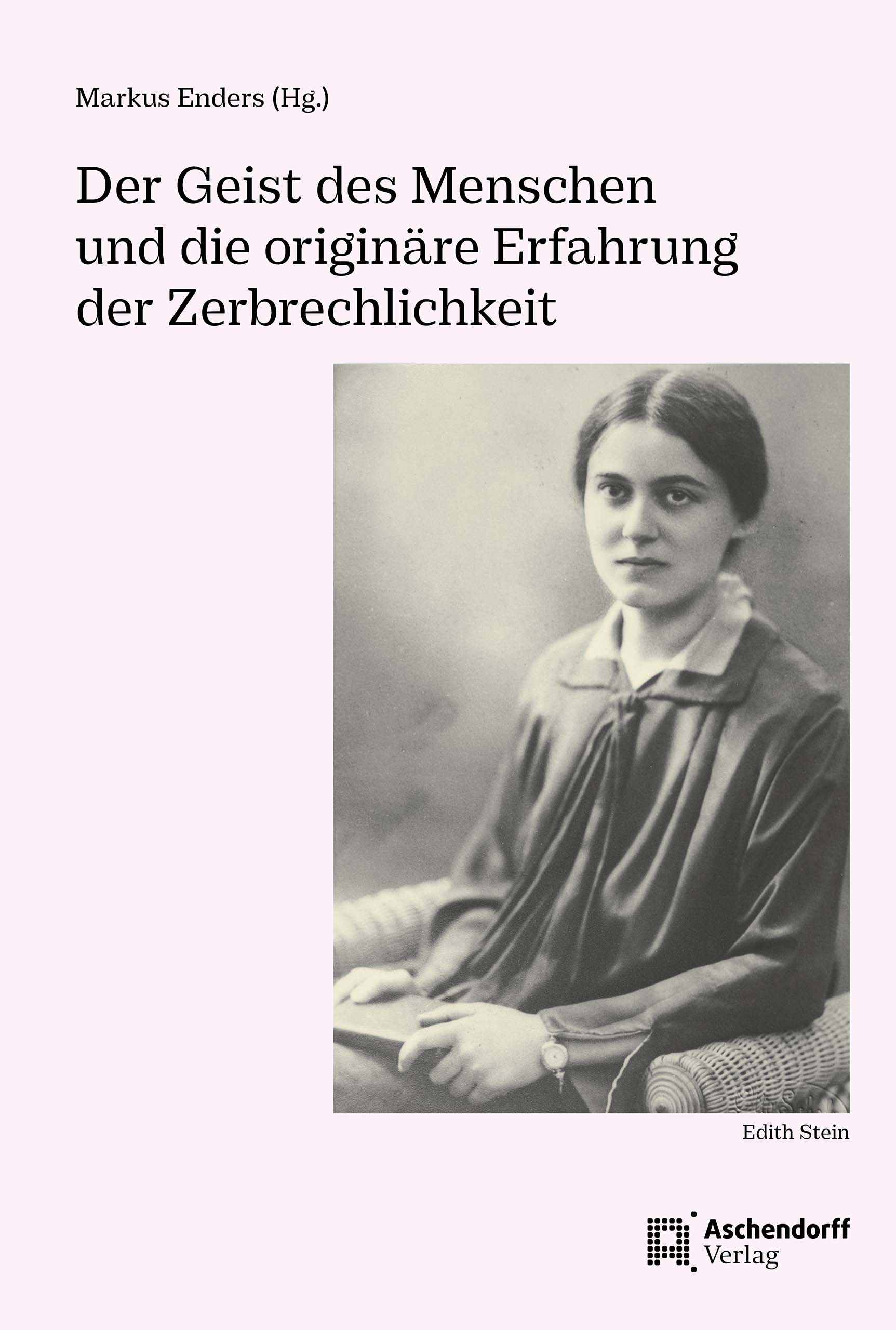 Der Geist des Menschen und die originäre Erfahrung der Zerbrechlichkeit
Eine philosophisch-theologische Grundlegung nach Edith Stein im Dialog mit der medizinischen Anthropologie und der existentiellen Psychologie