
Bordering Early Modern Europe
edited by Maria Baramova, Grigor Boykov and Ivan Parvev

Hardback (Published)
(May 2015)
ISBN: 9783447104029
6.65 x 9.45 inches
Price: $95.00
In stock
The present volume includes the papers of nineteen historians who participated in the conference “Bordering Early Modern Europe” held in Sofia in March 2013. Building on the achievements of previous scholarship on European borders during the Early Modern period and on the current understanding of European boundaries, the essays in the present volume offer a new interpretation of various aspects of the theme of borders in Europe, as well as new impulses for future research.
Borders are usually understood as divisions between cultures, languages and political and confessional systems. Throughout Antiquity and the Middle Ages, however, borders and frontiers were not conceived of as straight lines marking territories and political dominions, but they were mostly perceived as symbolic areas which, instead of purely dividing, were rather contested and debated zones. Their most pervasive feature was contact rather than separation. The dynamic and profound changes in Early Modern European society, such as the emergence of the idea of the territorial state, the great geographical discoveries and the beginning of modern cartography, shaped a new vision of the delineating border. The Early Modern era was the period when the loose concept of border was gradually consolidated in a more refined view of the concept of frontiers and spatial divisions in Europe. Yet, even though during the Early Modern period the lines of religious, political and ideological separation crystallized to define a completely new notion of state and regional frontiers in the modern sense, recent scholarship tends to emphasize that modern concepts of national frontiers are not fully applicable to the Early Modern age. The present volume includes the papers of nineteen historians who participated in the conference “Bordering Early Modern Europe” held in Sofia in March 2013. Building on the achievements of previous scholarship on European borders during the Early Modern period and on the current understanding of European boundaries, the essays in the present volume offer a new interpretation of various aspects of the theme of borders in Europe, as well as new impulses for future research.
- Edited by Maria Baramova
- Edited by Grigor Boykov
- Edited by Ivan Parvev
Similar Books


 Balthasar Caymox of Nuremberg
Early Modern German Print Publishers: Popular Prints of the Seventeenth Century
 Beyond Sovereign Courts
Agents and Practices in Early Modern Spanish and Habsburg Diplomacy
Volume 3


 Circulation, Use, Impact
The Consumption of Architectural Books in the Early Modern Eastern Adriatic
Volume 1

 Councils, Conflicts, Correspondence
Urban Diplomacy in Reval (Tallinn) and Lübeck (c. 1470–1570)
Volume 67


 European Drama and Performance Studies
Dramatisations politiques. Théâtre, politique et idéologie au XIXe siècle (1806-1914)
Volume 27


 Innovationes Lovanienses: Arts, Law and Theology at the University of Louvain (1425–1797)
Studium Lovaniense: Learning across Borders, 2
Volume 18

 Legal Visuality
Exegesis, Ambiguity, and Dissimulation of the Donation of Constantine in the Early Modern Period

 Modernization, Crises, Cultural Revolutions
Yugoslavia’s 1960s and 1970s through the amateur film lens

 Naples as Laboratory / Laboratorium Neapel
Style Options, Artistic Rivalry and Self Fashioning in Neapolitan Baroque Painting / Plurale Stilbildung, Kunstlerkonkurrenz und Self Fashioning in der neapolitanischen Barockmalerei


 Power and Women in Southeast and Central Europe in Late Medieval and Early Modern Period (1300-1600)
Volume 10


 Staging the Spectacle of Majesty
Ceremonial, Courtly Space, and Collecting under the Spanish Habsburgs
Volume 9
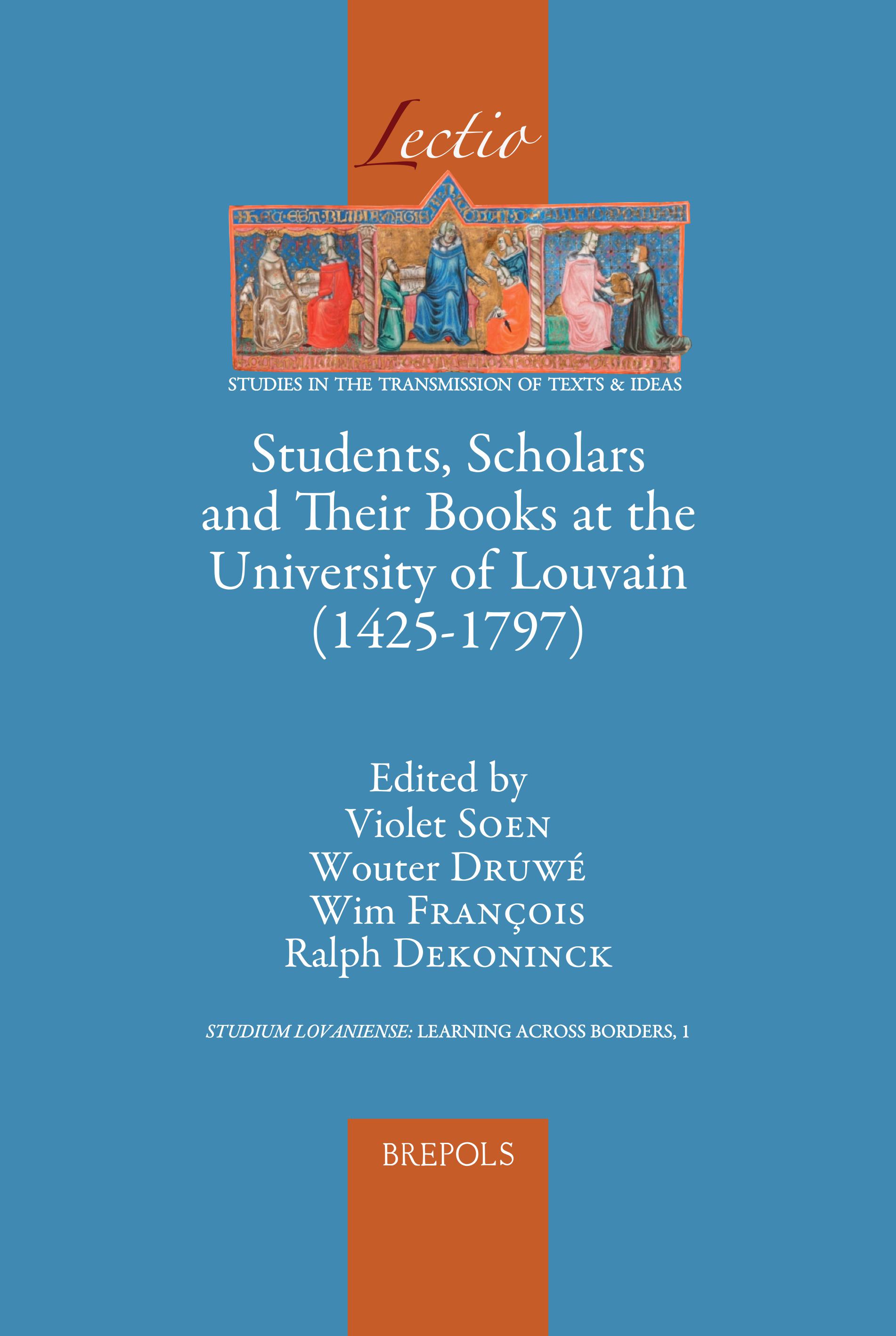 Students, Scholars and Their Books at the University of Louvain (1425-1797)
Studium Lovaniense: Learning across Borders, 1
Volume 17


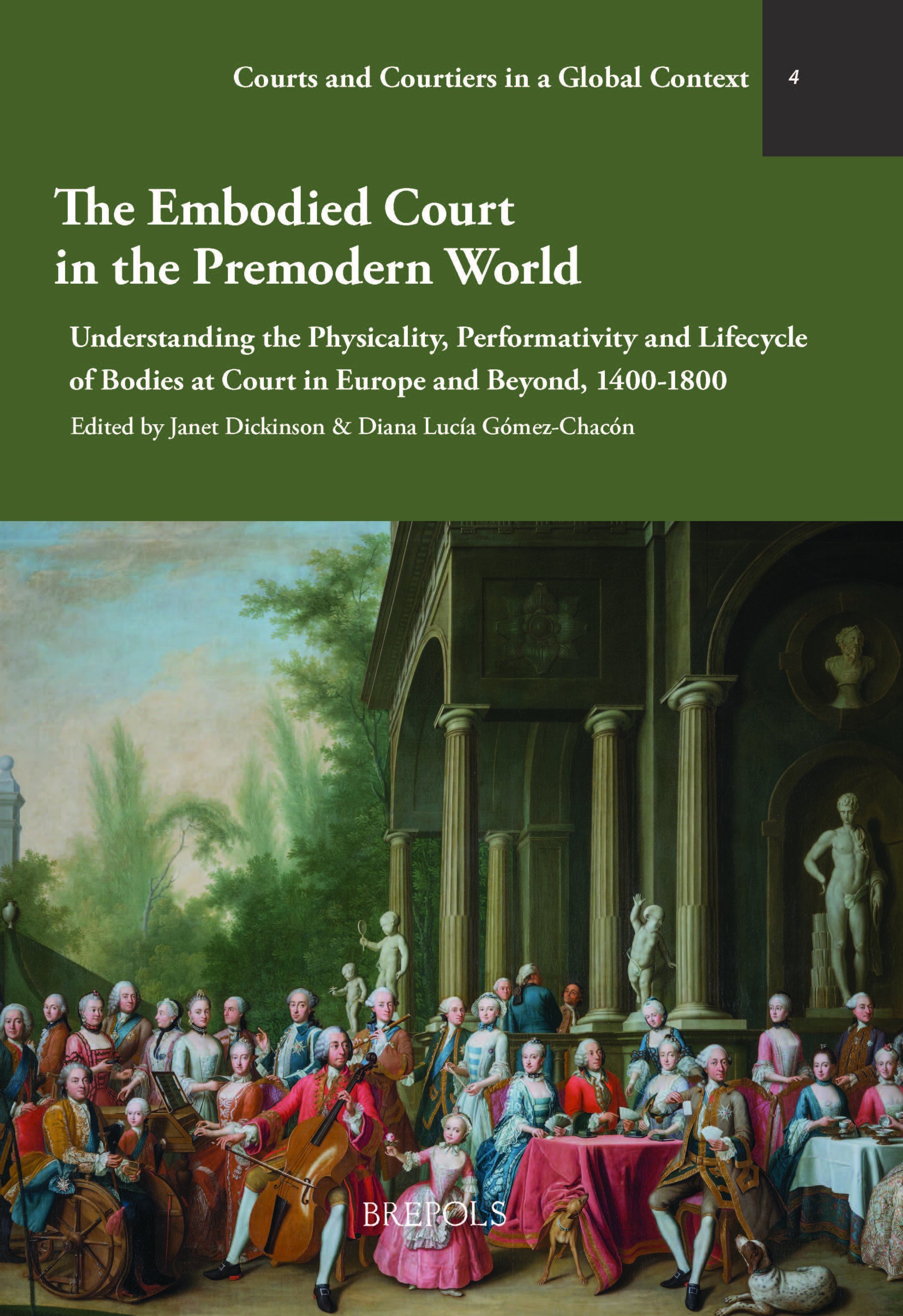 The Embodied Court in the Premodern World
Understanding the Physicality, Performativity and Lifecycle of Bodies at Court in Europe and Beyond, 1400-1800
Volume 4