
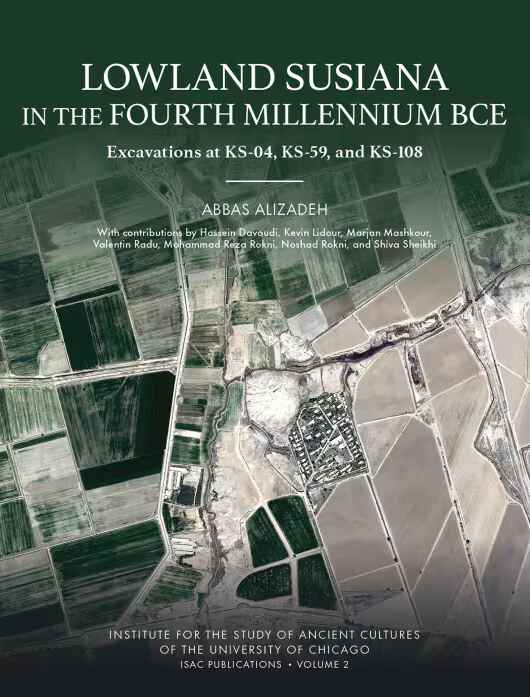
Lowland Susiana in the Fourth Millennium BCE
Excavations at KS-04, KS-59, and KS-108
By (author) Abbas Alizadeh
Hardback (Published)
(June 2026)
ISBN: 9781614911517
9.02 x 11.54 inches
Price: $139.95
In stock
This is the final report on ISAC’s 2004-2006 excavations at three major prehistoric population centers in northern Susiana: KS-04 (Chogha Do Sar), KS-59 (Abu Fanduweh), and KS-108 (Beladieh). ISAC’s stratified excavations at these three sites have revealed important contextual evidence for the processes underlying sociopolitical and economic complexity in prehistoric lowland Susiana.
During two seasons in 2004-2006, the Institute for the Study of Ancient Cultures excavated three major prehistoric population centers in northern Susiana, in the modern-day province of Khuzestan, Iran: KS-04 (Chogha Do Sar), KS-59 (Abu Fanduweh), and KS-108 (Beladieh). The three sites were chosen because of their large size and the prominent role they have played in analyses of the pottery typology, chronology, and politics of fourth-millennium BCE Susiana. Most researchers consider the fourth millennium to be a pivotal period in the development of state-level organization in southwestern Iran. During this time, KS-04, KS-59, and KS-108, along with Chogha Mish and Susa, constituted the region’s major polities. Whereas much of the theoretical framework concerning the local origins of sociopolitical complexity has been based on excavated materials from Susa and Chogha Mish, interpretations of KS-04, KS-59, and KS-108 have largely been derived from surface surveys. ISAC’s stratified excavations at these three population centers have now provided important contextual evidence for the processes underlying sociopolitical and economic complexity in prehistoric lowland Susiana.
Foreword
List of Figures
List of Tables
List of Plates
Abbreviations
Bibliography
Introduction
1. Khuzestan’s Environment
2. Lowland Susiana in the Fourth and Early Third Millennia BCE
3. Surveys and Excavations
4. Pottery
5. Administrative Technology
6. Small Objects
Appendix A. Robert McCormick Adams’s 1960–61 Survey of Khuzestan
Appendix B. Faunal Remains of KS-59 (Abu Fanduweh)
Appendix C. Existing Fauna of Northern Khuzestan
Appendix D. Existing Flora of Northern Khuzestan
Plates
Abbas Alizadeh is a research associate professor of Iranian archaeology and director of the Iranian Prehistoric Project at the Institute for the Study of Ancient Cultures. A leading specialist in the archaeology of prehistoric and ancient Iran, he has conducted extensive archaeological excavations and surveys across Iran, Iraq, Anatolia, and the Levant, with a particular focus on the development of early complex societies, settlement systems, craft production, and the long-term history of human communities in southwestern Iran. Alizadeh’s work has made major contributions to the study of Iranian prehistory, including research at Chogha Bonut, Chogha Mish, Tall-e Bakun, and other important sites. Through fieldwork, publication, teaching, and collaboration with Iranian colleagues and institutions, he has helped document and preserve archaeological evidence central to understanding the emergence of village life, social complexity, and early state formation in the ancient Middle East. Across his career, Alizadeh has also played an important role in fostering international scholarly collaboration and training new generations of archaeologists. His work reflects ISAC’s long-standing commitment to rigorous field research, cultural heritage preservation, and the study of ancient societies through sustained collaboration across regions, disciplines, and institutions.
- By (author) Abbas Alizadeh
Other Titles in this Series
 Medinet Habu X
The Eighteenth Dynasty Temple, Part II: The Facade, Pillars, and Architrave Inscriptions of the Thutmosid Peripteros
Volume 1
Similar Books





 Boğazköy Tablets in the Museum of Anatolian Civilizations (Bo 9032–Bo 9097)
Anadolu Medeniyetleri Müzesinde Bulunan Boğazköy Tabletleri (Bo 9032–Bo 9097)
Volume 4
 Connecting the Dots: Counting, Writing, and the Beginnings of Civilization
The Secret Lives of Clay Tokens: A Memoir
 Curating the Prehistoric Past
Studies on West Asian Archaeology and Beyond in Honour of Yoshihiro Nishiaki

 Exploring Gender Dynamics across the Ancient Near East
Collected Essays of Gender and Methodology in the Ancient Near East (GeMANE) 4 and 5
Volume 7


 Ḫattušaš utnē išḫameški
Hittite and Other Ancient Near Eastern Studies Presented to Piotr Taracha on the Occasion of His 65th Birthday


 Kultur – Kontakt – Kultur
Beiträge anlässlich der 66. Rencontre Assyriologique Internationale in Frankfurt/Main und Mainz, 25.–29. Juli 2022
Volume 35
 Money of Mercenaries in the Cimmerian Bosporus
From the Mithridatic Wars to the Roman-Bosporan War of AD 45-49
Volume 45
 New Research on Old Collections in Southwest Asian Archaeology
Proceedings of the Workshop Held at the British Museum, London, 31 July – 2 August, 2023
 Old Aramaic Inscriptions and their Contexts
An Epigraphic, Archaeological, and Historical Synthesis
Volume 63

 Politics, Peoples, and Polities in the Ancient Near East
Proceedings of the 69th Rencontre Assyriologique Internationale, Helsinki
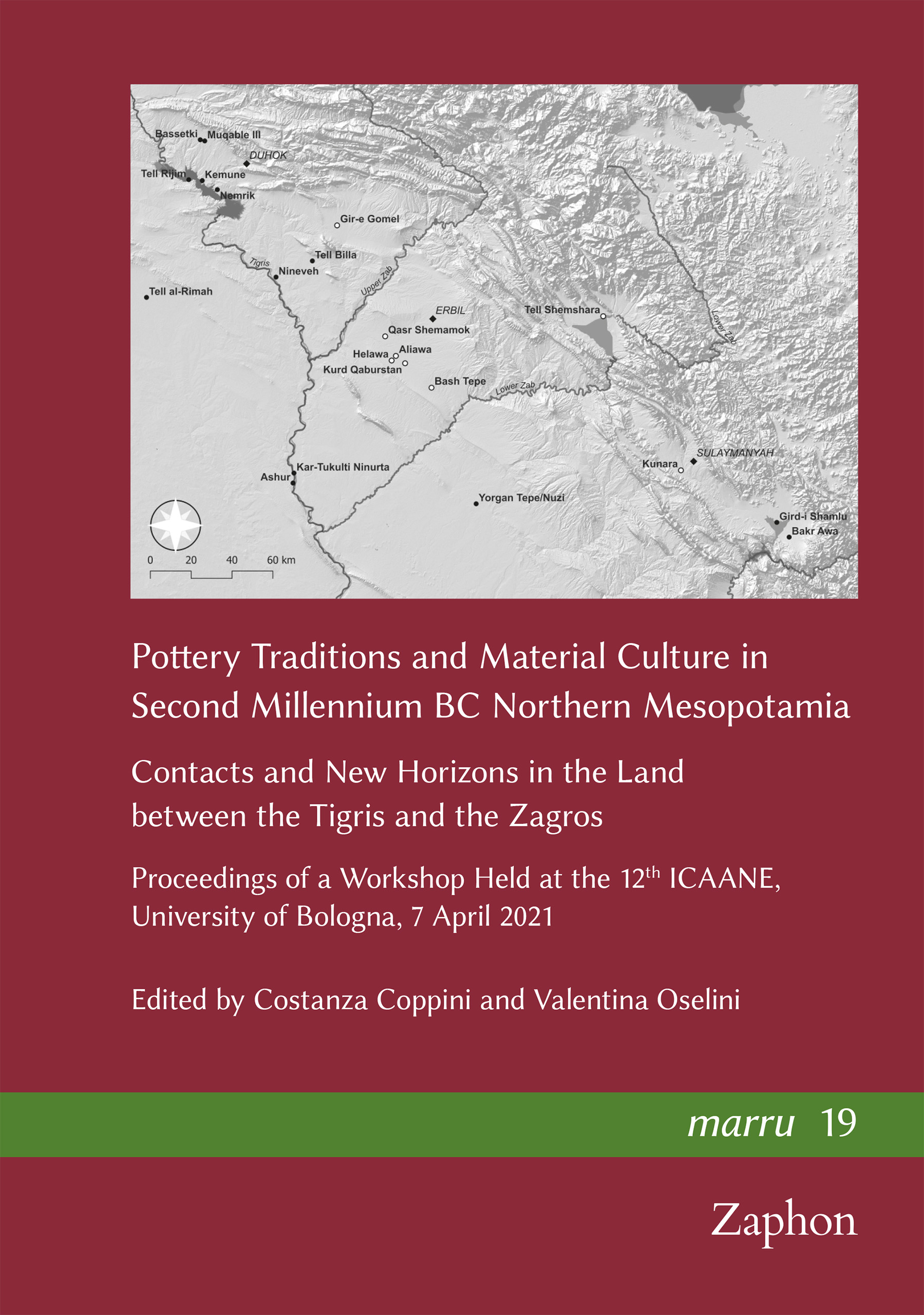 Pottery Traditions and Material Culture in Second Millennium BC Northern Mesopotamia
Contacts and New Horizons in the Land between the Tigris and the Zagros. Proceedings of a Workshop Held at the 12th ICAANE, University of Bologna, 7 April 2021
Volume 19
 Punning in Odd or Elegant Constructions in Jeremiah
The Convergence of Linguistics, Rhetoric, and Textuality in the Hebrew Text of Jeremiah

 Sertorius, the Exiles of the Sullan Regime and the Provinces of the Empire
Legitimacy, Morality and Imperial Discourse in the 70s BCE
 Telling Contexts
Archaeological and Textual Studies in Honor of Elizabeth Bloch-Smith and Mark S. Smith
 The Body
Lived, Cultured, Adorned: Essays on Dress and the Body in the Bible and Ancient Near East in Honor of Nili S. Fox
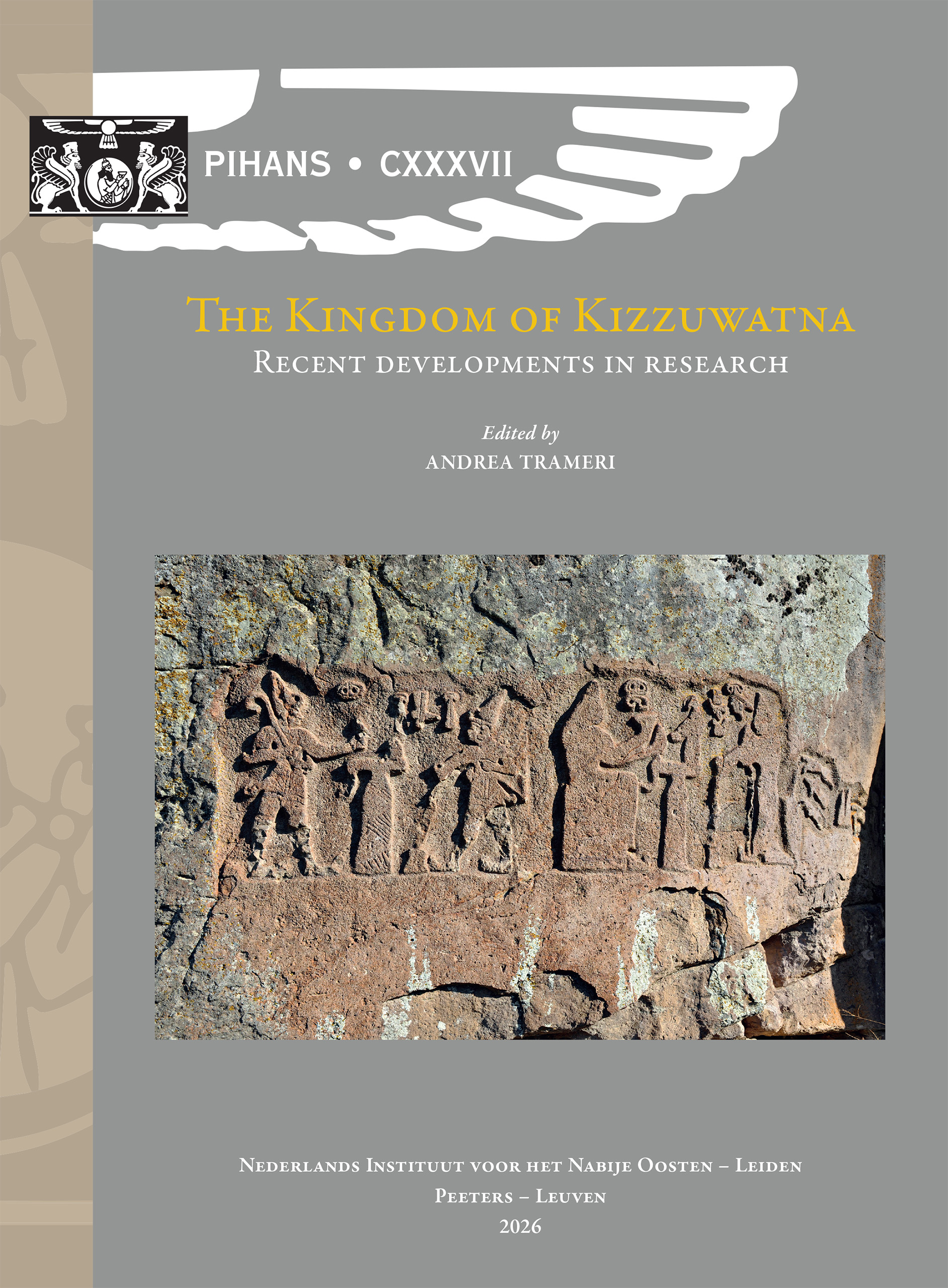 The Kingdom of Kizzuwatna: Recent Developments in Research
Proceedings of the Third NINO Postdoctoral Research Fellow Annual Conference, Leiden, 23rd-25th March 2023
Volume 137

 The Vandals and the Mediterranean / I Vandali e il Mediterraneo
Politics, Economy and Culture of a Barbarian Kingdom / Politica, economia e cultura di un regno barbarico
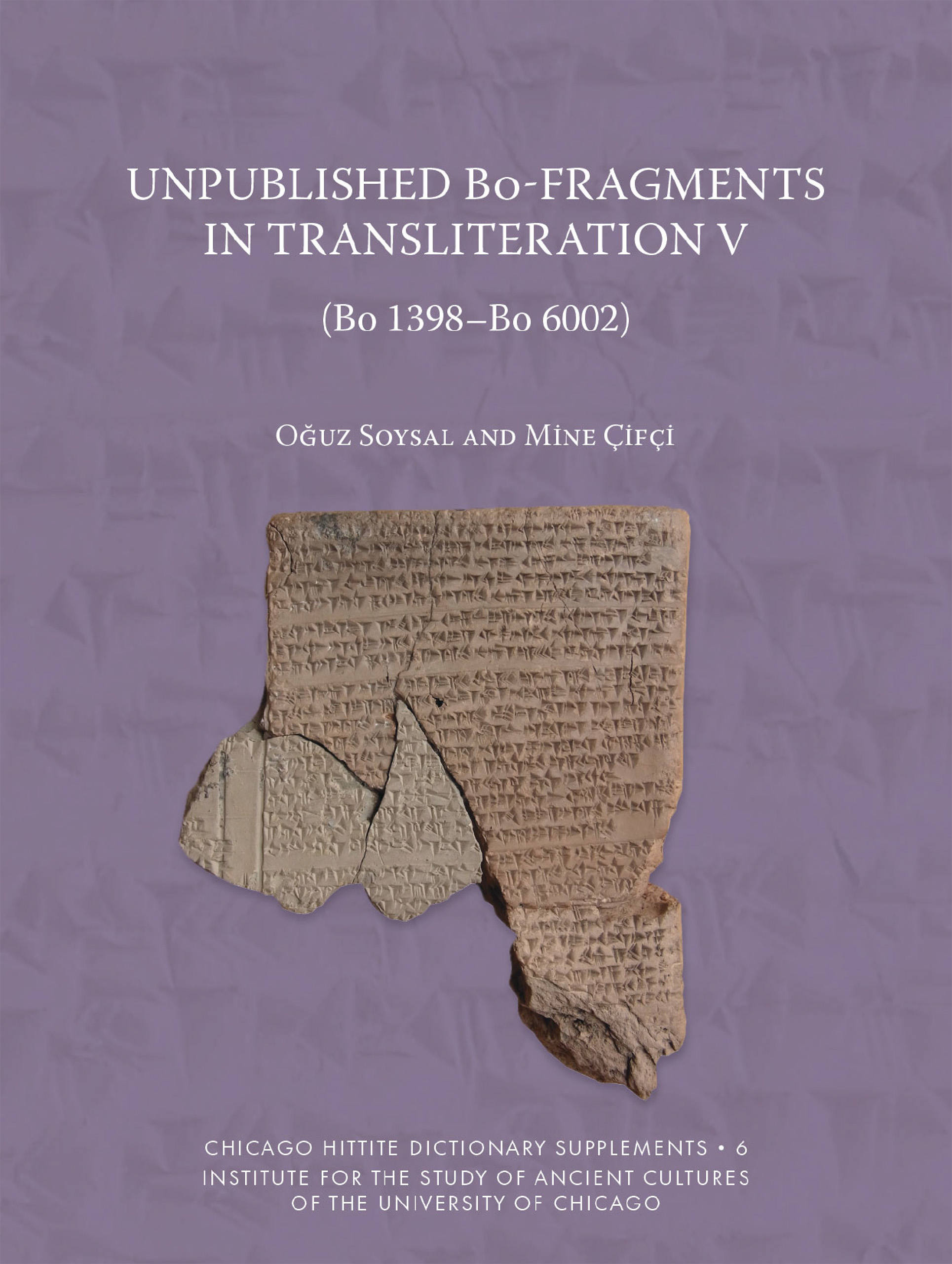

 Die Entwicklung erdbebensicherer Bautechniken in der Frühen und Mittleren Eisenzeit in Ostanatolien
Volume 11
 Die JHWH-Religion und die Vorstellung göttlicher Gesetzgebung
Überschneidungen zwischen der Rechtsentwicklung und der Sphäre der Religion in der Geschichte des antiken Israel und Juda
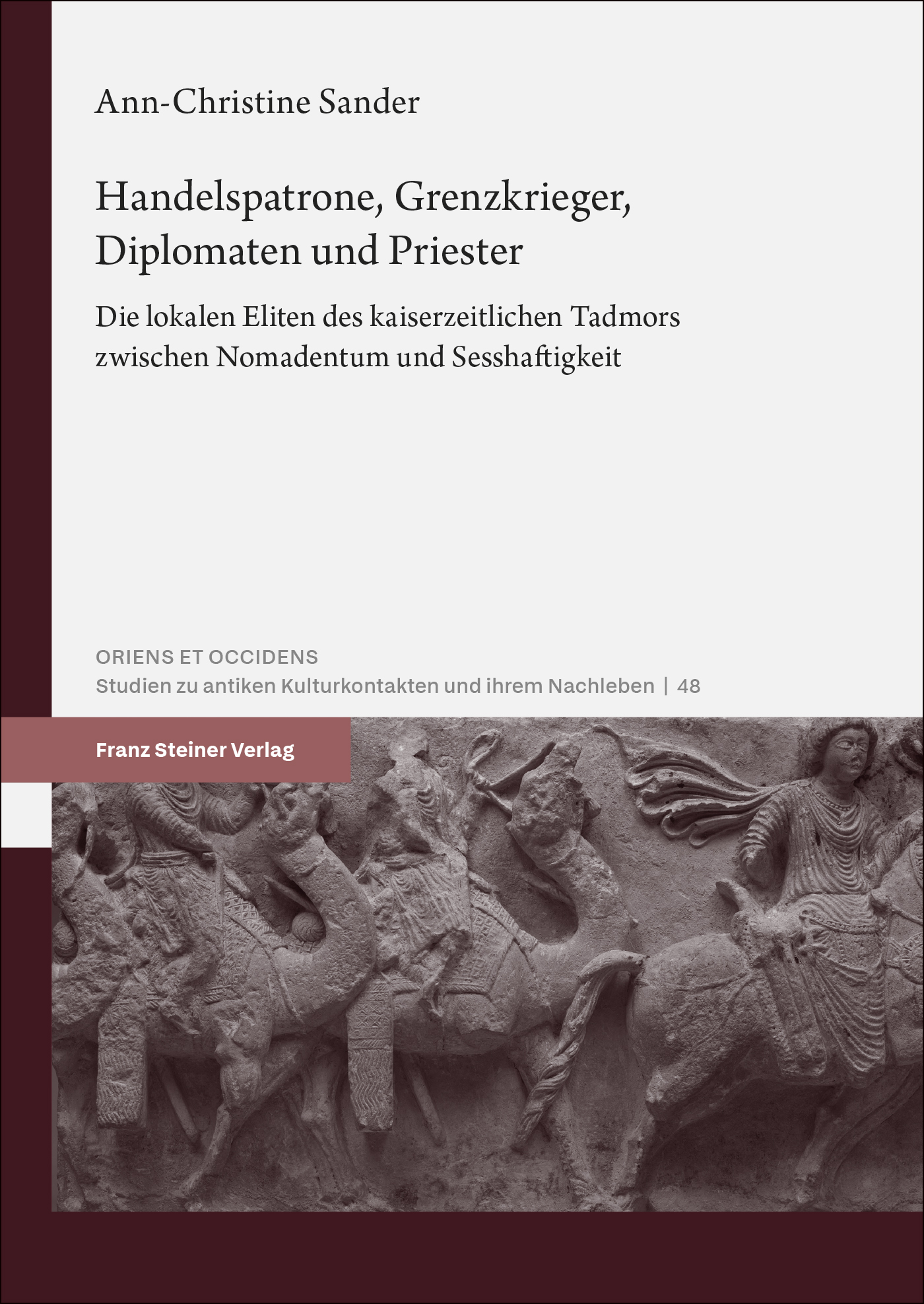 Handelspatrone, Grenzkrieger, Diplomaten und Priester
Die lokalen Eliten des kaiserzeitlichen Tadmors zwischen Nomadentum und Sesshaftigkeit
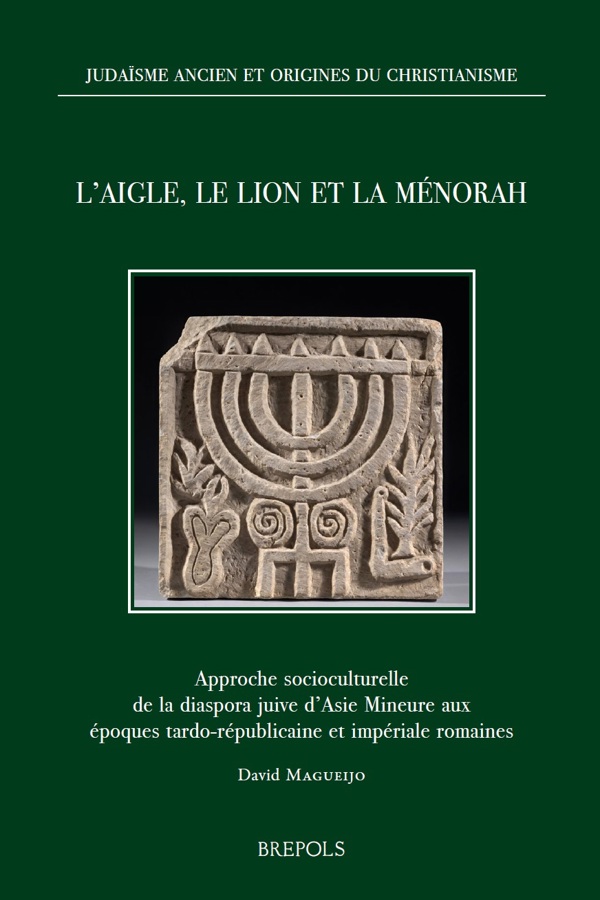 L’aigle, le lion et la Ménorah
Approche socioculturelle de la diaspora juive d’Asie Mineure aux époques tardo-républicaine et impériale romaines