
The Arts of Poetry and Prose
By (author) D Kelly

This fascicule on the medieval arts of poetry and prose emphasizes the Latin treatises. In order to demonstrate their significance – they are few in number – it has been necessary to locate them in the intellectual and scholastic milieux where they were used , and apart from which their real purpose would be, and has been, misunderstood. This will account for the rather large number of references to related or parallel genres. The treatises were part of a program of instruction that had links with and implication for a considerable variety of activities : reading, composition, interpretation, and instruction in grammar, rhetoric, and other arts and sciences, as well as in other kinds of composition like letterwriting, preaching, and scientific, historical, and moral instruction and writing. The vernacular treatises and manuals are discussed in Appendix II. Albeit more numerous than those written for Latin composition, for the most part they are more narrow in scope and elementary than their Latin counterparts. They are a small part of a large and very important phenomenon : the emergence and extension of the vernacular literatures in Western Europe.
This fascicule on the medieval arts of poetry and prose emphasizes the Latin treatises. In order to demonstrate their significance – they are few in number – it has been necessary to locate them in the intellectual and scholastic milieux where they were used , and apart from which their real purpose would be, and has been, misunderstood. This will account for the rather large number of references to related or parallel genres. The treatises were part of a program of instruction that had links with and implication for a considerable variety of activities : reading, composition, interpretation, and instruction in grammar, rhetoric, and other arts and sciences, as well as in other kinds of composition like letterwriting, preaching, and scientific, historical, and moral instruction and writing. The vernacular treatises and manuals are discussed in Appendix II. Albeit more numerous than those written for Latin composition, for the most part they are more narrow in scope and elementary than their Latin counterparts. They are a small part of a large and very important phenomenon : the emergence and extension of the vernacular literatures in Western Europe.
- By (author) D Kelly
Other Titles in this Series


Similar Books
 A Collaborative Tapestry in Honour of Shirley Ann Brown / Une fresque brodée en l’honneur de Shirley Ann Brown
The Bayeux Tapestry Seen by her Colleagues and Friends / La Tapisserie de Bayeux vue par ses collègues et amis

 Behind the Scenes of Medieval Roofs
An Overview of the Roofing Systems of Italian Churches
Volume 90








 Innovation and Medieval Communities
The Circulation of Ideas and Practices in and out of the Town (1200-1500)
Volume 63
 John Dunstaple Reading Boethius
John Dunstaple’s Annotations to Boethius’s “De institutione musica” in the Manuscript Oxford, Corpus Christi College Library, MS 118
 Linguistic and Cultural Dynamics in a Frontier Society
New Perspectives on Northeastern Bavaria and Western Bohemia in the Early Middle Ages
Volume 9

 Medieval Debates on Foreknowledge: Future Contingents, Prophecy, and Divination
Acts of the XXVII Annual Colloquium of the SIEPM, Trento 12-15 September 2023
Volume 31
 Medieval Yeghegis, Armenia
History, Archaeology, Society. Local Multiplicities and Global Connections of a Rural Centre on the Silk Road(s)

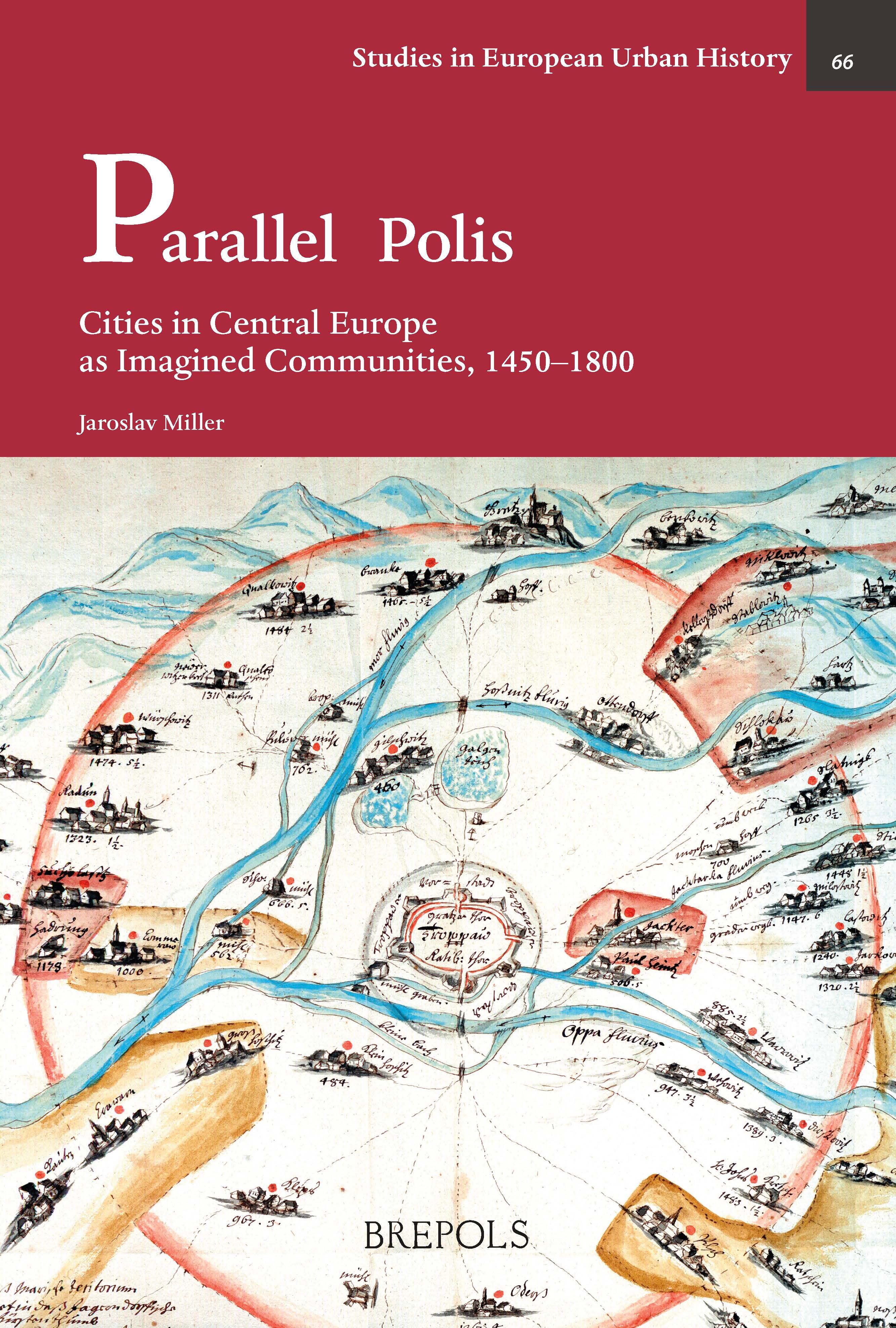


 Power and Women in Southeast and Central Europe in Late Medieval and Early Modern Period (1300-1600)
Volume 10

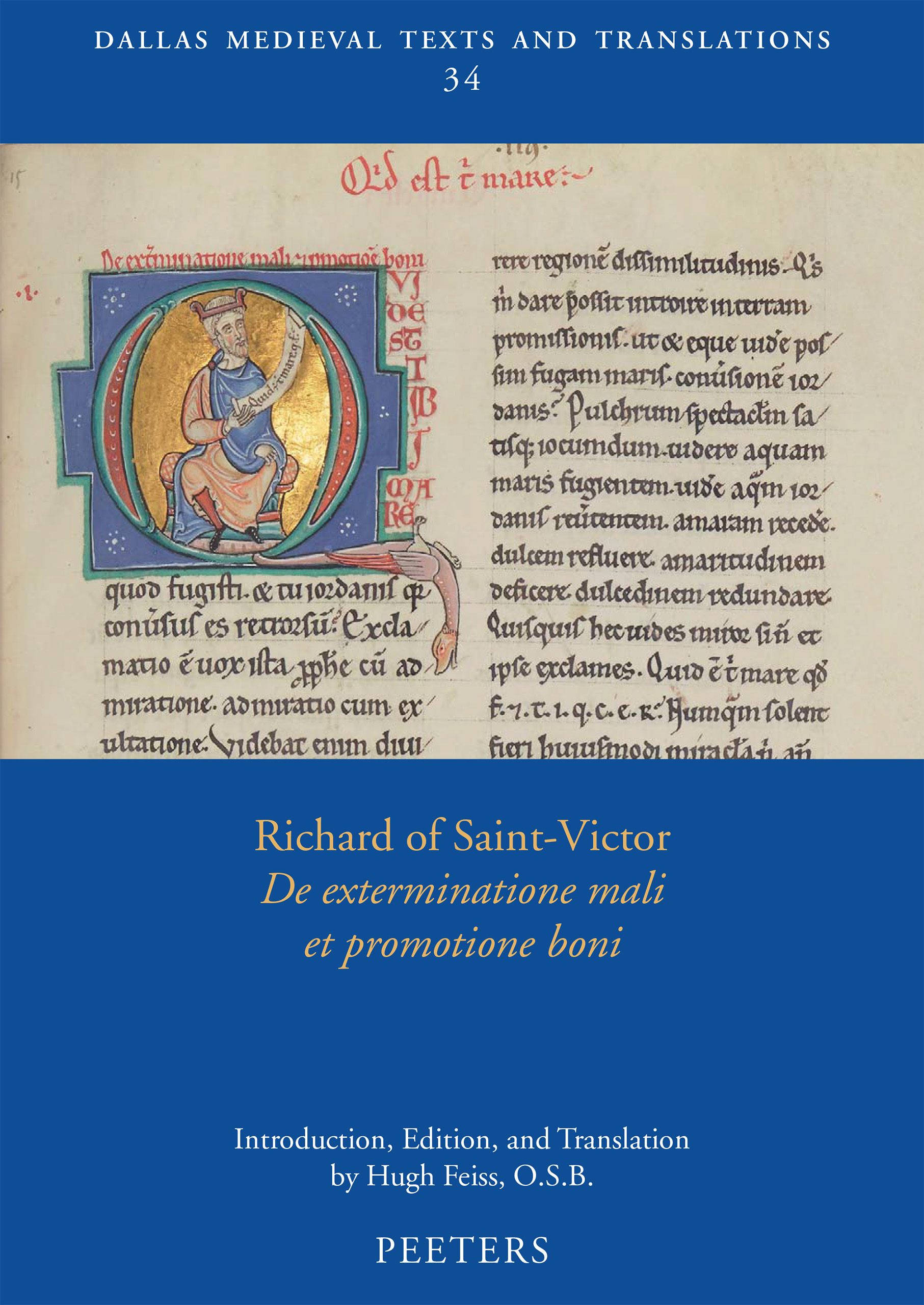
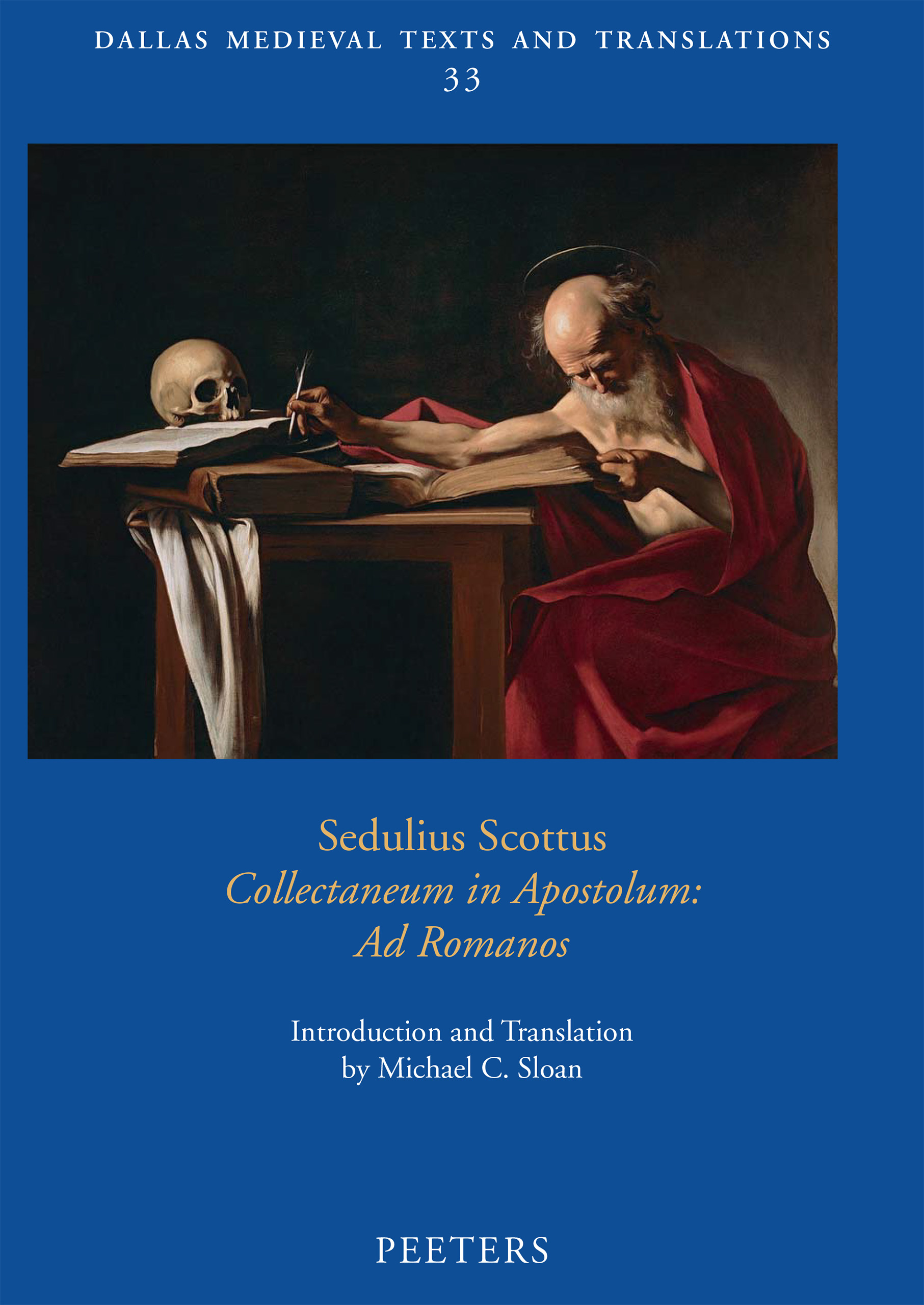


 The Anglo-Norman Bible’s Books of Kings, a Critical Edition
(BL Royal 1 C III, fols 234r-274v)
Volume 37


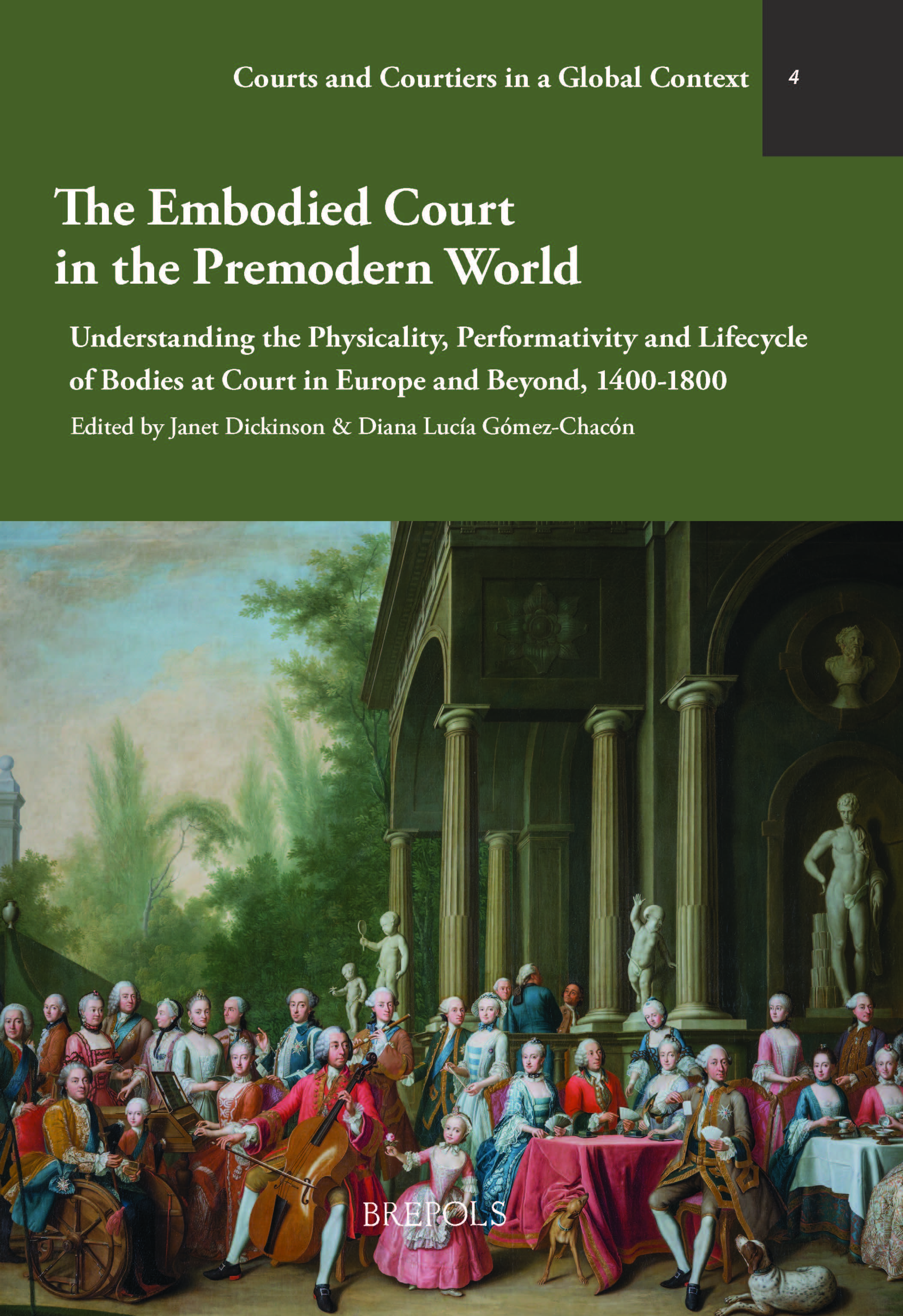 The Embodied Court in the Premodern World
Understanding the Physicality, Performativity and Lifecycle of Bodies at Court in Europe and Beyond, 1400-1800
Volume 4


