
Provincia Pinnensis
Il Medioevo Francescano in Abruzzo. Architettura - Arti figurative - Musica
by Francesco Aceto, Cristiana Pasqualetti and Francesco Zimei

Paperback (Published)
(July 2022)
ISBN: 9788891326089
8.43 x 10.98 inches
Price: $275.00
In stock
English summary: The role played by Penne within the Franciscan Province of Abruzzo, which took its name from the capital of the Vestini, lacked a precise picture. This volume is focused on the architecture, figurative arts and music that flourished in the Provincia Pinnensis during the Middle Ages. Each author, in the common awareness of the symbiotic bond existing between the architectural container and the figurative apparatus, conceived and set up as a seductive stage of variegated performative actions in which the religious sensitivity and beliefs of the medieval man were concretised daily. Francesco Aceto draws up an initial critical assessment of the various and complex territorial and urban planning problems connected with Franciscan architecture, re-discussing consolidated cultural hierarchies on the basis of an exegesis more adherent to Franciscan legislation. Cristiana Pasqualetti, through the ideal re-composition of the lost figurative contexts, conducts her research by following the trace of every minimal surviving material, exposing the ideological-religious background of the communicative strategies put in place by the Order and by lay patronage. Francesco Zimei, conducting deep research in European and overseas archives and libraries, but also drawing on the treasures of information hidden in the figurative arts, has outlined a history full of unprecedented perspectives in regard to a particular poetic-musical genre rooted in the deepest layers of popular culture, the Lauda, made tangible here by the enclosed recording of a hitherto unpublished repertoire, shedding new light on the territory’s traditions. Italian description: A questo quadro cosi puntuale mancava tuttavia il ruolo tenuto da Penne nell’ambito della Provincia francescana abruzzese, che proprio dalla capitale dei Vestini prese il nome. Un argomento fin dall’inizio voluto e perseguito da Lucio Marcotullio, che nella sua profonda religiosita coniugava un rigore etico quasi da antico stoico con la charitas cristiana, una visione non lontana dalla predicazione di san Francesco. Nacque cosi il progetto di questo quinto volume incentrato sull’architettura, le arti figurative e la musica fiorite nella Provincia Pinnensis durante il Medioevo, le cui ricerche e prime risultanze lo appassionarono fino ai suoi ultimi giorni di vita. Alla realizzazione del progetto hanno dato il loro qualificato contributo Francesco Aceto, Cristiana Pasqualetti e Francesco Zimei, ognuno col proprio sapere e nondimeno nella comune consapevolezza della simbiotica relazione esistente tra il contenitore architettonico e l’apparato figurativo, pensati e allestiti come un seducente palcoscenico delle variegate azioni performative nelle quali si concretizzavano quotidianamente la sensibilita religiosa e le credenze dell’uomo medievale. Francesco Aceto ha steso un primo bilancio critico delle varie e complesse problematiche territoriali e urbanistiche connesse con l’architettura minoritica, ridiscutendo consolidate gerarchie culturali sulla scorta di una piu aderente esegesi della legislazione francescana. Cristiana Pasqualetti, attraverso l’ideale ricomposizione dei perduti contesti figurativi, restituiti con acume e acribia filologica inseguendo la traccia di ogni minima sopravvivenza materiale, ha puntato a portare allo scoperto, con gli aspetti formali, il retroterra ideologico-religioso delle strategie comunicative messe in campo dall’Ordine e dal patronato laico. Francesco Zimei, pescando a piene mani in archivi e biblioteche europei e d’oltreoceano, ma anche attingendo ai tesori d’informazione celati nelle arti figurative, ha delineato una storia densa d’inedite prospettive di un particolare genere poetico-musicale radicato negli strati profondi della cultura popolare, la lauda, resa qui tangibile dall’acclusa registrazione di un repertorio sinora inedito, che getta nuova luce sulle tradizioni del territorio. A conclusione, un caldo ringraziamento va alla signora Maria Marcotullio che, al di la delle difficolta di questi ultimi tempi, ha voluto con tenacia portare a termine il progetto di questo volume, fin dall’inizio costantemente seguito a fianco dell’amato consorte, e dedicarlo al Papa che del santo porta il nome.
- By (author) Francesco Aceto
- By (author) Cristiana Pasqualetti
- By (author) Francesco Zimei
Other Titles in this Series


Similar Books
 A Collaborative Tapestry in Honour of Shirley Ann Brown / Une fresque brodée en l’honneur de Shirley Ann Brown
The Bayeux Tapestry Seen by her Colleagues and Friends / La Tapisserie de Bayeux vue par ses collègues et amis



 Balthasar Caymox of Nuremberg
Early Modern German Print Publishers: Popular Prints of the Seventeenth Century
 Behind the Scenes of Medieval Roofs
An Overview of the Roofing Systems of Italian Churches
Volume 90


 Circulation, Use, Impact
The Consumption of Architectural Books in the Early Modern Eastern Adriatic
Volume 1






 Innovation and Medieval Communities
The Circulation of Ideas and Practices in and out of the Town (1200-1500)
Volume 63
 John Dunstaple Reading Boethius
John Dunstaple’s Annotations to Boethius’s “De institutione musica” in the Manuscript Oxford, Corpus Christi College Library, MS 118
 Late Antique villae in the Balkans (3rd–7th c. AD): Current Research Questions and Perspectives
HAEMUS Companion to the Late Antique Balkans 1
Volume 4
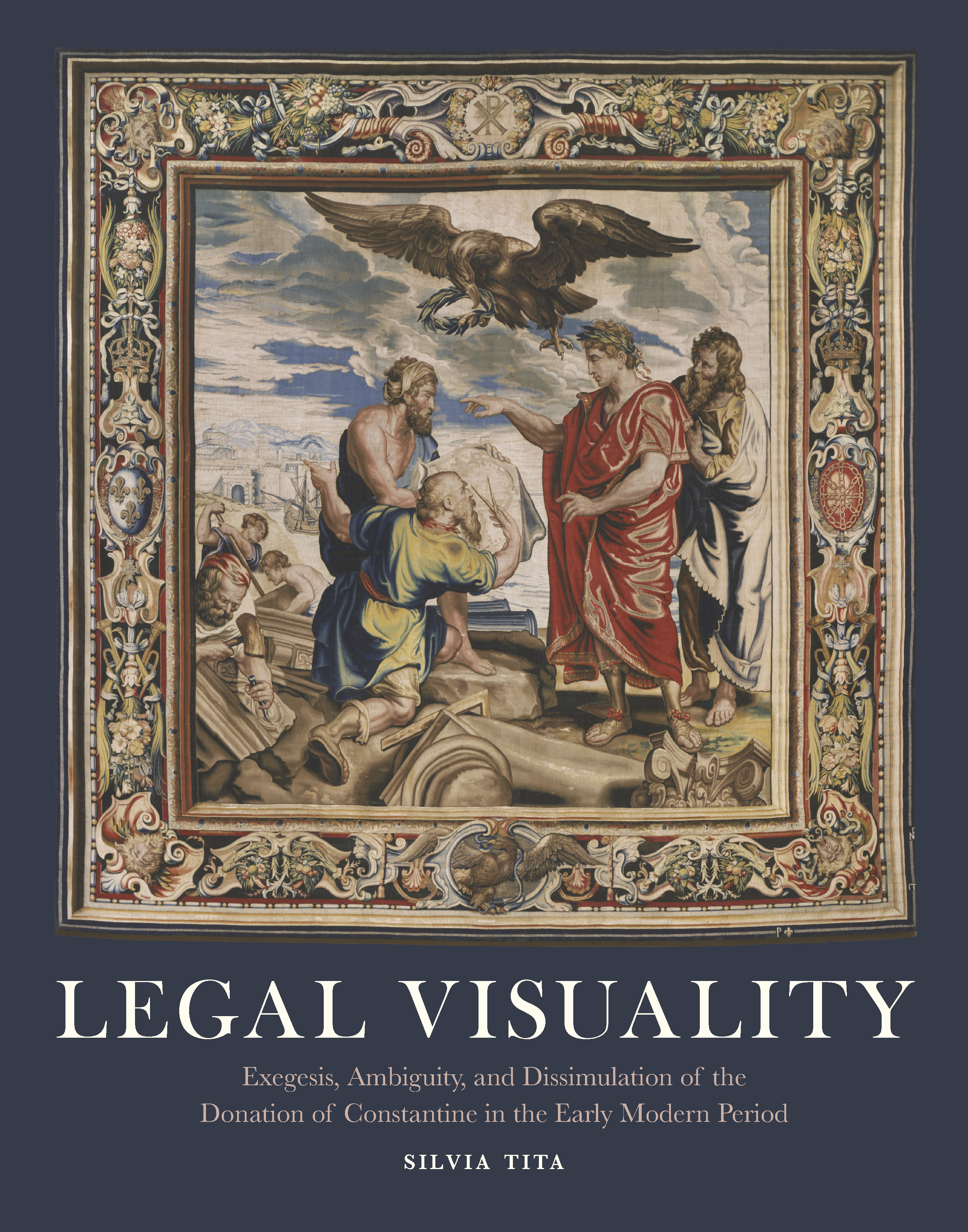 Legal Visuality
Exegesis, Ambiguity, and Dissimulation of the Donation of Constantine in the Early Modern Period
 Linguistic and Cultural Dynamics in a Frontier Society
New Perspectives on Northeastern Bavaria and Western Bohemia in the Early Middle Ages
Volume 9

 Medieval Debates on Foreknowledge: Future Contingents, Prophecy, and Divination
Acts of the XXVII Annual Colloquium of the SIEPM, Trento 12-15 September 2023
Volume 31
 Medieval Yeghegis, Armenia
History, Archaeology, Society. Local Multiplicities and Global Connections of a Rural Centre on the Silk Road(s)
 Monastic Manuscripts from the Eastern Mediterranean (Sinai, Jerusalem, Antioch)
Production, Use, and Contexts
 Naples as Laboratory / Laboratorium Neapel
Style Options, Artistic Rivalry and Self Fashioning in Neapolitan Baroque Painting / Plurale Stilbildung, Kunstlerkonkurrenz und Self Fashioning in der neapolitanischen Barockmalerei
 Nurturing the Elite
Representations of Drinking, Eating, and Religious Vessels in Palmyrene Funerary Iconography
Volume 13