
Pompeii, a Different Perspective
Via dell'Abbondanza, a long road, well traveled
by Jennifer F. Stephens and Arthur E. Stephens

Hardback (Out of print)
(June 2017)
ISBN: 9781937040789
12.99 x 9.02 inches
Price: $50.00
In stock
Pompeii, a Different Perspective tells the story of a two thousand year-old street. It takes the reader on a unique journey down Via dell’Abbondanza, the longest street in the ancient city. In the first century AD a wide range of elite houses, apartments, businesses and workspaces lined this 900 meter-long bustling thoroughfare, which was well-traveled by slaves, soldiers, merchants, commoners, and patricians. There is possibly no other single street that better depicts the diverse lives of the people who lived in Pompeii. The book visually documents and interprets Via dell’Abbondanza with distinctive and highly detailed representations of the thirty-two city blocks along the street that were created for the archives in Pompeii and for conservation management, academic study, and general historic interest. The photomosaic images of the facades were produced by carefully combining survey drawings and digital photographs, revealing views that cannot be seen on the site. The book also traces the history of the excavation of the street, analyzes the deterioration of the structures since they were discovered, and provides interesting supplemental information about the buildings and the recording methodology. A companion website (www.pompeiiperspectives.org) offers the reader additional historical facts, quantitative data, and research details.
Pompeii, a Different Perspective tells the story of a two thousand year-old street. It takes the reader on a unique journey down Via dell’Abbondanza, the longest street in the ancient city. In the first century AD a wide range of elite houses, apartments, businesses and workspaces lined this 900 meter-long bustling thoroughfare, which was well-traveled by slaves, soldiers, merchants, commoners, and patricians. There is possibly no other single street that better depicts the diverse lives of the people who lived in Pompeii. The book visually documents and interprets Via dell’Abbondanza with distinctive and highly detailed representations of the thirty-two city blocks along the street that were created for the archives in Pompeii and for conservation management, academic study, and general historic interest. The photomosaic images of the facades were produced by carefully combining survey drawings and digital photographs, revealing views that cannot be seen on the site. The book also traces the history of the excavation of the street, analyzes the deterioration of the structures since they were discovered, and provides interesting supplemental information about the buildings and the recording methodology. A companion website (www.pompeiiperspectives.org) offers the reader additional historical facts, quantitative data, and research details.
- By (author) Arthur E. Stephens
- By (author) Jennifer F. Stephens
"Never before has via dell'Abbondanza - or any Roman street for that matter - been photographed with such precision or completeness. It was a 5-year project conducted by skilled photographers who share both a love for Pompeii and an understanding that the information held in its ruins is unalterably becoming lost over time. Their methods should serve as a model and inspiration for future photographic projects."--Kevin Dicus, University of Oregon, Journal of Roman Archaeology, Volume 31 "...The book and its companion website are a welcome addition to Pompeian studies and will appeal to Roman archaeologists, students of classical antiquity, architectural historians, as well as the more curious tourist interested in having professional photographs of Pompeii's urban landscape." --Matthew Selheimer, University of Leicester, Bryn Mawr Classical Review, 2018.04.03 "[The book] offers an important, rich and authoritative visual record for anyone with an interest in Roman urban space." --Matthew Nicholls, The Times Literary Supplement, September 2018
—
Similar Books


 Behind the Scenes of Medieval Roofs
An Overview of the Roofing Systems of Italian Churches
Volume 90
 Caesar’s Visions and Impact on the Roman Empire
Revisiting the Archaeological and Historical Record of the 40s BC
Volume 2

 Circulation, Use, Impact
The Consumption of Architectural Books in the Early Modern Eastern Adriatic
Volume 1


 Drunk the Potion, No Whit Charmed
The Doctrine of Pure and Perfect Souls from Iamblichus to Damascius

 Epiphanies of the Divine in the Septuagint and the New Testament
Fifth International Symposium of the Corpus Judaeo-Hellenisticum Novi Testamenti (CJHNT), 14-17 May 2015, Nottingham


 Etruscan and Roman Hellenistic Anatomical ex votos
Reassessing Popular Religious Expressions in Central Italy
Volume 8


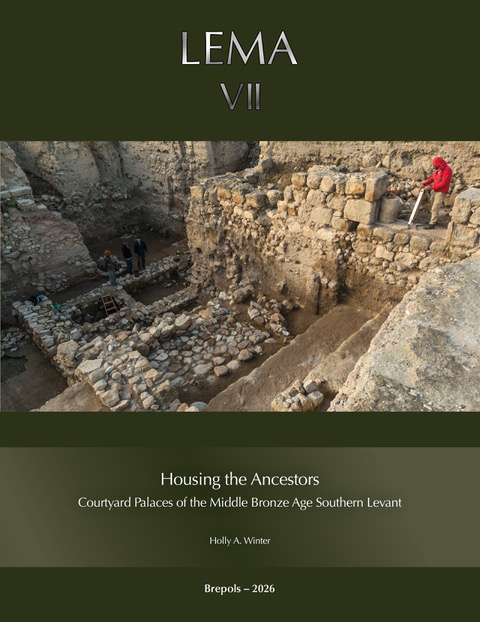

 Invisible Labour in Antiquity
Visualizing Obscure Work in the Ancient Mediterannean and West Asia
Volume 1
 Language and Power in the Roman Empire and Early India
Hierarchy, Ambiguity, and the Art of Reading the Signs in Cosmopolitan Cultures
 Late Antique villae in the Balkans (3rd–7th c. AD): Current Research Questions and Perspectives
HAEMUS Companion to the Late Antique Balkans 1
Volume 4


 Nurturing the Elite
Representations of Drinking, Eating, and Religious Vessels in Palmyrene Funerary Iconography
Volume 13


 Portraying the Individual in the Roman East
Local–Imperial Entanglements in Sculpture, Mosaics, and Paintings (First–Fourth Centuries AD)
Volume 18

 Small Worlds and Relational Agencies: Local Societies in Early Medieval Iberia
Pequeños mundos y Agencias relacionales: Sociedades locales altomedievales en la Península Ibérica

 The Compositional History of the Book of Kings
An Analysis of the Evaluative Frameworks in 1 Kings 14–2 Kings 25


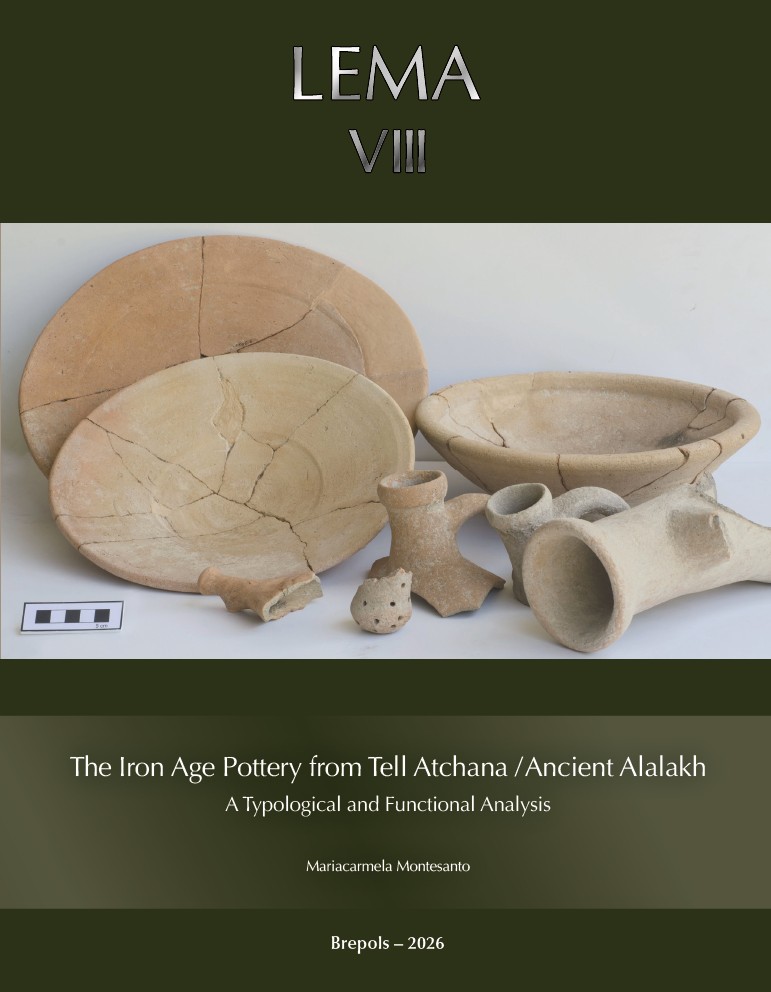 The Iron Age Pottery from Tell Atchana / Ancient Alalakh
A Typological and Functional Analysis
Volume 8


 Visual Memory and Oblivion
Monuments and Conflicts in Urban Spaces in Central and Eastern Europe from the Nineteenth Century to the Present Day
