
Nicht nur Raubkunst!
Sensible Dinge in Museen und universitären Sammlungen
Contributions by Anna-Maria Brandstetter Contributions by Vera Hierholzer Contributions by Wiebke Ahrndt Contributions by Benedikt Burkard Contributions by Isabel Eiser Contributions by Larissa Förster Contributions by Ute Haug Contributions by Felicitas Heimann-Jelinek Contributions by Beate Herrmann Contributions by Irene Hilden Contributions by Marion Hulverscheidt Contributions by Anke Kuper Contributions by Robin Leipold Contributions by Miriam Merz Contributions by Michael Müller-Karpe Contributions by Norbert Niedernostheide Contributions by Michael Pickering Contributions by Alexander Pruß Contributions by Eva Raabe Contributions by Anne Marie Rahn Contributions by Hermann Rösch Contributions by Michael Schmitz Contributions by Friedemann Schrenk Contributions by Frank Steinheimer Contributions by Holger Stoecker Contributions by Christian Vogel Contributions by Cornelia Weber Contributions by Günther Wessel Contributions by Céline Lebret Edited by Anna-Maria Brandstetter Edited by Vera Hierholzer Consultant editor Mechthild Dreyer

Hardback (Published)
(December 2017)
ISBN: 9783847108085
6.34 x 9.33 inches
Price: $82.00
In stock
Unter dem Stuchwort sensible Dinge stehen seit einigen Jahren die NS-Raubkunst und Kulturguter im Fokus, die im Rahmen der Kolonialisierung nach Europa verbracht wurden. Es gibt noch viele Arten sensibler Dinge in Sammlungen: sterbliche Uberreste, religiose Artefakte oder unter den Artenschutz fallende Naturalia. Der Band wahlt eine dezidiert vergleichende Perspektive und geht der Frage nach einem angemessenen Umgang mit diesen Objekten disziplinen- und institutionenubergreifend nach. Durch den Erfahrungsaustausch von Wissenschaftlern und Wissenschaftlerinnen aus Museen und Universitaten nimmt er erstmals auch die besonderen Herausforderungen universitarer Sammlungen in den Blick.
Public collections often preserve things that are nowadays considered ‘sensitive’ for ethical reasons. For some years, the focus has been on Nazi looted art and is now increasingly being directed at cultural assets brought to Europe as part of colonisation. There are, however, many other types of sensitive things, such as mortal remains, religious artefacts, illegally traded antiques and wildlife products that fall under the protection of endangered species. This volume chooses to take on a decidedly comparative perspective in investigating how to appropriately deal with these objects across disciplines and institutions. For the first time, through the exchange of experience between scientists from museums and universities, it also systematically examines the topic for university collections, which, due to their heterogeneity, cover a particularly wide range of potentially sensitive objects.
- Contributions by Anna-Maria Brandstetter
- Contributions by Vera Hierholzer
- Contributions by Wiebke Ahrndt
- Contributions by Benedikt Burkard
- Contributions by Isabel Eiser
- Contributions by Larissa Förster
- Contributions by Ute Haug
- Contributions by Felicitas Heimann-Jelinek
- Contributions by Beate Herrmann
- Contributions by Irene Hilden
- Contributions by Marion Hulverscheidt
- Contributions by Anke Kuper
- Contributions by Robin Leipold
- Contributions by Miriam Merz
- Contributions by Michael Müller-Karpe
- Contributions by Norbert Niedernostheide
- Contributions by Michael Pickering
- Contributions by Alexander Pruß
- Contributions by Eva Raabe
- Contributions by Anne Marie Rahn
- Contributions by Hermann Rösch
- Contributions by Michael Schmitz
- Contributions by Friedemann Schrenk
- Contributions by Frank Steinheimer
- Contributions by Holger Stoecker
- Contributions by Christian Vogel
- Contributions by Cornelia Weber
- Contributions by Günther Wessel
- Contributions by Céline Lebret
- Edited by Anna-Maria Brandstetter
- Edited by Vera Hierholzer
- Consultant editor Mechthild Dreyer
Similar Books
 Circulation, Use, Impact
The Consumption of Architectural Books in the Early Modern Eastern Adriatic
Volume 1


 Monastic Manuscripts from the Eastern Mediterranean (Sinai, Jerusalem, Antioch)
Production, Use, and Contexts
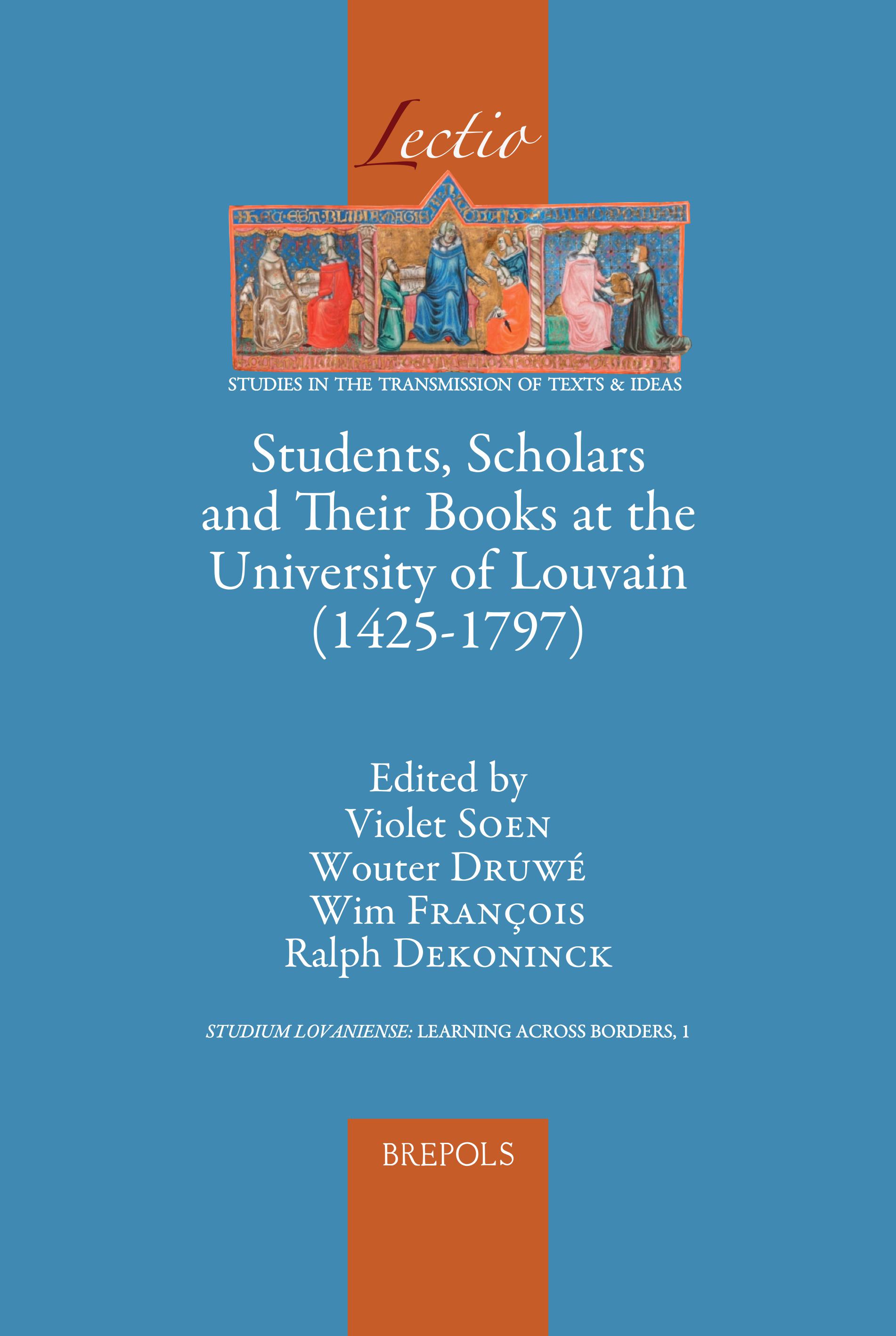 Students, Scholars and Their Books at the University of Louvain (1425-1797)
Studium Lovaniense: Learning across Borders, 1
Volume 17
 The Antiquarian Book-trade in Switzerland
Sir Thomas Phillipps's Acquisitions in the 1820s and their Later Dispersal
Volume 69


 Die Handschriften aus St. Emmeram in Regensburg. Pars 2,6: Clm 14691–14850
Neu beschrieben von Anja Freckmann, Friedrich Helmer, Hardo Hilg, Julia Knödler, Carolin Schreiber, Juliane Trede und Elisabeth Wunderle


 Österreichische Zeitschrift für Kunst und Denkmalpflege LXXX, Heft 2
Postmoderne & Pluralismus. Architektur der 1980er Jahre in Österreich
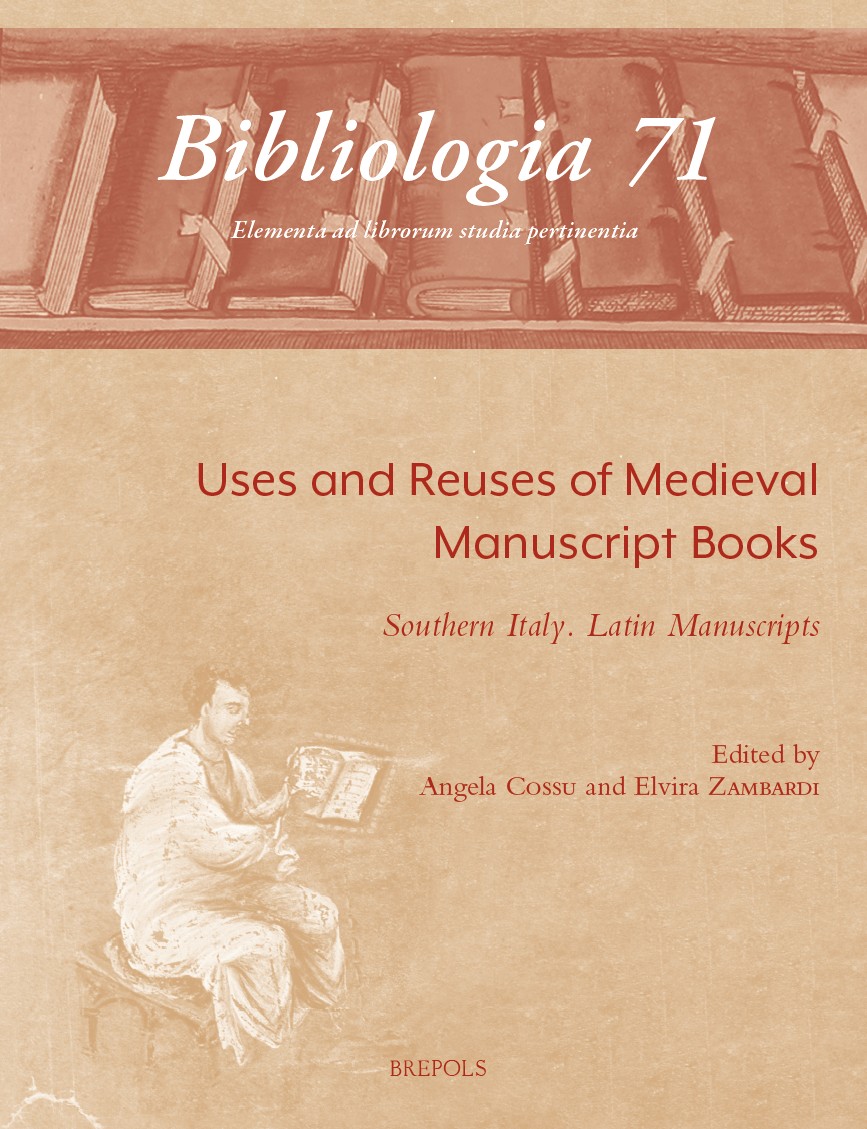 Uses and Reuses of Medieval Manuscript Books / Usi e riusi del libro manoscritto nel Medio
Southern Italy. Latin Manuscripts / Italia meridionale. Manoscritti latini
Volume 71
 Boğazköy Tablets in the Museum of Anatolian Civilisations (Bo 95–Bo 3993)
Anadolu Medeniyetleri Müzesinde Bulunan Boğazköy Tabletleri (Bo 95–Bo 3993)
Volume 3


 The Burgeoning European Print Trade
The Distribution of Prints via the Plantin-Moretus Press of Antwerp
Volume 19

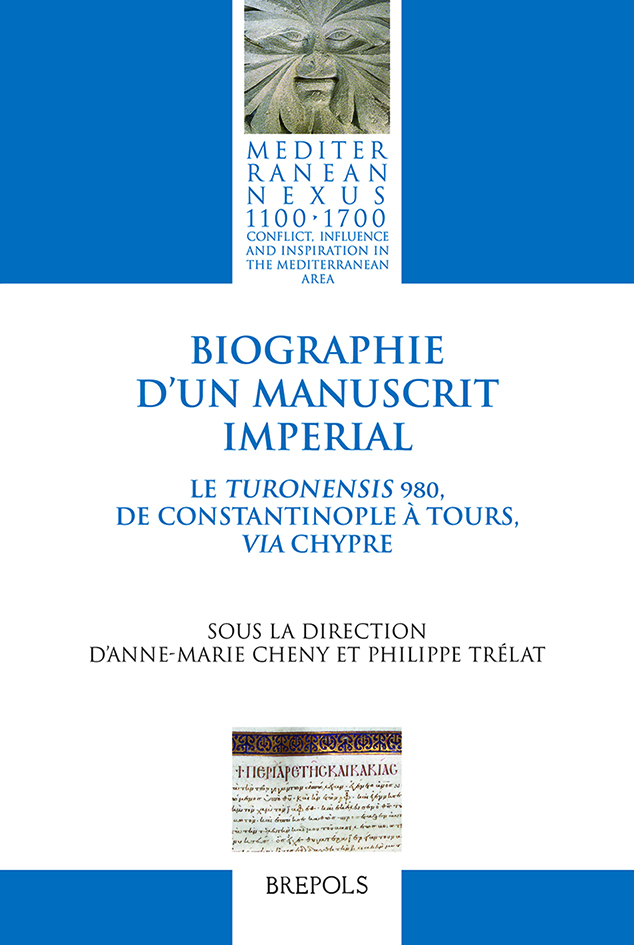 Biographie d’un manuscrit impérial
Le Turonensis 980, de Constantinople à Tours, via Chypre
Volume 11
 Antike und Antikerezeption in sächsischen Museen
Bestandsentwicklung – Ausstellungsgeschichte – Technologiewandel
 Auf Alexander von Humboldts Spuren
Eine Entdeckungsreise durch die Stiftung Preußischer Kulturbesitz
Volume 77
 Haben wollen!
20 Jahre NS-Provenienzforschung an den Bibliotheken, Archiven und Sammlungen der Universität Wien


 Patrimonio antes del patrimonio
Una genealogía del pensamiento patrimonialista y la arqueología mexicana en un amplio siglo XIX


 Florentine Humanistic Manuscripts
Revised and Enlarged List from Albinia C. de la Mare, 'New Research' (1985)
Volume 222
 Frontiers of the Roman Empire: The Roman Frontier in Georgia
რომის იმპერიის საზღვრები: რომაული სასაზღვრო ხაზი საქართველოში


 Libraries, Handbooks, Encyclopedias
Ancient and Early Medieval Repositories of Knowledge and Their Religious Aspects
Volume 22