
Les modeles dans l’art du Moyen Age (XIIe-XVe siecles) / Models in the Art of the Middle Ages (12th-15th Centuries)
edited by L. Terrier Aliferis and D. Borlee
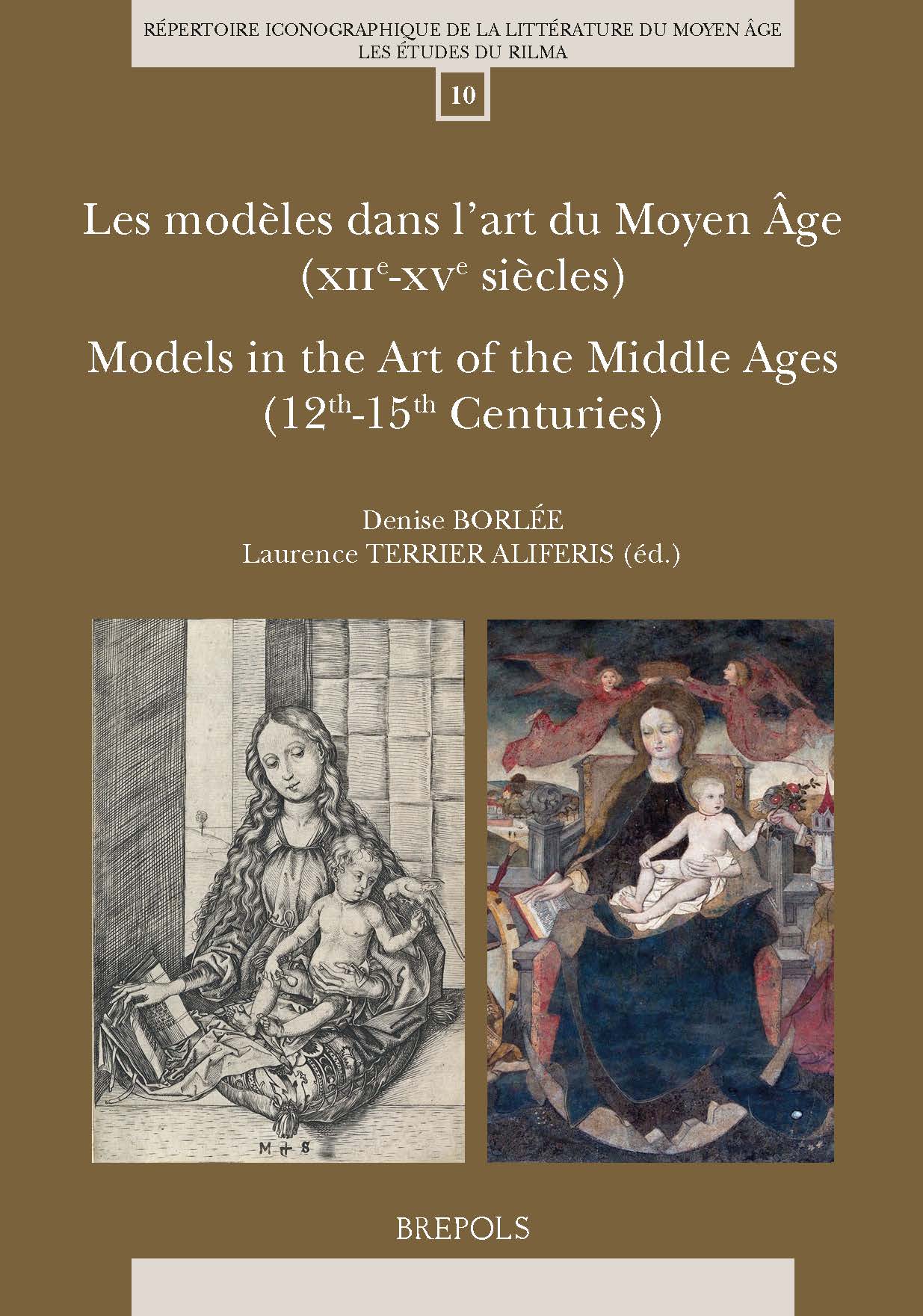
Paperback (Published)
(October 2018)
ISBN: 9782503578026
Price: $113.00
On back order
This publication brings together, for the first time on the subject, a collection of works that address various issues relating to the use of models in artistic creation in the Gothic era. The methods of circulating artistic forms in the West between the twelfth and fifteenth centuries are examined from four different angles: the model, model books, three-dimensional models that challenge the notion of artistic versatility, and the technical processes of transfers, particularly in the art of stained glass and goldsmithery. Drawing upon very concrete case studies, the authors base their work on specific, wide-ranging examples covering a variety of artistic fields, and in so doing, provide readers with valuable insight into these practices, which, although often presumed, still remain relatively difficult to understand within the context of medieval artistic production.
This publication brings together, for the first time on the subject, a collection of works that address various issues relating to the use of models in artistic creation in the Gothic era. The methods of circulating artistic forms in the West between the twelfth and fifteenth centuries are examined from four different angles: the model, model books, three-dimensional models that challenge the notion of artistic versatility, and the technical processes of transfers, particularly in the art of stained glass and goldsmithery. Drawing upon very concrete case studies, the authors base their work on specific, wide-ranging examples covering a variety of artistic fields, and in so doing, provide readers with valuable insight into these practices, which, although often presumed, still remain relatively difficult to understand within the context of medieval artistic production.
- Edited by D. Borlee
- Edited by L. Terrier Aliferis
Similar Books
 «Solazoxa festa, stradolze e stracomplia»
Festschrift für Raymund Wilhelm zum 65. Geburtstag mit Beiträgen zu Diskurstraditionen und mittelalterlicher Philologie
Volume 249
 A Collaborative Tapestry in Honour of Shirley Ann Brown / Une fresque brodée en l’honneur de Shirley Ann Brown
The Bayeux Tapestry Seen by her Colleagues and Friends / La Tapisserie de Bayeux vue par ses collègues et amis




 Balthasar Caymox of Nuremberg
Early Modern German Print Publishers: Popular Prints of the Seventeenth Century
 Behind the Scenes of Medieval Roofs
An Overview of the Roofing Systems of Italian Churches
Volume 90


 Cahiers de recherches médiévales et humanistes – Journal of Medieval and Humanistic Studies
Volume 51





 ENTANGLED AFRICA
Intra-African Relations Between Rain Forest and Mediterranean from Around 4,000 BCE to 1,500 CE



 Gold, Silver and Glass: Power Networks, Cultural Identities, Technology Transfers and Agency across the Old World (7th Century BC – 1st Century AD)
Proceedings of a Conference Held at the British Museum, 16–18 June 2023


 Innovation and Medieval Communities
The Circulation of Ideas and Practices in and out of the Town (1200-1500)
Volume 63
 John Dunstaple Reading Boethius
John Dunstaple’s Annotations to Boethius’s “De institutione musica” in the Manuscript Oxford, Corpus Christi College Library, MS 118
 Legal Visuality
Exegesis, Ambiguity, and Dissimulation of the Donation of Constantine in the Early Modern Period
 Listening to the Swan Song
More-than-Human Beings and Sounds in Literature and Culture Through the Ages


 Medieval Debates on Foreknowledge: Future Contingents, Prophecy, and Divination
Acts of the XXVII Annual Colloquium of the SIEPM, Trento 12-15 September 2023
Volume 31