
Krieg im Museum
Präsentationen des Zweiten Weltkriegs in Museen und Gedenkstätten des östlichen Europa
Contributions by Regina Fritz Contributions by Iryna Skoklina Contributions by Christian Ganzer Contributions by Ulrike Lunow Contributions by Martin Jung Contributions by Sabrina Lausen Contributions by Barbara Distel Contributions by Piotr Maciej Majewski Contributions by Hannah Maischein Contributions by Ekaterina Melnikova Contributions by Thomas Thiemeyer Contributions by Petr Koura Contributions by Monika Heinemann Edited by Ekaterina Makhotina Edited by Ekaterina Keding Edited by Włodzimierz Borodziej Edited by Etienne François Edited by Martin Schulze Wessel

Hardback (Published)
(September 2015)
ISBN: 9783525373095
6.34 x 9.33 inches
Price: $88.00
In stock
Der Band untersucht die Bedeutung von Museen im östlichen Europa für die Erinnerung an den Zweiten Weltkrieg.
English summary: The authors of this anthology compare for the first time the meaning of the museums and memorials for the debates surrounding the memory of World War II in Eastern Europe. No other event in the history of Europe has had such a broad influence on the political identity and has become so strongly interwoven with the political history and national interpretations as World War II. Against this background, the authors of this anthology look at selected museums in Eastern Europe and study their role as mediators of memory and the offspring of historical debates. Have they become historical “referees” or are the stagings in museums planned events? At the core of these analyses furthermore lie themes such as victim hierarchies, dealing with the Holocaust and collaboration. German description: Kein anderes Ereignis der Zeitgeschichte hat in Europa eine solche identitatspolitische, sinnstiftende Erinnerungskraft und ist so stark von geschichtspolitischen Konjunkturen und nationalkulturellen Deutungen abhangig wie der Zweite Weltkrieg. Die Erinnerung an den Krieg ist jedoch zwischen Erinnerungskollektiven umkampft, was fur Museen eine Herausforderung ist. Daher stellt sich grundsatzlich die Frage, ob das museale Narrativ das Ergebnis eines gesellschaftlichen Aushandlungsprozesses ist, oder ob es andere, alternative Geschichten ausgrenzt und somit als geschichtspolitischer Schiedsrichter fungieren will. Die Brennpunkte der Debatten betreffen unter anderem die Opferhierarchie, die Thematisierung der (eigenen) Tater und die Integration des Holocaust in die offizielle Kriegserzahlung. Der gesellschaftliche Dissens in Bezug auf diese Fragen fuhrt dazu, dass die musealisierte Geschichte oft von der erinnerten Geschichte abweicht. Der Sammelband analysiert erstmals mit ahnlichen methodischen Zugangen ausgewahlte Museen und Gedenkstatten des ostlichen Europa zum Zweiten Weltkrieg. Dadurch werden nicht nur die erinnerungspolitischen Kontexte in osteuropaischen Staaten, sondern auch der Einfluss der transnationalen Museumspraxis in Bezug auf den Holocaust sichtbar.
- Contributions by Regina Fritz
- Contributions by Iryna Skoklina
- Contributions by Christian Ganzer
- Contributions by Ulrike Lunow
- Contributions by Martin Jung
- Contributions by Sabrina Lausen
- Contributions by Barbara Distel
- Contributions by Piotr Maciej Majewski
- Contributions by Hannah Maischein
- Contributions by Ekaterina Melnikova
- Contributions by Thomas Thiemeyer
- Contributions by Petr Koura
- Contributions by Monika Heinemann
- Edited by Ekaterina Makhotina
- Edited by Ekaterina Keding
- Edited by Włodzimierz Borodziej
- Edited by Etienne François
- Edited by Martin Schulze Wessel
Other Titles in this Series


 Deutschland und das Protektorat Böhmen und Mähren
Aus den deutschen diplomatischen Akten von 1939 bis 1945

 Zivilgesellschaft und Menschenrechte im östlichen Mitteleuropa
Tschechische Konzepte der Bürgergesellschaft im historischen und nationalen Vergleich

 Volksgruppe und Versöhnung
Die Ackermann-Gemeinde als sudetendeutscher Verband und Akteur im deutsch-tschechischen Dialog (1946–2004)
 »Das Fluidum der Stadt …«
Urbane Lebenswelten in Kassa/Košice/Kaschau zwischen Sprachenvielfalt und Magyarisierung 1867–1918


 Adelspolitik in der späten Habsburgermonarchie
Kulturen des Entscheidens in der Nobilitierungspraxis Kaiser Franz Josephs I. (1848–1916)
 Migration and Landscape Transformation
Changes in Central and Eastern Europe in the 19th and 20th Century

 Jüdische Museen in Ostmitteleuropa
Kontinuitäten – Brüche – Neuanfänge: Prag, Budapest, Bratislava (1993–2012)
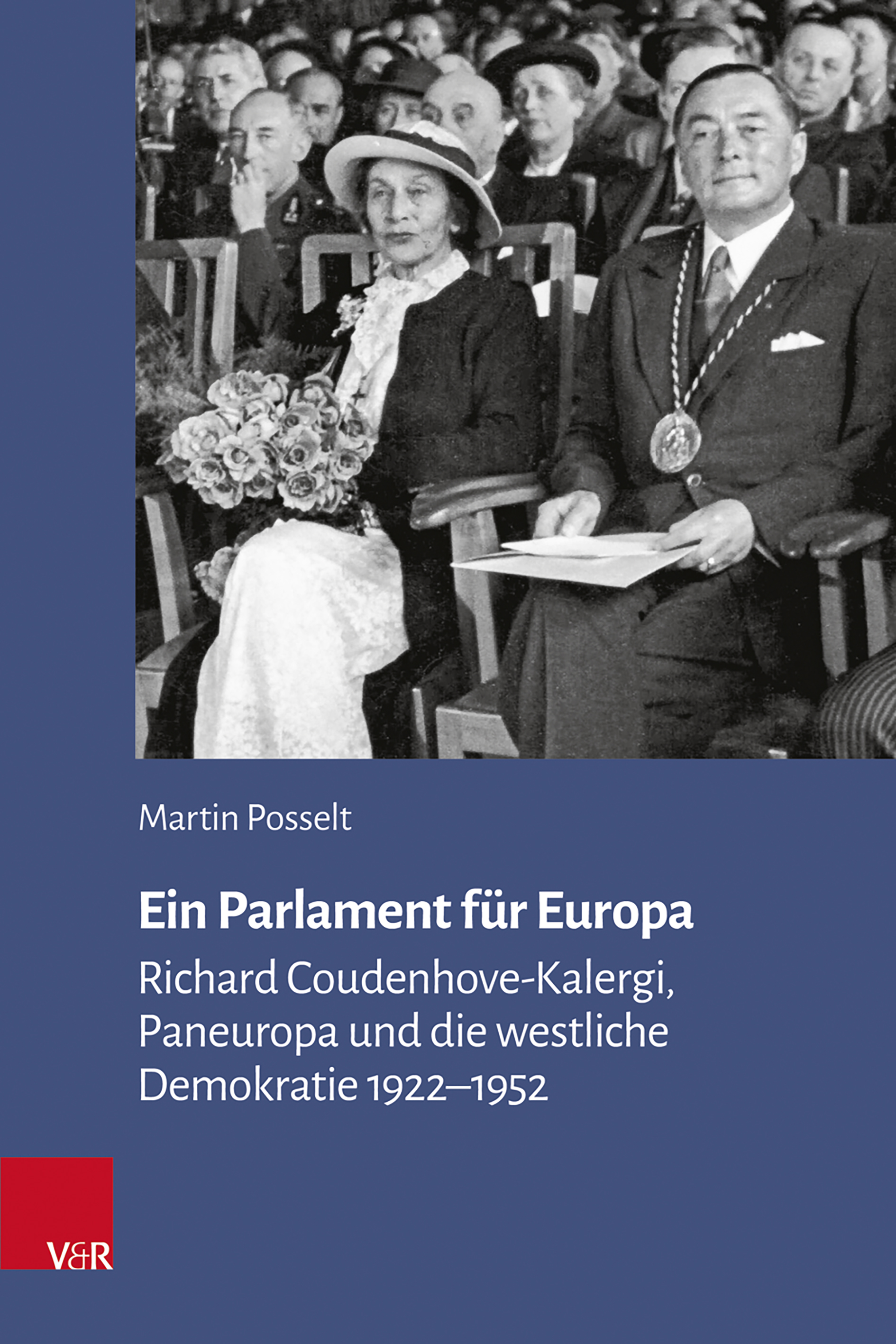 Ein Parlament für Europa
Richard Coudenhove-Kalergi, Paneuropa und die westliche Demokratie 1922–1952

 Von der Rüstkammer des Reiches zum Maschinenwerk des Sozialismus
Wirtschaftslenkung in Böhmen und Mähren 1938 bis 1953
 Von der Altneuschul zum Jerusalemtempel
Musikalische Praxis in Prager Synagogen vom 19. Jahrhundert bis zur Schoah

 Vertriebene Frauen in der Bundesrepublik Deutschland
Engagement in Kirchen, Verbänden und Parteien 1945–1970
Similar Books



 Circulation, Use, Impact
The Consumption of Architectural Books in the Early Modern Eastern Adriatic
Volume 1


 Dis/United States of Vulnerability
Literary and Cultural Transgressions in U.S. Poetry Since the 1960s
Volume 330


 European Drama and Performance Studies
Dramatisations politiques. Théâtre, politique et idéologie au XIXe siècle (1806-1914)
Volume 27


 Modernization, Crises, Cultural Revolutions
Yugoslavia’s 1960s and 1970s through the amateur film lens
 Monastic Manuscripts from the Eastern Mediterranean (Sinai, Jerusalem, Antioch)
Production, Use, and Contexts


 Students, Scholars and Their Books at the University of Louvain (1425-1797)
Studium Lovaniense: Learning across Borders, 1
Volume 17
 The Antiquarian Book-trade in Switzerland
Sir Thomas Phillipps's Acquisitions in the 1820s and their Later Dispersal
Volume 69



 Visual Memory and Oblivion
Monuments and Conflicts in Urban Spaces in Central and Eastern Europe from the Nineteenth Century to the Present Day


