Foreword
John Peck
Introduction: baby talk
1. Making space for music and myth
2. Beyond repression, into Eros
3. Resonant space for dreaming
4. Musical metapsychology
Afterword
David Liebman
References
Index
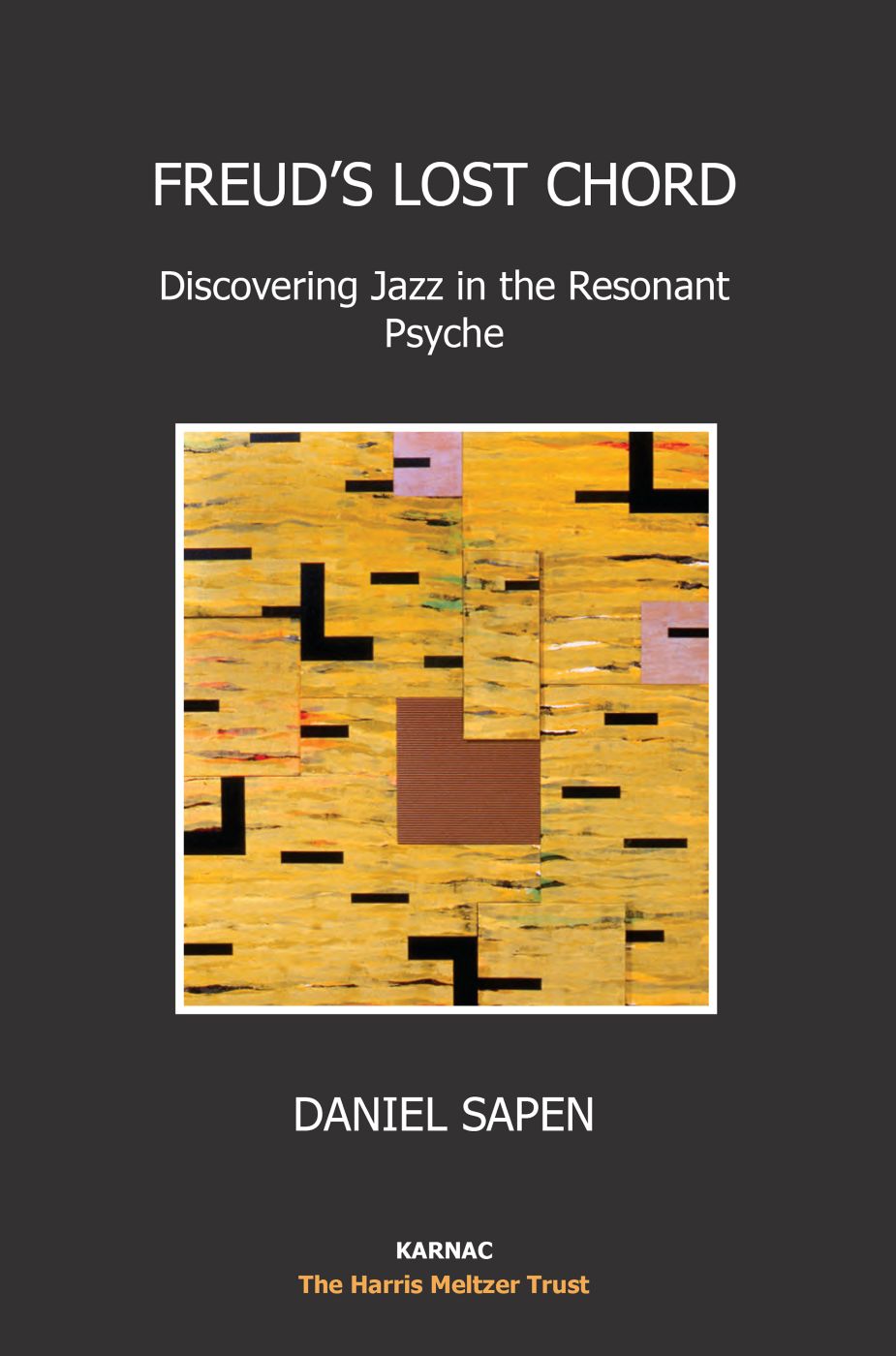
Discovering Jazz in the Resonant Psyche
By (author) Daniel Sapen
Paperback (Published)
(September 2012)
ISBN: 9781780490120
5.94 x 9.09 inches
Price: $42.00
On back order
In Freud’s Lost Chord, Dan Sapen explores what it means for the development of depth psychology that Freud was perplexed by music, and unlike nearly every other aspect of human life, had little to say about it – a problem shared by most others in the early generations of psychoanalytic thought. Psychoanalyst Charles Rycroft wrote One cannot help regretting that none of the pioneers of the unconscious thought naturally in auditory terms; more than this, over 100 years later, not only is music per se rarely looked it in psychodynamic terms, jazz music is almost completely absent from the literature. Dr. Sapen looks in depth at the intricate details of psychodynamic theory and practice, as well as an overview of its development, to address the possibility that a theoretical model that has little to say about such a basic and omni-present aspect of human life must be seriously flawed in its effort to explain what it is to be human, and how the mind functions and what it creates. However, Sapen illustrates how numerous other thinkers (Jung, Winnicott, Bion, Loewald, Rycroft), some seemingly at odds with and others serving as essential developments and re-workings of psychoanalytic principles, have managed to illuminate and integrate those missing principles so basic to music and creativity – to development, dreaming, thinking, and relating among other human beings intimately and in a society. Nearly uniquely in the psychodynamic literature, Sapen looks in depth at the music of Miles Davis and John Coltrane as examples of the living, breathing psychological processes so essential to understanding the meaning and dynamics of being human that Freud could not, for a variety of reasons, conceptualize.
Foreword John Peck Introduction: baby talk 1. Making space for music and myth 2. Beyond repression, into Eros 3. Resonant space for dreaming 4. Musical metapsychology Afterword,
Foreword
John Peck
Introduction: baby talk
1. Making space for music and myth
2. Beyond repression, into Eros
3. Resonant space for dreaming
4. Musical metapsychology
Afterword
David Liebman
References
Index
Daniel Sapen received his PhD in Clinical Psychology from the Derner Institute of Advanced Psychological Studies at Adelphi University, and his Bachelor’s Degree in Philosophy from Vassar College. He currently has a private, integrative psychotherapy practice in Long Island, New York, and has extensive experience in community mental health, schools for emotionally and developmentally disabled children, and nursing homes and rehabilitation centers treating geriatric and physical trauma issues. Musically, Sapen is a multi-instrumentalist (drums, saxophones, piano), composer, and poet-lyricist, and has written reviews and essays on jazz and audio for Earshot and Listener magazines. He is married with a young daughter.
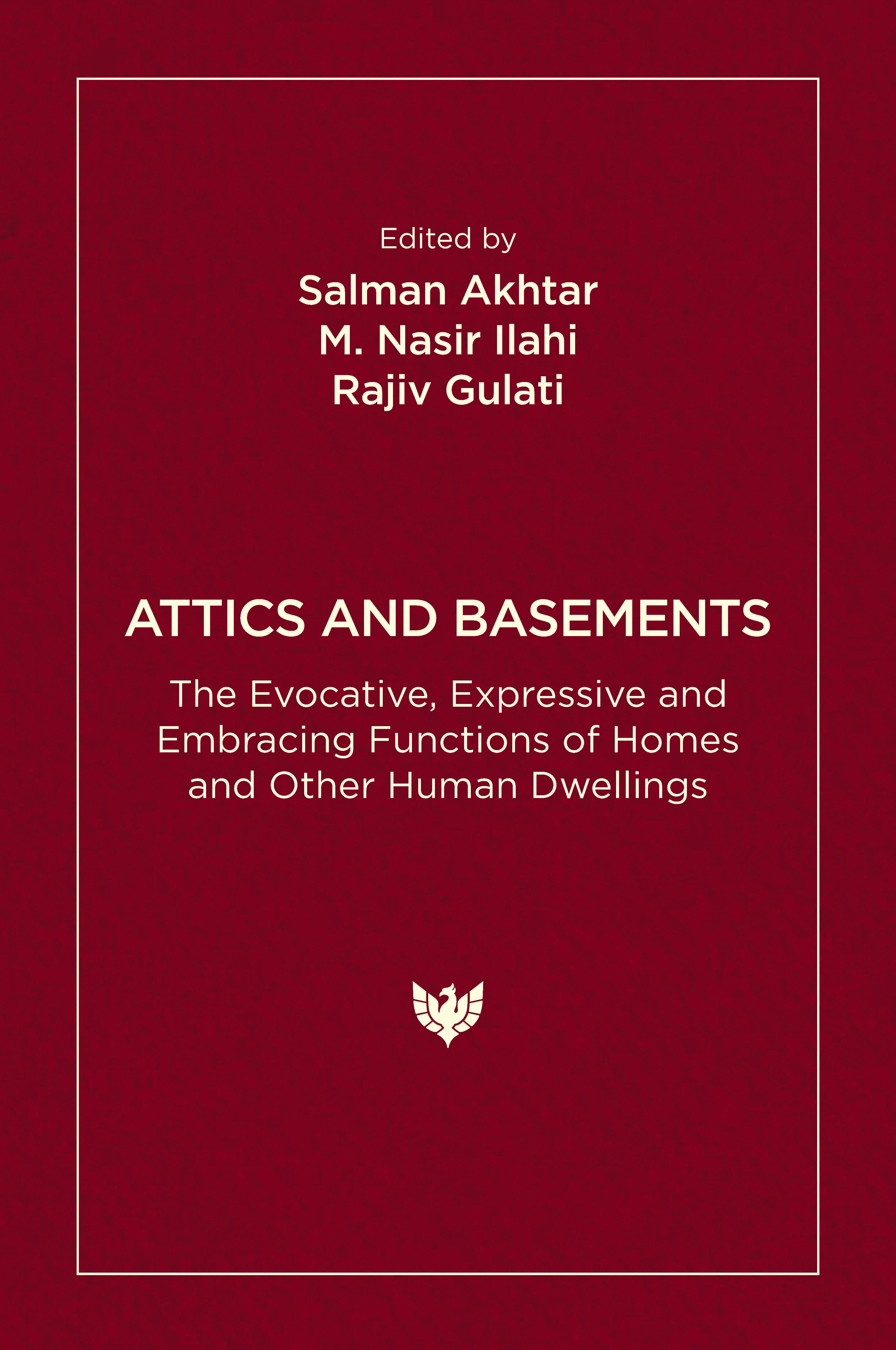 Attics and Basements
The Evocative, Expressive and Embracing Functions of Homes and Other Human Dwellings
 Die Erhebung und Bewertung von Zeugenaussagen im Strafprozess
Juristische, aussagepsychologische und psychiatrische Aspekte. Bd. 9
 Kann man Filterblasen platzen lassen?
101 Fragen und Antworten rund um Verschwörungstheorien, Fake News und ideologische Überzeugungen