
Elements of Continuity
Stone Cult in the Maltese Islands
By (author) George Azzopardi

Paperback (Published)
(December 2017)
ISBN: 9781784916954
5.87 x 8.31 inches
Price: $36.00
In stock
The stones dealt with in this study are non-figural (or aniconic) or, sometimes, semi-figural. They come from ritual contexts and, as such, act as a material representation of divine presence in their role as betyls. The Maltese islands are presented as a case study to demonstrate the phenomenon of continuity through a study of these
Stones can serve an infinite array of functions both when they are worked and when they are left in a ‘raw’ state. Depending on their function, stones can also be meaningful objects especially when they act as vehicles of ideas or instruments of representation. And it is, therefore, in their functional context, that the meaning of stones can be best grasped. The stones dealt with in this study are non-figural (or aniconic) or, sometimes, semi-figural. They come from ritual contexts and, as such, act as a material representation of divine presence in their role as betyls. But it is not mainly the representational aspect of these stones that this study seeks to highlight. As material representations of divine presence that are also worshipped, these particular stones form part of a phenomenon that seems to know no geographical or temporal boundaries. They are of a universal character. It is this universal character of theirs that seems to qualify these stones as elements forming part of the phenomenon of continuity: continuity across different cultures and in different places along several centuries. It is this phenomenon which this study seeks to highlight through a study of these stones. The Maltese islands are presented as a case study to demonstrate the phenomenon of continuity through a study of these stones. Worship of stones in representation of divine presence is found on the Maltese islands since prehistoric times. But the practice survived several centuries under different cultures represented by unknown communities during the islands’ prehistory and the Phoenicians / Carthaginians and the Romans in early historic times.
- By (author) George Azzopardi
Similar Books

 Caesar’s Visions and Impact on the Roman Empire
Revisiting the Archaeological and Historical Record of the 40s BC
Volume 2


 Drunk the Potion, No Whit Charmed
The Doctrine of Pure and Perfect Souls from Iamblichus to Damascius

 Epiphanies of the Divine in the Septuagint and the New Testament
Fifth International Symposium of the Corpus Judaeo-Hellenisticum Novi Testamenti (CJHNT), 14-17 May 2015, Nottingham


 Etruscan and Roman Hellenistic Anatomical ex votos
Reassessing Popular Religious Expressions in Central Italy
Volume 8


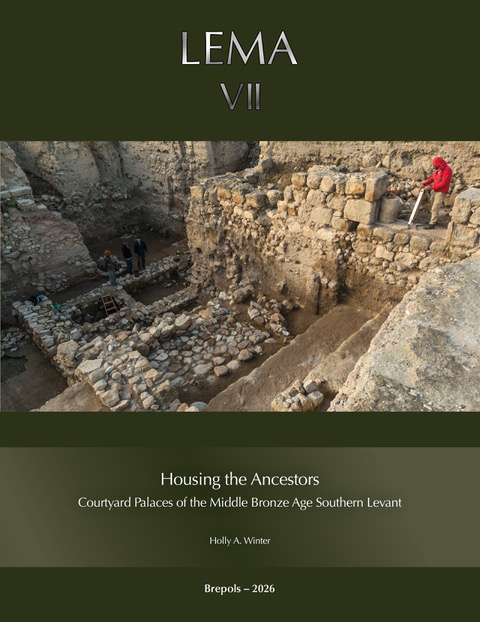

 Invisible Labour in Antiquity
Visualizing Obscure Work in the Ancient Mediterannean and West Asia
Volume 1
 Language and Power in the Roman Empire and Early India
Hierarchy, Ambiguity, and the Art of Reading the Signs in Cosmopolitan Cultures
 Late Antique villae in the Balkans (3rd–7th c. AD): Current Research Questions and Perspectives
HAEMUS Companion to the Late Antique Balkans 1
Volume 4

 Nurturing the Elite
Representations of Drinking, Eating, and Religious Vessels in Palmyrene Funerary Iconography
Volume 13


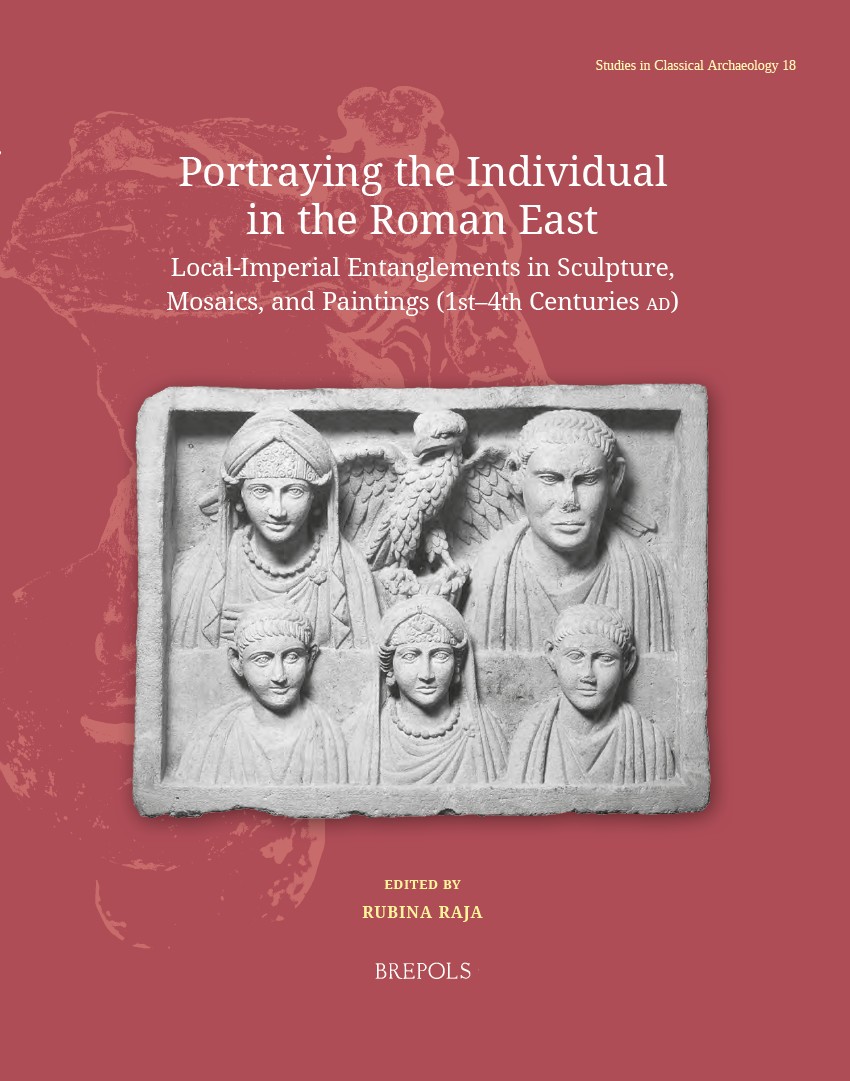 Portraying the Individual in the Roman East
Local–Imperial Entanglements in Sculpture, Mosaics, and Paintings (First–Fourth Centuries AD)
Volume 18

 Small Worlds and Relational Agencies: Local Societies in Early Medieval Iberia
Pequeños mundos y Agencias relacionales: Sociedades locales altomedievales en la Península Ibérica
 The Compositional History of the Book of Kings
An Analysis of the Evaluative Frameworks in 1 Kings 14–2 Kings 25

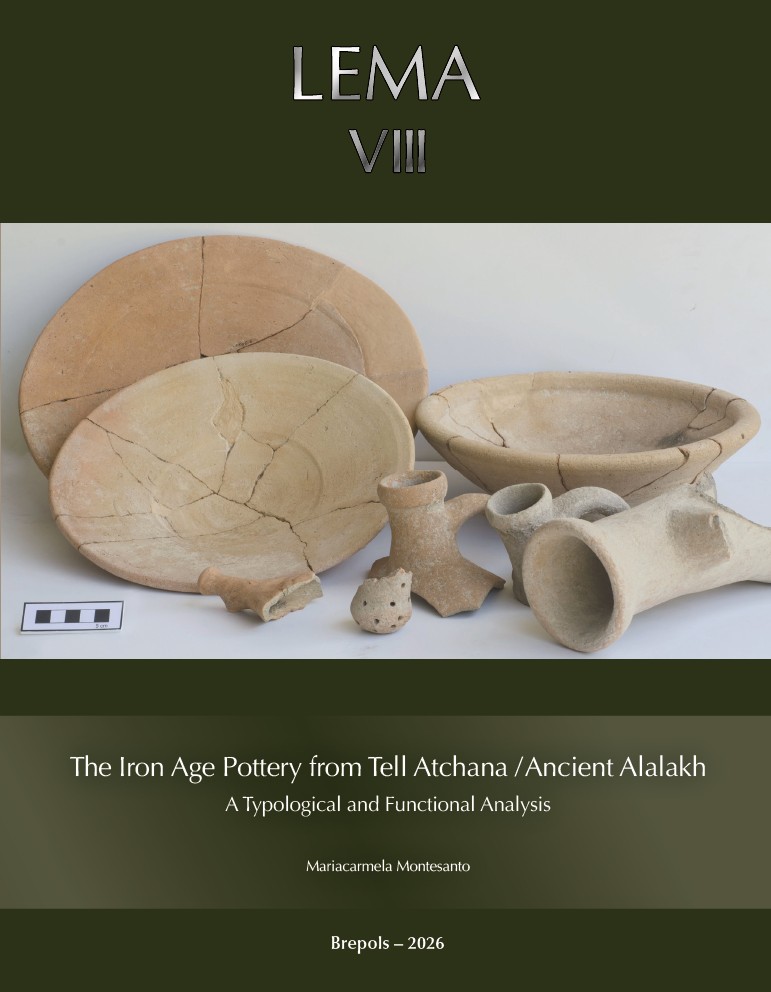 The Iron Age Pottery from Tell Atchana / Ancient Alalakh
A Typological and Functional Analysis
Volume 8

 Writing in the Church of the Nativity in Bethlehem
Inscription and Graffiti in a Multilingual and Multigraphic Perspective
Volume 45
 Contesting Labeled Identities
The Sociology of Gentilics in Biblical and Northwest Semitic Literature


 After Life in Roman Paganism. L’Égypte des astrologues. Les Mages hellénisés
Introductions historiographiques
Volume 7

 Atlante tematico di topografia antica 36-2026
Urbanistica e monumenti, porti, Roma. Ricerche sui monti Aurunci
Volume 36
 Cerámica común romana y ciclo haliéutico
Análisis de los contextos de las cetariae de Iulia Traducta


 Diodor über den ersten Sklavenaufstand auf Sizilien
Ein philologischer und historischer Kommentar
Volume 67