
Soldat im nationalsozialistischen Krieg
Deutungsangebote in Bestsellerromanen der Aufbaujahre der Bundesrepublik
By (author) Felix Kraft
Falscher Krieg, guter Soldat? Westdeutsche Bestsellerromane und die Deutung deutscher Kriegsbeteiligung
Die junge Bundesrepublik wollte vom Krieg lesen. Wenige Jahre nach 1945 erreichten Romane über Wehrmacht, Front und Gefangenschaft ein Millionenpublikum – in einer Gesellschaft, die die politische und moralische Bedeutung ihrer nationalsozialistischen Vergangenheit neu auszuhandeln hatte. An sechs Bestsellern untersucht Felix Kraft, mit welchen Deutungen des deutschen Soldaten diese Literatur so erfolgreich war. Die Analyse geht über den lange vorherrschenden Vorwurf der »Verdrängung« hinaus und fragt nach den weltanschaulichen Angeboten der Texte: Welche Eigenschaften, Werte und Haltungen schrieben sie ihren Soldaten zu? Im Mittelpunkt steht ihr Anspruch, authentisch vom Krieg, vom repräsentativen Soldaten und dessen Verhältnis zu Befehl, Gehorsam und politischer Herrschaft zu erzählen. So wird Unterhaltungsliteratur als Teil der gesellschaftlichen Auseinandersetzung mit Kriegsbeteiligung und Systemwechsel sichtbar.
The young Federal Republic wanted to read about the war. Only a few years after 1945, novels about the Wehrmacht, the front, and captivity reached an audience of millions—in a society that was also being forced to renegotiate the political and moral meaning of its National Socialist past. Drawing on six bestsellers, Felix Kraft examines the interpretations of the German soldier that made this literature so successful. Moving beyond the long-dominant charge of “repression,” it asks what ideological perspectives these texts actually offered: What qualities, values, and attitudes did they attribute to their soldiers? Central to the analysis is the novels’ claim to narrate the war authentically through representative soldier figures and their relationship to orders, obedience, and political authority. In this way, popular literature emerges as part of the broader social negotiation of participation in the war and the transition between political systems.
- By (author) Felix Kraft
Other Titles in this Series
 Wahrheitsmaschinen
Der Einfluss technischer Innovationen auf die Darstellung und das Bild des Krieges in den Medien und Kunsten
Volume 25
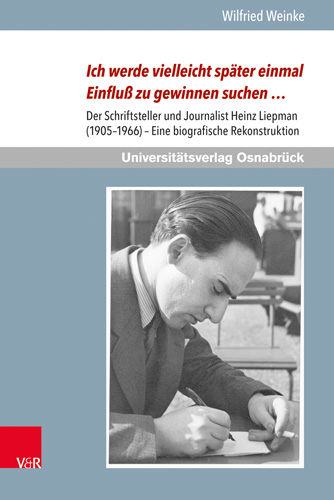 Ich werde vielleicht später einmal Einfluß zu gewinnen suchen …
Der Schriftsteller und Journalist Heinz Liepman (1905–1966) – Eine biografische Rekonstruktion
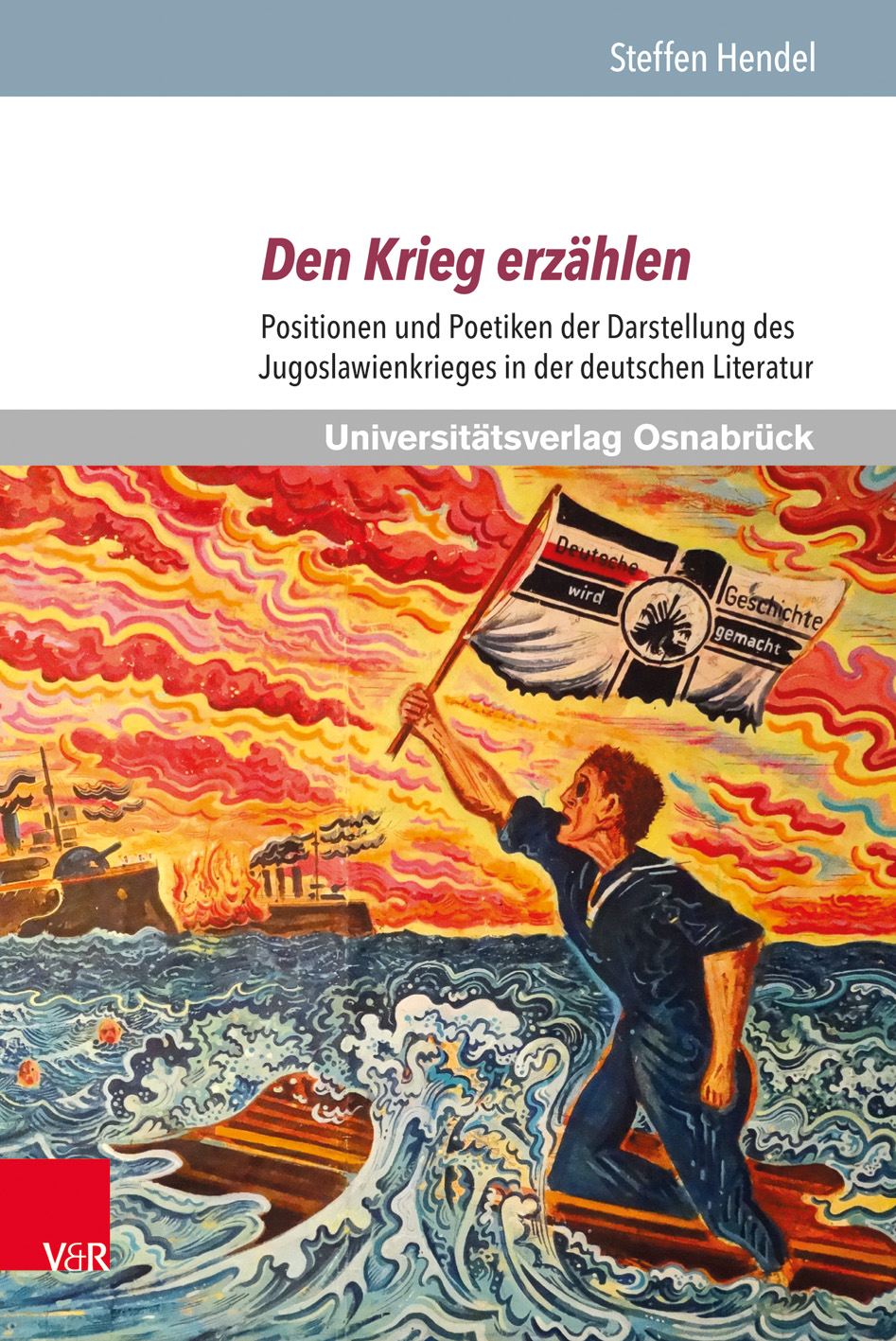 Den Krieg erzählen
Positionen und Poetiken der Darstellung des Jugoslawienkrieges in der deutschen Literatur
Similar Books



 Ars Prophetica
Theology in the Poetry of Twentieth-Century Hebrew Poets Avraham Halfi, Shin Shalom, Amir Gilboa, and T. Carmi


 Cahiers de littérature française
Les Métamorphoses du texte. Enjeux intertextuels et transpositions visuelles
Volume 25





 European Drama and Performance Studies
Dramatisations politiques. Théâtre, politique et idéologie au XIXe siècle (1806-1914)
Volume 27


 LiCArC
Trauma et création artistique : l’engagement des artistes arabes dans des dynamiques de résiliences
Volume 14





 Modernization, Crises, Cultural Revolutions
Yugoslavia’s 1960s and 1970s through the amateur film lens


