
Blessing for the Nations and the Curse of the Law
Paul's Citation of Genesis and Deuteronomy in Galatians 3,8-10
by Jeffrey Wisdom

Jeffrey Wisdom interprets Paul’s citation of Genesis and Deuteronomy in Gal 3.8-10. He surveys the promise to Abraham to bless all nations and the curse of the covenant in the Jewish scripture. Blessing for the nations is an important part of God’s covenant purpose for Abraham’s descendants from the start. The curse of the covenant is consistently connected with the motifs of failure to do all the law and of the abandonment of the Lord for other gods. Jeffrey Wisdom then identifies and analyzes the various strands of the postbiblical Jewish literature that cite the promise of blessing for the nations and the curse of the covenant. He further argues an interpretation of Gal 3.8-10, in which the importance for Paul’s argument of blessing for the nations and the curse on those who are disloyal to the Lord is stressed. Paul’s call to preach the gospel to the gentiles and his defense of the truth of the gospel provide the context for the connection between the gospel and the promise to Abraham of blessing for the nations in Gal 3.8, a blessing which has always been God’s purpose for Abraham’s descendants. The interpretation of Gal 3.10 then builds on this insight. Those who are of works of the law are identified as the troublemakers who have preached another gospel to the Galatians and thereby have been disloyal to God and his purpose for Abraham’s descendants. Paul cites Deut 27.26 to support this assertion that they have been disloyal to God and therefore are under the curse. Jeffrey Wisdom traces this interpretation of Gal 3.8-10 through to 3.13-14 and supports it by other traces of the same perspective on the gospel and the curse in Galatians.
Jeffrey Wisdom, Born 1960; 1993 MDiv, Gordon-Conwell Theological Seminary; taught in Greek language program at Gordon-Conwell; 1998 PhD, University of Durham; 1996-99 Associate Pastor at First Baptist Church, Abington, MA; presently the Senior Pastor at the First Baptist Church of No. Oxford, MA.
- By (author) Jeffrey Wisdom
Other Titles in this Series


 Hellenisten in der Apostelgeschichte
Historische und exegetische Untersuchungen zu Apg 6,1; 9,29; 11,20
Volume 264

 Die Jüngerinnen und Jünger im Thomasevangelium
Ein narratologisch inspirierter Zugang zum Text als Einheit
 Die basileia tou theou im Markusevangelium
Erzahlstrategien und eine Hermeneutik der Korperlichkeit
Volume 607


 Archaeology and the Itinerant Jesus
A Historical Enquiry into Jesus' Itinerant Ministry in the North
Volume 564
 Is Jesus Athene or Odysseus?
Investigating the Unrecognisability and Metamorphosis of Jesus in his Post-Resurrection Appearances
Volume 500

 The Poor, the Crippled, the Blind, and the Lame
Physical and Sensory Disability in the Gospels of the New Testament
Volume 469


 Moral Language in the New Testament
The Interrelatedness of Language and Ethics in Early Christian Writings. Kontexte und Normen neutestamentlicher Ethik / Contexts and Norms of New Testament Ethics. Volume II
Volume 296


 The Johannine Footwashing as the Sign of Perfect Love
An Exegetical Study of John 13:1-20
Volume 464

 Uncovering the Theme of Revelation in Romans 1:16-3:26
Discovering a New Approach to Paul's Argument Argument
Volume 445
 Paul, Divestment, and Salvific Almsgiving
Rediscovering the Apostle’s Economic Theology within Jewish and Early Christian Trajectories
 Paul’s Koinonia with the Philippians
A Socio-Historical Investigation of a Pauline Economic Partnership
Volume 377
Similar Books


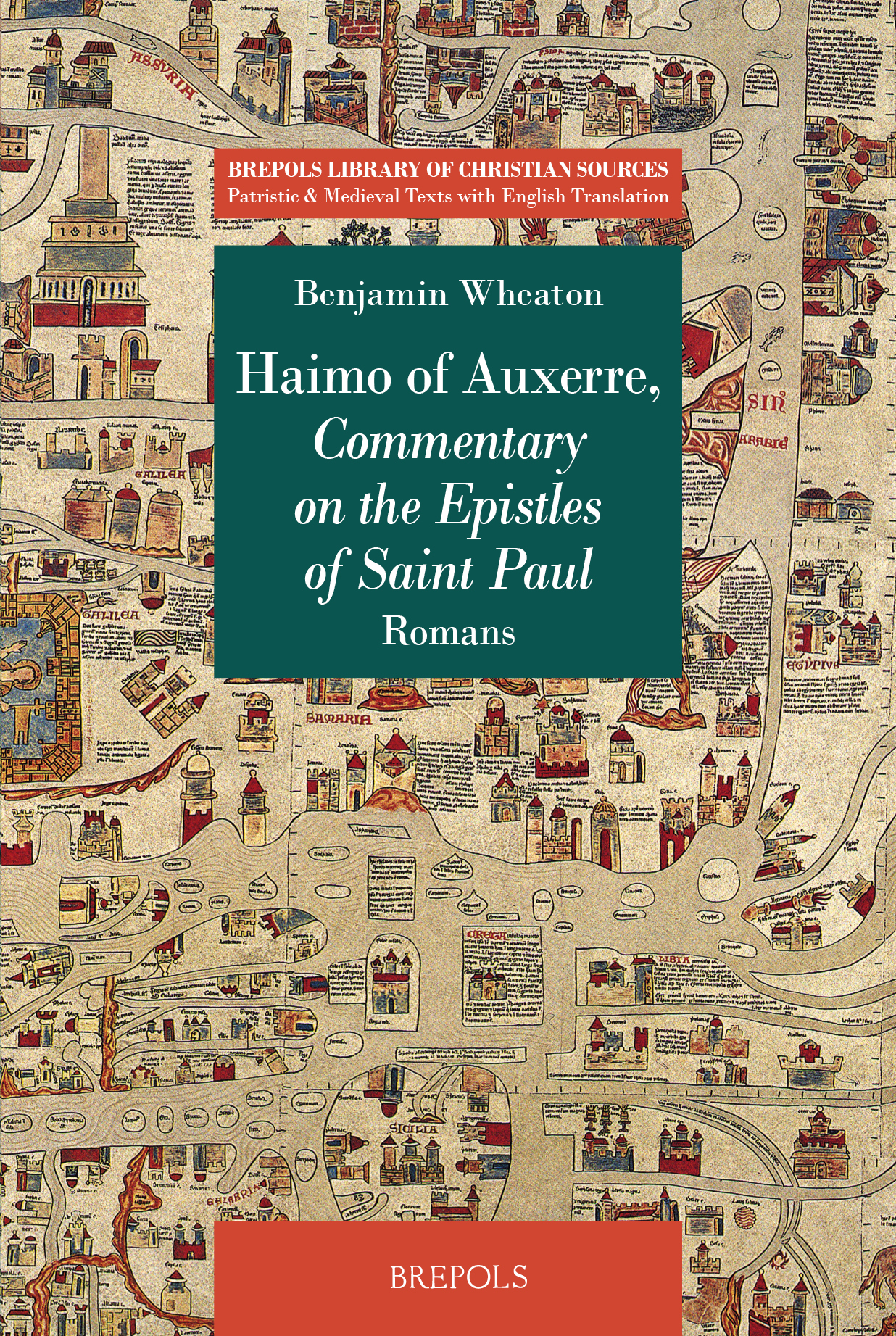


 Cyril of Alexandria’s Christological Exegesis
Explorations of Partitive Exegesis in the Dialogues on the Trinity
Volume 70


 Extracanonical Traditions and the Holy Land
Texts, Rituals, and Material Culture in Late Antique Palestine
 From Joseph to Jesus
The Joseph Narrative as a Compositional Template from Old Greek Esther to the Gospel of Luke
Volume 125


 Nicholas of Lyra’s Commentaries on the Gospels of Matthew and Luke
Franciscan Exegesis in a Time of Crisis

 Punning in Odd or Elegant Constructions in Jeremiah
The Convergence of Linguistics, Rhetoric, and Textuality in the Hebrew Text of Jeremiah


 Reformed Covenantal Eudaimonism
Wilhelmus à Brakel (1635–1711) on Highest Good, Virtue, and Law
Volume 87


 The Biblical Tale of Judah and Tamar in Fourteenth-Century Iran
A Judeo-Persian Versified Account by Shāhīn with Scholarly Edition, Annotated Translation and Persian Transliteration
Volume 94, 951
 The Body
Lived, Cultured, Adorned: Essays on Dress and the Body in the Bible and Ancient Near East in Honor of Nili S. Fox







 The Therapeutae as the Best Paradigm for the Contemplative Life
A Contextual Reading of Philo of Alexandria's De Vita Contemplativa
